

[Oldies] A collection of nostalgic hit songs from Western music of the 1950s


When you hear “Western music from the 1950s,” what kind of songs come to mind?
Hits from the 1950s and 1960s are sometimes called “oldies,” and perhaps because their retro vibe feels stylish, you’ll often hear them as in-store BGM at cafes and vintage clothing shops.
That said, since it’s music from 70 years ago, you might think it has nothing to do with you… For those who feel that way, this article rounds up and introduces classic 1950s Western songs across genres—rock, soul, blues, and more.
You’ll definitely come across some tunes you’ve heard before, so be sure to check them out!
- Back to those nostalgic days… Classic and hit Western songs of the 1960s
- [2026] Recommended for people in their 50s! A roundup of classic Western hits that always get the crowd going
- Top Western Music Rankings Popular with People in Their 60s (By Generation)
- Explore the innovative sounds and iconic songs that shaped the history of 60s bands
- Great Western rock classics and hit songs of the '60s
- [Nostalgic Collection] Classic oldies masterpieces. Recommended popular songs
- Recommended youth songs for people in their 80s: A collection of nostalgic classics
- Nostalgic Japanese hit songs from the 1960s. A collection of popular Showa-era classic melodies.
- Recommended Western music for men in their 60s: world classics and popular songs
- Recommended Summer Songs for People in Their 70s: A Collection of Nostalgic Summer Tunes [2026]
- Nostalgic Days of Youth: A Collection of Western Music Recommended for Men in Their 70s [2026]
- Youth-themed Western music. World classics and recommended popular songs.
- [1960s–80s] Nostalgic! A roundup of retro Western songs recommended for weddings
[Oldies] A Collection of Classic Western Hits from the Nostalgic 1950s (21–30)
Johnny B GoodeChuck Berry
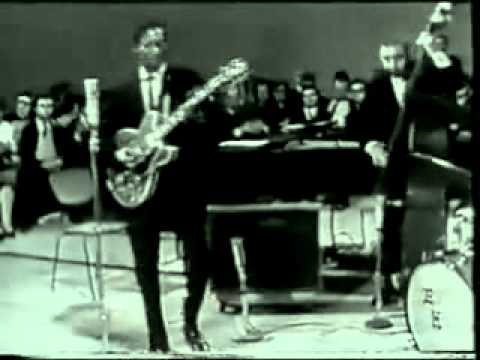
Chuck Berry’s 1958 release “Johnny B.
Goode” goes far beyond the bounds of a mere rock ’n’ roll song.
Lauded on Rolling Stone’s “500 Greatest Songs of All Time,” it’s a legendary track that profoundly influenced the music scene that followed.
It’s also globally famous for being the song the protagonist performs in the classic film Back to the Future.
With its irresistible guitar riff and rhythm, the number still feels strikingly fresh today.
The lyrics, which paint the landscapes of Louisiana and the vivid life of a country boy, empower anyone to freely chase their dreams.
The rock charisma Chuck Berry embodied continues to shine across generations.
Indeed, without this song, rock might look very different today.
Who’s Sorry NowConnie Francis

A mature love song that delicately depicts the pain of heartbreak was brilliantly revived by Connie Francis from the United States, breathing new life into a classic originally born in 1923.
Recorded at her father’s strong urging, this rendition tenderly wraps the betrayed lover’s complex emotions in a richly expressive vocal performance.
Released in November 1957, it reached No.
4 on the U.S.
Billboard chart in April 1958, and spent six consecutive weeks at No.
1 in the UK, becoming one of her signature songs.
Rearranged from a dance-hall waltz into 12/8 time, the track blends a relaxed tempo with an inner strength—perfect for soothing the ache of love.
For anyone striving to overcome the aftershocks of a broken heart, this warmly comforting song offers quiet companionship.
Heartbreak HotelElvis Presley

A milestone of 1956 that shines in music history, Elvis Presley’s “Heartbreak Hotel.” It was his first release on the RCA label and one of the most unforgettable blockbuster hits of his career.
Centered on the feelings of a man wandering on the brink of loneliness, the song spent an impressive seven weeks at the top of the U.S.
charts.
It was later inducted into the Grammy Hall of Fame and selected by Rolling Stone as one of the “500 Greatest Songs of All Time,” spreading its impact across the globe.
Elvis’s vocals, steeped in sorrow and desolation, continue to move listeners deeply.
An essential track when talking about ’50s oldies, it still resonates in today’s music scene without losing its luster.
Ooby DoobyRoy Orbison
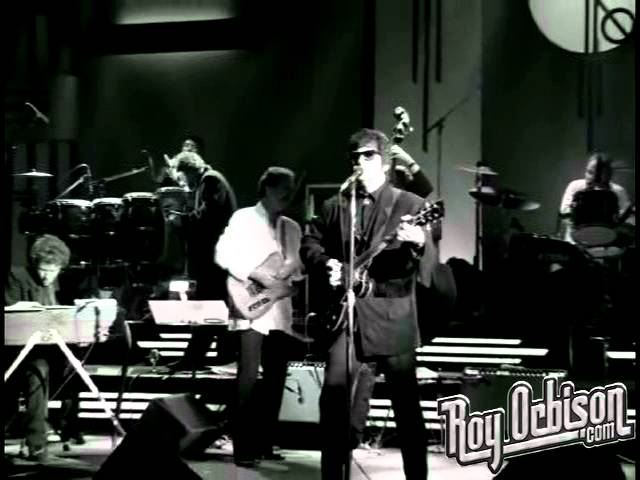
The artist who made a striking debut on the 1950s rock ’n’ roll scene was American musician Roy Orbison.
Blending rockabilly with rock ’n’ roll, the song features a buoyant rhythm, powerful vocals, and a memorable guitar solo that come together in perfect harmony.
Reportedly written in just 15 minutes, it brilliantly captures the joy of dance and music, vividly portraying lovers moving to the beat.
Released by Sun Records in 1956, it reached No.
59 on the Billboard chart and sold around 200,000 copies.
In 1987, it was performed live alongside Bruce Springsteen and Elvis Costello, proving its cross-generational appeal.
With its bright, open atmosphere, this track is an ideal pick-me-up and a perfect BGM choice for parties.
You Send MeSam Cooke
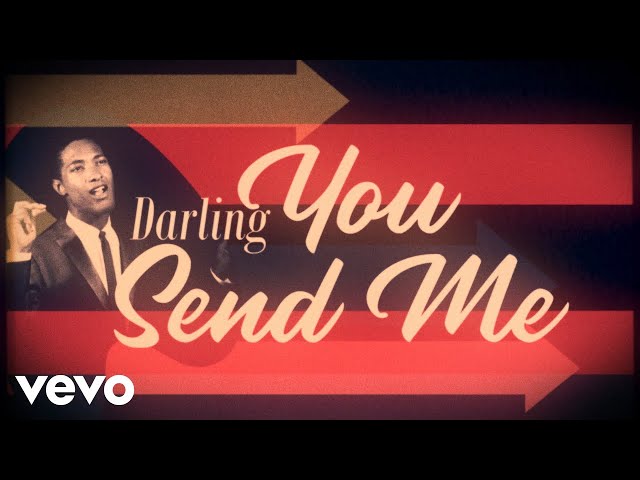
A gem of a love song that deserves to be called a towering monument of soul music, its sweet, angelic tenor vocals sink deep into the heart.
Released in September 1957 as the solo debut of American singer Sam Cooke, the song became a smash hit, topping both the R&B and Pop categories on the Billboard charts at the time.
The lyrics gently trace the emotional arc from the thrill of falling in love to the vow of eternal devotion, perfectly matched by Cooke’s smooth, expressive singing.
Featured in films such as American Pop and Sweet Dreams (starring Jessica Lange), it remains a timeless ode to love that continues to resonate with anyone who has ever been in love.
All I Have To Do Is DreamEverly Brothers

With its dreamy, luscious melody and harmonies that evoke a sense of nostalgia, the Everly Brothers’ 1958 classic “All I Have to Do Is Dream” still resonates today.
The fact that artists from every era continue to cover it in various interpretations attests to the song’s universal appeal.
Selected for Rolling Stone’s “500 Greatest Songs of All Time,” it stands as a quintessential sound of the 1950s that lives on in the present.
Loved across genres—from rock to soul to blues—this song is sure to draw you into the charm of oldies the moment you listen.
April LovePat Boone

A gem of a love song that dramatically celebrates the joy of a new romance blossoming with the arrival of spring.
Released in September 1957 by American singer Pat Boone as a movie theme song, it became a massive hit, spending six consecutive weeks at number one on the Billboard charts.
Boone’s gentle, clear vocals blend beautifully with Billy Vaughn’s elegant, jazz-tinged arrangement, creating a warm atmosphere that tenderly envelops the pure feelings of young love.
The song also colored memorable scenes in the film April Love, in which Boone starred, and the film was nominated for Best Picture at the Academy Awards the following year.
It’s a romantic ballad perfect for a tranquil spring afternoon, to be savored in the comfort of soft sunlight.