

People who listen to music while consciously thinking “What time signature is this?” are most likely those with experience playing instruments.
That said, even without any knowledge of music theory, everyone has probably had at least one or two moments when a song just felt hard to catch the rhythm of.
That song might be using an irregular time signature.
So this time, I’d like to introduce songs in 5/4 time—a meter you don’t often encounter—across various genres, and compare it with commonly used meters in popular music such as 4/4, the waltz’s 3/4, and 6/8 (often called “hachi-roku” in Japanese).
You might even discover that a song you love actually uses 5/4 time!
If you’re interested in the world of odd meters, read on!
- The Appeal of Odd Time Signatures: A Compilation of Songs That Use 7/4 Time
- Addictive Anime Songs That Use Irregular Time Signatures
- Enthralling odd meters: mysterious music with odd time signatures and complex rhythms
- Masterpieces in 3/4 Time: That Hit Song Too!? A Curated Selection of Popular Japanese and Western Tracks
- [Rhythm] A roundup of popular Japanese songs that use 16-beat [2026]
- [Classic and Contemporary Hits] Emotionally Stirring, Heart-Touching Songs
- [Composition] A roundup of famous songs that use classic chord progressions [by ear]
- [Rhythm Play] A roundup of popular cup songs
- Songs that use the Canon progression that I want to try playing on the piano
- [Easy to Remember] A Collection of Cool Dances Recommended for Girls
- [Childcare] A collection of recommended melodica (pianica) songs for 4-year-olds
- [April 2026] Trending songs: A roundup of the hottest, viral tracks right now
- [Flower News] A Collection of Hiroshi Takeshima’s Easy-to-Sing Songs [2026]
The Appeal of Odd Time Signatures: A Collection of Songs in 5/4 Time (1–10)
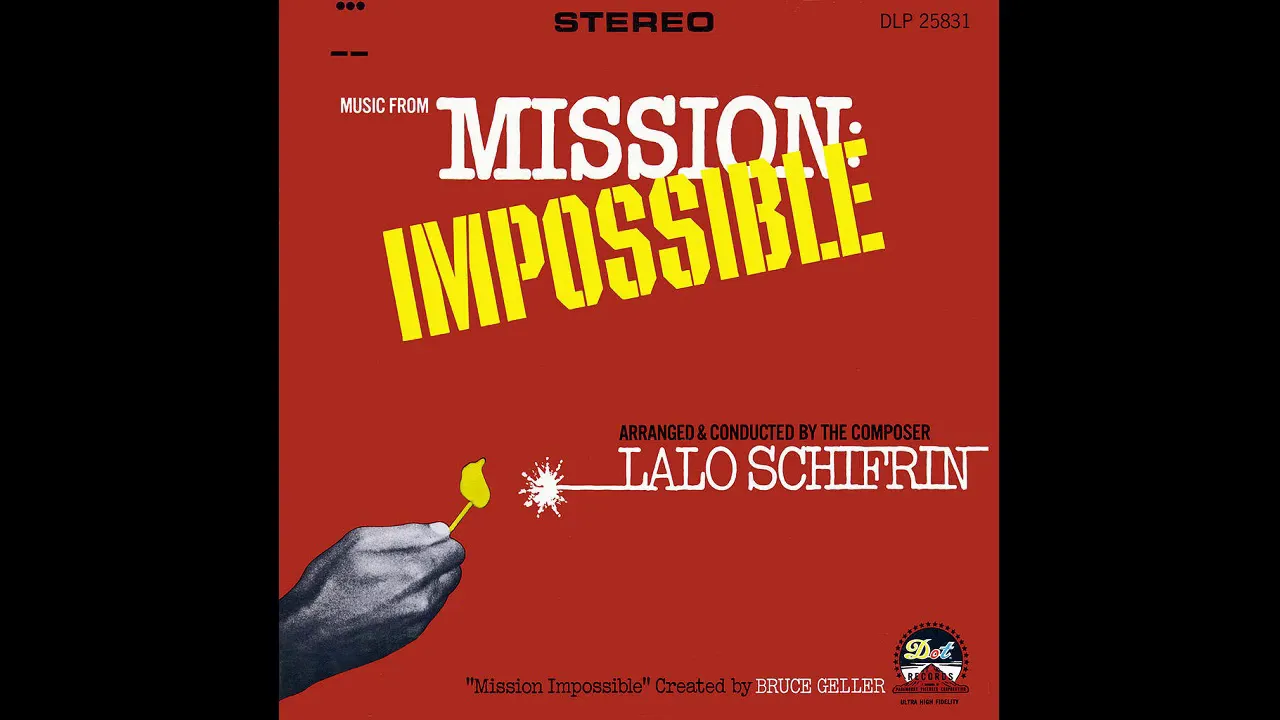
Mission Impossible ThemeLalo Schifrin

Lalo Schifrin, an Argentine-born composer who has also been active as a jazz pianist and conductor, has created music for numerous films and television series.
The piece originally written as the theme for the TV drama Mission: Impossible—the Mission Impossible Theme—is surely something everyone has heard at least once.
Its arrangement, developed throughout in 5/4 time, brilliantly creates a mysterious atmosphere that matches the world of the work.
With its catchy yet enigmatic melody, this masterpiece showcases the allure of irregular meter.

tolerate itTaylor Swift

Singer-songwriter Taylor Swift, who is also known for winning 12 Grammy Awards.
The track “tolerate it,” included on her ninth album evermore, is an impressive number featuring an ensemble built around a piano timbre that evokes a sense of melancholy.
Its relaxed 5/4 arrangement enhances the beautiful melody and the transparent, airy sound.
It’s a ballad with a pleasant sense of weightlessness that draws you into its depth.
Take FiveDave Brubeck
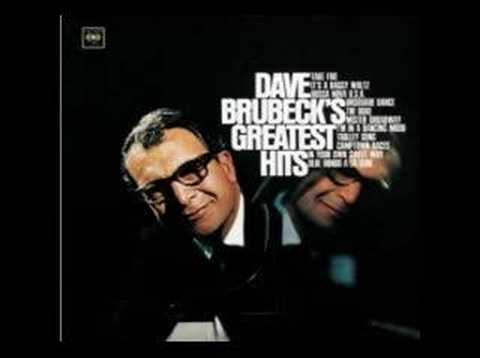
This piece adopts an unconventional 5/4 rhythm and opened up new horizons in jazz.
Released in December 1959, it became a major hit and the first in jazz history to sell over one million copies.
Dave Brubeck’s innovative approach offers listeners a fresh musical experience.
The steady yet curiously familiar beat intertwined with a soaring melody seems to capture the very essence of music in motion.
It’s a must-listen not only for jazz fans but also for anyone who wants to revel in the fascination of rhythm.
A Taxing WomanHonda Toshiyuki

Toshiyuki Honda, a music producer who is also active as a jazz saxophonist and composer, is the son of Toshio Honda, a music critic and jazz musician.
The theme song for the 1987 film A Taxing Woman was created by Toshiyuki Honda, who handled the score.
Built throughout on a 5/4 beat, its recurring ensemble figures riding on top create a striking impact.
The wistful melody further accentuates the complex rhythms, making it a track that colors the film’s atmosphere.
Never EndSIAM SHADE

Starting with an intro in 5/4 time, this piece immediately captures the listener’s ear.
The lyrics, imbued with a desire to cherish a relationship with a loved one despite daily stress and hardship, resonate deeply.
Released in October 1998 as SIAM SHADE’s ninth single, it was used as the opening theme for the TBS TV program “Rank Kingdom.” With total sales of approximately 82,000 copies and inclusion in a fan-voted best-of album, its popularity is evident.
Highly recommended for those interested in odd time signatures or looking to rediscover the appeal of rock bands.
Mars, from The Planets (suite)Gustav Holst

Known as a masterpiece of classical music, this piece offers new discoveries every time you listen.
The tension created by its unconventional 5/4 meter brilliantly conveys the terror of war.
Composed between 1914 and 1916, the work bears a strong imprint of World War I.
The powerful percussion and brass sonorities evoke an imminent threat.
Since its premiere in September 1918, it has captured the hearts of many.
It’s a highly recommended piece for anyone who wishes to reflect on the importance of peace through music.
Halloween ThemeJohn Carpenter
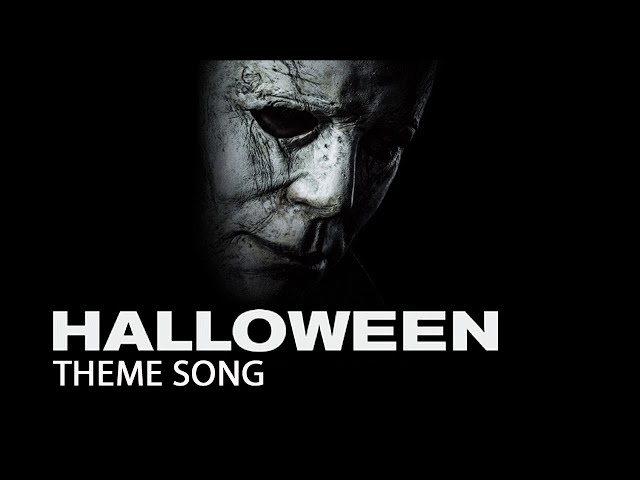
Here is a striking piece that stands out in the history of horror films.
Composed by John Carpenter himself, it was created in 1978 as the soundtrack for the film Halloween.
Famously written in just one hour, the piece employs an unusual 5/4 time signature and makes skillful use of synthesizers.
The piano’s repeating motif builds an unsettling atmosphere, brilliantly capturing the film’s sense of dread.
In October 2018, a 40th-anniversary soundtrack was released, and the piece continues to be beloved by many.
It’s a highly recommended track for anyone interested in the allure of film music.