

Still packed with timeless classics! A roundup of 1970s Japanese graduation songs


As graduation season approaches, do you ever find yourself wanting to listen to old songs for some reason? Japanese music from the 1970s is full of classics about partings and new beginnings.
Chats with friends, tender first loves, and the mix of excitement and anxiety about the road ahead—songs from that era delicately weave together the complex emotions of youth.
In this article, we’re introducing 70s tracks perfect for graduation season.
We’ve picked a wide range, from songs directly about graduation to pieces that evoke the coming of spring and the brilliance of youth.
Let the nostalgic melodies wash over you as you gently trace back your memories of those days.
- [80s Graduation Songs] Nostalgic Classics & Hits That Have Become Standards
- [Showa-Era Graduation Songs] Nostalgic? Emotive? A curated selection of timeless classics loved across generations
- [Recommended for people in their 70s] Classic nostalgic hits: A collection of youth songs
- [Graduation Songs] Choral pieces perfect for singing at elementary school graduation ceremonies: A collection of moving classics
- [2026 Edition] Songs Loved by People in Their 60s: Classic Hits from Their Youth
- A collection of nostalgic hit songs and classics from the 70s
- [2026] A Collection of Memorable Graduation Songs from the 40s [Japanese Music]
- [Great Lyrics!!] Recommended Tear-Jerking Graduation Songs with Heartfelt, Moving Words [2026]
- [1970s] Collection of Japanese hit songs. Nostalgic masterpieces of Japan
- Heart-touching, tear-jerking masterpieces from the Showa era
- Thank you, Teacher: A Song of Gratitude for Teachers and Mentors — An Emotional Farewell Song for the Journey Ahead
- [For Seniors] Recommended Spring Songs for People in Their 70s: A Collection of Nostalgic Spring Tunes
- [2026] A Collection of Youthful Songs to Play at Graduation Ceremonies [J-POP]
Still packed with timeless classics! A roundup of 1970s Japanese graduation songs (51–60)
era; age; time; periodNakajima Miyuki

Released in 1975, this is a huge hit by Miyuki Nakajima, Japan’s original diva, and a timeless classic that is still sung today.
It appears in music textbooks and was also selected for the “100 Best Japanese Songs.” Its lyric—“In times of hardship or joy, every era will someday become a fond memory”—is an eternal message that will never fade.
Many artists who share this sentiment, including Keisuke Kuwata and Hiroko Yakushimaru, have covered the song.
It’s a track you’ll want to listen to as you graduate—from school, or even from a company or workplace—while holding many feelings in your heart.
You Are the One Who Rings That BellWada Akiko

Akiko Wada’s “Ano Kane wo Narasu no wa Anata” is an immortal classic that colors the farewells of graduation.
Released in 1972, the song won the Best Vocal Performance at that year’s Japan Record Awards.
Its timeless vocal power and strong message continue to resonate with many people.
It has been covered by numerous popular artists, and even decades after its release, it remains beloved across generations.
The reason it continues to be sung is likely because Akiko Wada powerfully expresses the emotions of parting and new departures—experiences shared by everyone.
Et ceteraŌba Kumiko

Drawing from her experience overcoming panic disorder, singer Kumiko Ōba now also works as a psychological counselor.
Her EP Etcetera, released on June 5, 1978, lifts your spirits with its striking guitar riff intro and an ensemble featuring a brass section.
The lyrics evoke the feeling of being unable to take that first step toward someone you like, hinting that a graduation ceremony might become an even more special day.
It’s a catchy pop tune whose funky arrangement still sounds fresh today.

Hand-knitted giftOkada Nana

“A Hand-Knitted Present,” released in 1976.
This song has long been cherished as one of Nana Okada’s signature works and is highly acclaimed as a masterpiece in the history of Japanese popular music.
With lyrics that, though simple, evoke deep emotion, and Nana Okada’s clear, translucent voice, it is a piece that profoundly resonates with listeners.
Still full of timeless classics! A roundup of Japanese graduation songs from the ’70s (61–70)
Adolescence (with an autumnal/reflective nuance)Iwasaki Hiromi

It’s a heart-wrenching ballad that makes you inevitably recall your school-days romances.
It’s sung by Hiromi Iwasaki, who was active on the idol scene in the 1970s.
Released in 1977 as her 11th single, it earned her the Vocal Performance Award at that year’s Japan Record Awards.
Iwasaki’s soaring, velvety voice is truly wonderful.
The lyrics, which reflect on the things you only realize once they’ve passed, make you nod along in recognition.
It will especially resonate with anyone who went into their graduation ceremony carrying the weight of romantic regrets.

My friend, don’t cry.Morita Kensaku

It was the theme song for the youth drama “Ore wa Otoko da!” which aired from 1971 to 1972.
Along with “Saraba Namida to Iou,” Kensaku Morita’s refreshing charm gained popularity, and the song became a hit.
Morita’s track “Tomodachi yo Naku n ja Nai” (“My Friend, Don’t Cry”) is an iconic piece that symbolizes the youth drama culture of 1970s Japan.
It is known as a heartwarming message song that stands by the worries and hardships of young people and offers words of encouragement.
A café in a student districtGaro
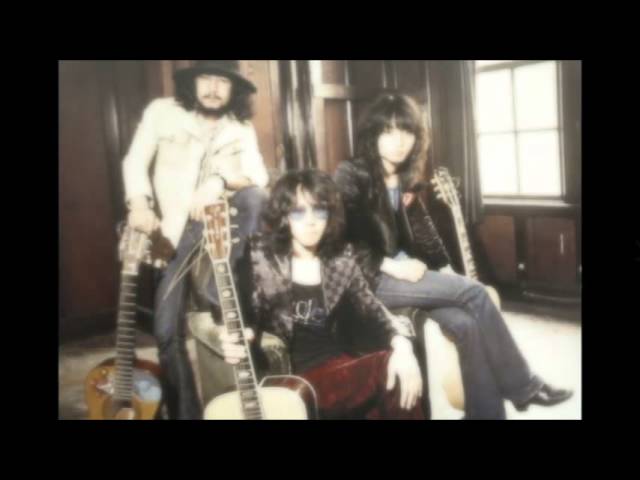
This song might remind you of a lover you parted with at graduation.
It’s one of the signature tracks by Garo, a folk rock band sometimes called the Japanese CSN&Y, released in 1972.
It became a huge hit after being played on cable broadcasts and radio.
The relaxed rhythm and beautiful choral work are striking, and the softly murmured vocals carry a sense of melancholy.
Feelings we couldn’t understand when we were young… It makes you wish for a love with no regrets.