

[Golden Age of Rock] Debut Songs by Western Rock Bands of the 1970s

The rock scene of the ’70s was a golden era in which guitar riffs and psychedelic sounds evolved, vastly expanding the possibilities of music.
It was a tumultuous time that saw the birth of new genres one after another, including hard rock, progressive rock, and glam rock.
So, with what debut tracks did the bands that etched their names into the world’s rock history in that brilliant decade take their first steps? Here, we present a selection of debut songs that fired up rock fans of the time and remain as vibrant as ever today.
- The 1970s were the golden age of Western rock! Recommended classics and hit songs
- 1980s: Legendary Western Rock Bands’ Classic and Hit Songs
- [A Collection of Classics] Nostalgic 70s Western Hit Songs
- [Recommended for people in their 70s] Classic nostalgic hits: A collection of youth songs
- Dawn of Japanese Rock: A Collection of Debut Songs by 1970s Japanese Rock Bands
- [Western Music] A roundup of debut songs by female artists from the 1970s
- The allure of 70s glam rock! A host of masterpieces that colored a dazzling chapter of music history
- A roundup of debut songs by Western bands that lit up the 2000s
- A collection of nostalgic hit songs and classics from the 70s
- Debut songs by Western rock bands from the 2000s
- [80s Western Music] A roundup of debut songs by girl bands
- [80s Western Music] Debut Songs by Male Artists
- Classic and hit Western pop songs from the 1970s
[Golden Age of Rock] Debut Songs by 1970s Western Rock Bands (1–10)
Can’t Get EnoughBad Company

Bad Company, the standard-bearers of British hard rock, brought together members from popular bands like Free and Mott the Hoople.
Released in 1974, this song—both their debut single and the opening track of their self-titled debut album, Bad Company—is a true classic and one of their signature numbers.
Its thunderous guitar riff born from open-C tuning, paired with Paul Rodgers’s husky, powerful vocals, is the very definition of a straight-ahead rock anthem.
The track lays bare uncontrollable feelings for a loved one with striking simplicity—and that’s exactly what makes it resonate.
The album hit No.
1 on the U.S.
charts, and the single was a massive success as well.
It’s no surprise it remains a radio staple to this day.
Highly recommended for your next drive.
Cities on Flame with Rock and RollBlue Öyster Cult

Blue Öyster Cult carved out a unique niche by bringing intellectual, allegorical lyrics to hard rock—earning a reputation as “thoughtful heavy metal.” The track that marked their first step into rock history appears on their 1972 debut album, Blue Öyster Cult, and was also released as their debut single.
From the outset, the pummeling heavy guitar riff leaves an unforgettable impact.
In the lyrics, an apocalyptic vision of a city engulfed in flames is portrayed as the very embodiment of rock ’n’ roll’s destructive energy.
It suggests a grand theme: a declaration of music’s power to burn away the old world and usher in a new era.
The fact that this demo secured them a deal with a major record label speaks to the song’s immense potential.
Later featured in the video game Guitar Hero III: Legends of Rock, it’s a perfect pick when you want to feel the raw, nerve-tingling tension of ’70s hard rock.
Oh, CandyCheap Trick
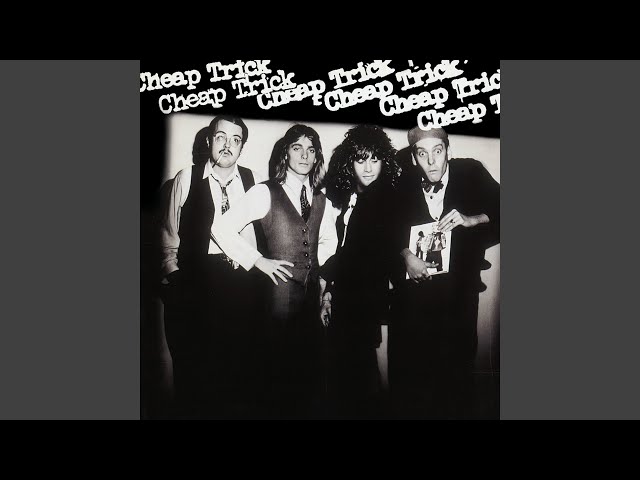
Often hailed as the originators of power pop and a major influence on countless later bands, Cheap Trick really set the tone.
Their very first single, included on their 1977 debut album Cheap Trick, is a surprisingly profound track.
The sound blends exhilarating guitar riffs with irresistibly catchy melodies—a quintessential example of power pop in rock form.
Yet the song’s theme is a tribute to a deceased friend, and it’s precisely this contrast with its upbeat tone that showcases their exceptional talent.
There’s even a record noting that this debut effort performed roughly at the equivalent of No.
207 on the U.S.
charts.
It’s a classic with a curious charm—one that not only lifts your spirits, but also reaches out to a heart weighed down by an overwhelming sense of loss.
[Golden Age of Rock] Debut Songs by 1970s Western Rock Bands (11–20)
Need All My FriendsLynyrd Skynyrd

Lynyrd Skynyrd, the iconic standard-bearers of Southern rock with roots in blues and country, were inducted into the Rock and Roll Hall of Fame in 2006.
Unlike their later, wilder image, this track is strikingly delicate and melodic, and it really resonates.
The pure, earnest longing for companionship comes through directly in the emotional vocals of a young Ronnie Van Zant.
Recorded in May 1969, only about 300 copies were pressed at the time, making it a rare release that was later included on the compilation album Collectybles.
Rough around the edges yet filled with a wistful mood that hints at the masterpieces to come, this song is perfect for when you want to reconnect with the band’s roots.
Man on the Silver MountainRainbow
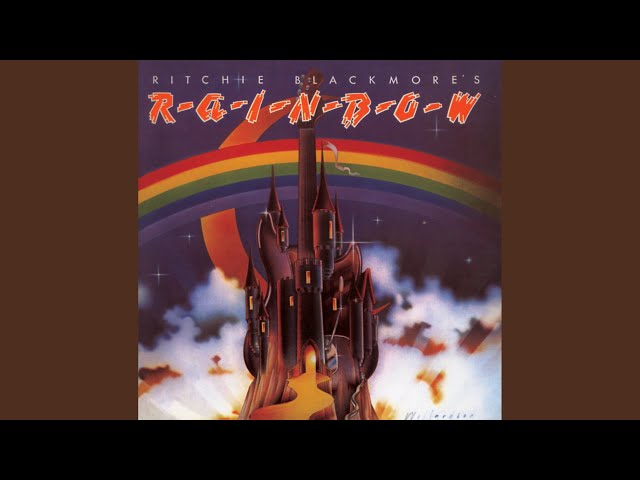
Rainbow, the new band formed by guitarist Ritchie Blackmore after leaving Deep Purple.
This debut single from their 1975 release, the debut album Ritchie Blackmore’s Rainbow, is a true statement of intent for the band.
Blackmore’s sharp, heavy guitar riffs fuse with Ronnie James Dio’s powerful, expressive vocals to deliver an overwhelming impact.
The lyrics paint a grand fantasy world centered on a heroic figure to whom people turn for salvation—an approach that arguably defined the band’s future musical direction.
The fact that it’s the most frequently performed song in the band’s live history attests to its immense popularity among fans.
It’s a perfect track for when you want to experience the essence of 1970s hard rock, brimming with dramatic, classical flair.
Virginia PlainRoxy Music

Roxy Music fused art and fashion at a high level, shocking the rock scene of the 1970s.
Their debut track captivates with a groundbreaking song structure that overturns convention.
There’s no clear chorus; instead, oboe and synthesizer create a futuristic soundscape, while the lyrics depict a fictional, glittering scene influenced by pop art.
It feels as if the protagonist is peeking into the everyday life of the celebrities they dream about.
Released as a debut single in August 1972, the song reached No.
4 on the UK charts.
Interestingly, it was initially left off the album Roxy Music.
It was memorably used in the 1998 film Velvet Goldmine, and there’s even the quirky anecdote that it became the name of an airline’s aircraft.
Why not give it a listen on a night when you want to immerse yourself in a glamorous, avant-garde world?
Love → Building on FireTalking Heads

This is the landmark debut single by Talking Heads, the intellectual face of New York’s ’70s new wave.
Its thrilling world conjures the impulse of love as an act akin to entering a “burning building,” which is truly compelling.
Hearing David Byrne’s nervy vocals and the band’s still rough-hewn yet tightly wound sound, you can’t help but sense the emergence of their extraordinary talent.
Released in February 1977, the track initially didn’t belong to any studio album, but it can later be heard on compilations such as Sand in the Vaseline: Popular Favorites.
It’s a song for when you want to step just a little outside the everyday, letting you glimpse the origins of their artful sensibility.