

[J-Pop] A Collection of Soothing 90s J-POP Hits

The J-pop of the 1990s, an era that churned out million-selling hits one after another, also gave birth to many timeless classics that are still sung today in the 2020s.
Our site features many articles focused on ’90s Japanese music, and in this article we’ve curated hit songs from the ’90s around the theme of “healing”—perfect for when you’re tired or want to calm your mind.
Of course, what feels healing naturally varies from listener to listener, but this time we’ve selected songs—lyrics included—that make you breathe a sigh of relief and sometimes stir a sense of nostalgia.
Please enjoy these ’90s gems, perfect for a lazy, plan-free afternoon or as company on a quiet night alone!
- Iconic ballads of 90s J-pop: nostalgic mega-hits and fan favorites
- Hidden gems of healing songs. Recommended popular tracks
- [Hit Songs of the 1990s] The Best Uplifting J-Pop Hits!
- Just listening to it purifies the heart... A healing song born in the Showa era.
- Tear-jerking J-pop from the ’90s. Hit songs and real tearjerkers.
- Songs that heal a tired heart. A collection of timeless tracks that bring peace to the soul.
- Karaoke songs that were hits in the ’90s. Classic and popular tracks from Japanese music.
- A gentle song. A classic that calms the heart. A song that makes you feel kind.
- Relaxing songs recommended for women
- A soothing song. A heart-calming tune you’ll want to listen to when you’re tired or feeling down.
- Spring songs that were hits in the 90s. Classic and popular tracks from Japanese music.
- [Relax] A curated list of Japanese songs recommended for when you want to fall asleep quickly
- It cleanses the soul… Great J-pop songs recommended for the yutori generation
[Japanese Music] A Collection of Soothing 90s J-POP Hits (11–20)
for a long timeKiroro

Known for its heartwarming melody and relatable lyrics, this Kiroro song was their major-label debut single, released by Victor Entertainment in January 1998.
It gently expresses the bittersweet feelings of longing for a distant loved one and the joy of being able to spend time together, resonating deeply with many listeners.
Despite having no commercial tie-ins, it gradually gained recognition nationwide and became a million-selling hit.
It has since been covered by various artists and remains beloved to this day.
It’s the kind of soothing 1990s J-pop you’ll want to listen to when you need to heal a tired heart or when you’re thinking of someone special.
I miss youBEGIN

A melody that evokes the breeze of Okinawa woven together with heartrending lyrics—this is a quintessential classic of the ’90s.
Released on March 21, 1990 as BEGIN’s debut single, it reached No.
4 on the Oricon chart.
It was also featured in a Nissan commercial, gaining support across a wide audience.
While rooted in the nature and culture of Okinawa, the lyrics express universal feelings of love that resonate with many.
It’s truly a healing J-pop masterpiece—perfect for soothing a tired heart or for quiet moments spent alone at night.
Because I Want to See You ~Missing You~Matsuda Seiko

Released in April 1996, this song became Seiko Matsuda’s first million-seller and is known as one of her signature tracks.
Written and composed by Matsuda herself, it’s a poignant, beautiful ballad that portrays deep feelings for a former lover and a longing to reunite.
The lyrics, which convey both the loneliness of parting and the enduring depth of love, move the hearts of listeners.
Showcasing Matsuda’s delicate emotional expression, the song has continued to be beloved by many, including three performances on NHK’s Kōhaku Uta Gassen.
It’s a perfect piece for soothing a tired heart or for spending a quiet night alone when you want to find calm.
Like a white cloudsaruganseki
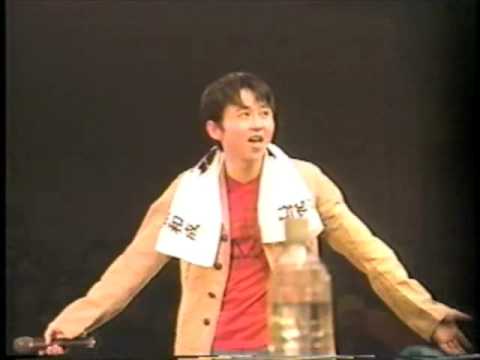
The music of Saruganseki, which brightly colored the music scene of the ’90s, evokes a refreshing feeling like white clouds floating in a blue sky.
Their debut single, released in 1996, is a gem crafted by an all-star production team including Fumiya Fujii and Yasushi Akimoto.
The lyrics’ blend of anticipation and anxiety about setting off, along with hope for the future, resonates gently as if to stay close to the listener’s heart.
Born from their appearance on the TV show “Susume! Denpa Shonen,” the song became a massive hit, selling over a million copies.
It’s a quintessential soothing J-pop track of the ’90s—one to play when you want to heal a tired heart or take a new step forward.
rainMoritaka Chisato

A song that delicately portrays emotions amid silence resonates with many listeners.
Released in 1990, this work strongly reflects Chisato Moritaka’s unique perspective and sensibility.
Included on the album “Kokon Tozai,” it is considered one of the defining pieces of her musical career.
Through the melancholy brought by rain, the lyrics express the pain and loneliness of heartbreak, while also conveying a determination to grow through those emotions.
It’s a track you’ll want to listen to in a calm atmosphere—when you want to soothe a tired heart or spend a quiet night alone.
Coupled with Moritaka’s visuals, it becomes a captivating song that evokes 1990s nostalgia.
Beyond the Night SkySMAP

A quintessential song of 1990s J-pop and an iconic anthem for SMAP.
Released in 1998, it debuted at No.
1 on the Oricon weekly singles chart and achieved million-seller status in its third week, enjoying explosive popularity.
Its gentle melody and heartfelt lyrics soothe and encourage listeners.
While reflecting on the past, the lyrics also paint a hopeful vision of the future, resonating with those standing at a crossroads in life.
It’s recommended when you want to heal a tired heart or find the courage to move forward.
It will surely leave you with a warm feeling.
[J-Pop] A Compilation of Soothing 1990s Hits (21–30)
Surely more than anyone else in the worldNagayama Miho & WANDS

This is a legendary duet song by Miho Nakayama & WANDS, also known as the theme song of a drama that became a major hit starring Miho Nakayama.
Produced by Being and composed by Tetsuro Oda, it was created by a lineup that epitomized the 1990s music scene.
The earnest lyrics about believing in a fateful reunion are deeply moving.
Many listeners were surely captivated by the interplay between Miho Nakayama’s clear, crystalline vocals and WANDS’ Sho Uesugi’s passionate singing.
The chorus, where their voices intertwine, brims with the exhilaration of a miraculous moment.
It’s a timeless, gem-like love song.