

Songs to listen to when your heart is tired: Showa-era masterpieces that gently accompany the hearts of people in their 60s

As we go about our days, do you ever find your mood sinking for no particular reason? The longer the life we’ve lived, the more complex the feelings we carry can become.
We’ve gathered songs with warm melodies and lyrics to accompany those searching for “music to listen to when the heart is tired.” From nostalgic tunes you heard in your youth to hidden gems that resonate especially deeply now, we introduce music that touches the heart across generations.
Why not surrender yourself to gentle voices that give you a soft nudge forward, and spend a little time taking a peaceful breath?
Songs to listen to when your heart is tired: Showa-era masterpieces that gently comfort hearts in their 60s (1–10)
Cheer up!Takeuchi Mariya

A warm signature number by Mariya Takeuchi that has gently accompanied many hearts.
Originally written for Hiroko Yakushimaru, it was self-covered on the classic album “REQUEST,” released in August 1987, and then issued as a single in November 1988.
In 2021, it was also featured in a commercial starring Yui Aragaki, continuing to be loved across generations.
Rather than forcing a strained positivity on those experiencing heartbreak or loss, its gentle message quietly stays close and encourages healing, resonating deeply.
When you reach a turning point in life or find your heart a little weary, please take your time and listen—this song feels like a protective charm that softly gives you a push forward.
In the Great Sky and on the Vast EarthMatsuyama Chiharu

For those who are looking for a work that gently gives you a push when your heart feels weary, this may be the one.
This song by Chiharu Matsuyama is a classic included on the album “Kimi no Tame ni Tsukutta Uta,” released in June 1977.
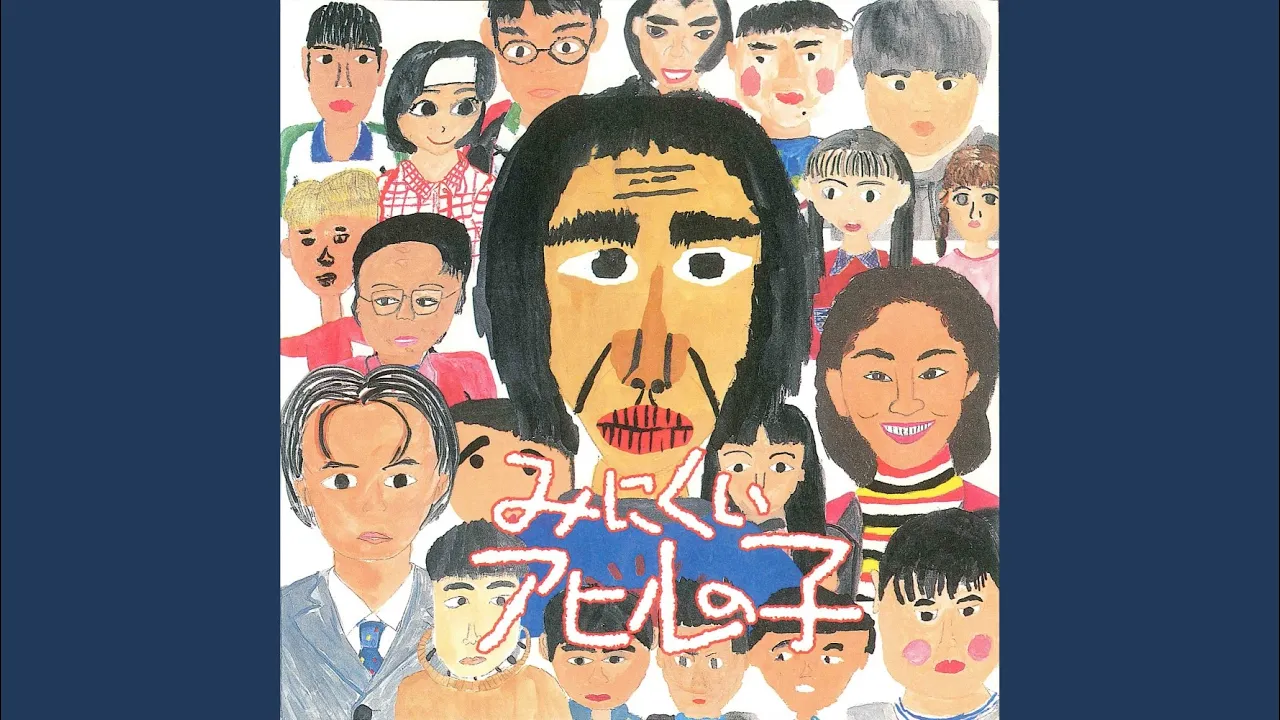
It’s a familiar tune that was also featured on the soundtrack related to the drama “The Ugly Duckling” and used in a Seicomart milk commercial.
The lyrics express a resolve to seize happiness with one’s own hands amid vast nature, softly resonating with those struggling against life’s headwinds.
There’s even a well-known episode in which the artist sang it onboard a plane to encourage passengers during a delay.
It’s a number you’ll want to play when you need to take a breather.
era; age; time; periodNakajima Miyuki

This is Miyuki Nakajima’s second single, released in December 1975.
Within its calm, narrative delivery, layers of life’s many scenes—parting, loss, and new encounters—overlap, giving it a warmth like a vessel into which listeners can easily pour their own memories and emotions.
Winning the Grand Prix at the 6th World Popular Song Festival held the same year, the song quickly boosted her recognition, and it has continued to be loved across media—for example, it was chosen as the theme song for the film “Memories: You Will Not Be Forgotten,” released in January 2020.
On days when your spirits sink for no particular reason, why not surrender yourself to its gentle melody that feels like a soft push on your back? It’s a song that will stay close when your heart is tired—like a protective charm.
It’s a sad color, isn’t it?Ueda Masaki

Masaki Ueda, a soul singer from Kyoto.
His husky, deeply emotive, and overwhelming vocals stand out with a singular presence in the history of Japanese popular music.
His biggest hit representing his solo era is the single “Kanashii Iro Yane – OSAKA BAY BLUES,” released in October 1982.
Jinsei Tsuji’s poignant, female-perspective lyrics woven in Kansai dialect blend beautifully with Tetsuji Hayashi’s urbane, sophisticated melody.
The song gradually gained popularity through cable radio, and in 1988 it was chosen as the theme song for a film of the same name.
Portraying urban melancholy and the subtleties between men and women, this masterpiece carries a warmth that gently stays by your side on nights when your heart feels a little tired.
Go for it!Nakajima Miyuki

This is a work that carries a warmth that gently gives you a push when you’re burdened with heavy weights on your heart.
Sung by Miyuki Nakajima, the song is a powerful yet earnest anthem for those who keep facing forward while living with unreasonable realities and loneliness.
After being included as the 7-minute-03-second final track on the classic album “Yokan,” released in March 1983, it was re-released as a double A-side single in May 1994.
It has continued to be embraced by many, featured in numerous advertisements—beginning with a 1994 Sumitomo Life commercial, then CalorieMate in 2012, UNIQLO in 2020—and in the 2017 drama “Yasuragi no Sato.” It’s a song to listen to quietly when you’re exhausted by days that don’t go as planned and you need the courage to face yourself.
I look up as I walkSakamoto Kyu

This work, which depicts a scene of walking while looking up at the sky even amid sorrow, is a warm song infused with hope that faces forward even in loneliness.
Kyu Sakamoto’s gentle, embracing voice resonates deeply in the heart, doesn’t it? Released as a single in October 1961, it became widely beloved after being featured in a segment of a popular television program.
The following year, a film with the same title was also released.
Furthermore, in 1963 it topped the U.S.
charts, becoming a worldwide hit.
Don’t we all sometimes feel our spirits sink as we go about our days? This is the kind of music that softly and kindly stays by your side when your heart is tired.
Listen to it slowly while gazing up at the starry sky, and take a deep, relaxing breath.
Goodbye to sorrowanzenchitai

The band Anzenchitai has produced numerous hit numbers.
This work, their ninth single released in 1985, is a warm pop ballad born from the collaboration between lyricist Goro Matsui and Koji Tamaki.
It was also featured in a commercial for Kirin Beer’s Aki Aji and won the Gold Prize at the 27th Japan Record Awards, making it a song that symbolizes its era.
Its plain, gentle word choices and Koji Tamaki’s embracing vocals slowly seep into the heart.
With a universal message that stays close to sorrow and gives a gentle push forward, it offers comfort to listeners in a variety of situations beyond just romance.
It’s an eternal standard number to savor on nights when you feel a touch of loneliness or want to take a quiet breather.