

Karaoke songs that were hits in the ’90s. Classic and popular tracks from Japanese music.

Don’t you ever feel overwhelmed at karaoke with so many songs to choose from? That’s when this handy collection of popular karaoke songs comes in! It’s especially recommended for those who were students in the 1990s.
Oh, and of course, since we’re featuring hit songs, everyone else should enjoy it too!
- [Heisei Retro] Hit Japanese songs that defined the 1990s. Recommended J-POP classics.
- Popular 80s hits for karaoke. Sing kayōkyoku and pop songs!
- 2000s: A Collection of Hit Karaoke Classics
- A must-see for people in their 30s and 40s! A roundup of nostalgic 1990s commercial jingles
- Tear-jerking J-pop from the ’90s. Hit songs and real tearjerkers.
- Ranking of Popular Songs by Japanese Male Singers from the 1990s [2026]
- Iconic ballads of 90s J-pop: nostalgic mega-hits and fan favorites
- A collection of iconic, cool Showa-era kayōkyoku classics sung by male vocalists
- Classic and hit songs by nostalgic Japanese bands from the 1990s
- Even karaoke beginners can relax! Easy-to-sing songs for men
- Songs to Enjoy with Women in Their 90s: A Collection of Karaoke Crowd-Pleasers
- Popular Nostalgic Songs: J-Pop Ranking [1990s Japanese Music Ranking]
- Japanese hit songs from 1990. Recommended masterpieces and popular tracks
Karaoke songs that were hits in the ’90s: Classic and popular Japanese tracks (11–20)
At any timeMakihara Noriyuki

Makihara Noriyuki’s third single, released on June 10, 1991.
The moment the intro starts, your tears are already welling up; its honest, straightforward lyrics resonate in the heart, and the repeated chorus keeps lifting you up more and more! It’s a classic by Makki packed with beauty, poignancy, and warmth.
I can’t stay a daydreaming girlAikawa Nanase

A debut single produced by Tetsuro Oda, released on November 8, 1995.
A powerfully driving sound with a feel-good groove and a cute, rockin’ vocal! It’s an anthemic song that portrays the power to break through conflict and doubt, a sensitive side, and personal growth through rock.
It’s love.V6
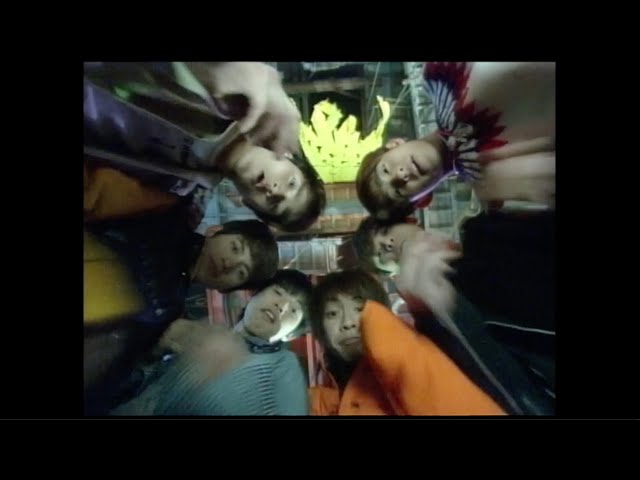
Released on January 20, 1997, this is V6’s fifth single.
The sound bounces, and so does your heart! Just by listening, you feel like you could stride forward briskly, cutting through the wind—a true feel-good song! It’s a warm track overflowing with love that makes you want to think about what you can do—for yourself and for someone else.
A third of pure-hearted feelingsSIAM SHADE

Released on November 27, 1997, this is SIAM SHADE’s sixth single.
It became a major hit as the ending theme for Rurouni Kenshin: Meiji Swordsman Romantic Story.
The tie-in with Rurouni Kenshin was said to guarantee a hit—so much so that it later became a kind of jinx—and “1/3 no Junjou na Kanjou” went on an unstoppable run! Passionate yet heartrending, powerful yet fragile—its impermanent worldview grips the heart.
It’s a classic masterpiece by SIAM SHADE.
SPARKTHE YELLOW MONKEY

The Yellow Monkey’s 10th single, released on July 10, 1996.
An intro that leaves a strong impression after just one listen! A sound that boils over with heat, and a voice that seems to speak directly to the heart.
It’s a song that gives off a strange heat and power—as if it’s slowly lighting a spark toward a pivotal moment.
for a long timeKiroro

Kiroro’s debut single overflows with the joy and love of finally being able to express one’s feelings, and with gratitude toward the person who waited.
The harmony woven by Chiharu Tamashiro’s endlessly pure vocals and Ayano Kinjo’s warm piano tones gently wraps around the listener’s heart.
Released in January 1998, the song became a massive hit through word of mouth despite having no tie-ins, ultimately selling over 1.2 million copies.
In the spring of 1999, it was selected as the entrance march for the National High School Baseball Invitational Tournament.
It’s a song that gives you a gentle push when you find it hard to say “thank you” to someone important.
Karaoke hits from the 1990s: Classic and popular Japanese songs (21–30)
Movin’ on without youUtada Hikaru

Utada Hikaru’s second single, released on February 17, 1999.
From the opening guitar riff, you could feel that something was beginning—something new—an impact that was simply shocking.
A hit song by Utada Hikaru featuring a voice unlike anything we’d heard, a unique vibrato, and melodies unlike any before; at the time, everything felt fresh to everyone.
It’s a poignant love song where Hikky’s talent erupts as if accelerating.