

Karaoke songs that were hits in the ’90s. Classic and popular tracks from Japanese music.

Don’t you ever feel overwhelmed at karaoke with so many songs to choose from? That’s when this handy collection of popular karaoke songs comes in! It’s especially recommended for those who were students in the 1990s.
Oh, and of course, since we’re featuring hit songs, everyone else should enjoy it too!
- [Heisei Retro] Hit Japanese songs that defined the 1990s. Recommended J-POP classics.
- Popular 80s hits for karaoke. Sing kayōkyoku and pop songs!
- 2000s: A Collection of Hit Karaoke Classics
- A must-see for people in their 30s and 40s! A roundup of nostalgic 1990s commercial jingles
- Tear-jerking J-pop from the ’90s. Hit songs and real tearjerkers.
- Ranking of Popular Songs by Japanese Male Singers from the 1990s [2026]
- Iconic ballads of 90s J-pop: nostalgic mega-hits and fan favorites
- A collection of iconic, cool Showa-era kayōkyoku classics sung by male vocalists
- Classic and hit songs by nostalgic Japanese bands from the 1990s
- Even karaoke beginners can relax! Easy-to-sing songs for men
- Songs to Enjoy with Women in Their 90s: A Collection of Karaoke Crowd-Pleasers
- Popular Nostalgic Songs: J-Pop Ranking [1990s Japanese Music Ranking]
- Japanese hit songs from 1990. Recommended masterpieces and popular tracks
Karaoke hits from the 1990s: Classic and popular Japanese songs (21–30)
Surely more than anyone else in the worldNagayama Miho & WANDS

This is a collaboration between Miho Nakayama and WANDS that sings of boundless longing for a lover and the desire to reunite.
It also drew attention as the theme song for the Fuji TV drama “Someone Loves Her,” released in October 1992.
Notable for the emotional rise in the chorus and lyrics about a fateful reunion, the piece was originally planned as a WANDS single during the planning stage, but with Nakayama’s voice added, it gained greater depth.
It’s a gem of a ballad that everyone can hum along to at reunions or parties with close friends.
LA LA LA Love SongKubota Toshinobu with Naomi Kyanberu

A gem of a love song that captures the unstoppable rush of romance—like a merry-go-round—with sweet, heartrending vocals and sound.
Born from the 1996 collaboration between Toshinobu Kubota and Naomi Campbell, the song became a major talking point as the theme for the Fuji TV drama “Long Vacation.” In its sixth week after release, it topped the Oricon Weekly Singles Chart and went on to sell 1.856 million copies.
It has since been covered by numerous artists.
It’s a song you’ll want to sing with all your heart as you recall happy moments with your loved one.
FACEglobe

A gem of a dance-pop tune that fuses Tetsuya Komuro’s exceptional production with KEIKO’s richly expressive vocals.
Released as a single from avex globe in January 1997, its sophisticated sound—woven from electronic rhythms and memorable melodies—captures the heart.
Chosen as the theme song for the Fuji TV drama “Kanojo-tachi no Kekkon” and as the CM song for NTT’s “Multi-Net Fair,” it debuted at No.
1 on the Oricon charts.
Long cherished as one of globe’s signature tracks, it was also included on the album “FACES PLACES,” selling over 3 million copies.
Its dramatic progression and groovy sound make it perfect for heart-lifting moments or reminiscing about times with someone special.
LOVE MachineMōningu Musume.

Morning Musume’s 7th single, released on September 9, 1999.
It starts with beautiful harmonies and builds into a lively sound—a poppy, catchy, feel-good song! It’s a fun track everyone can get excited about, and it became such a karaoke staple that it’s now one of Morning Musume’s hit songs!
in the skyKudō Shizuka

Released on July 17, 1998, “in the sky,” the second track on the 32nd single Kirara, was written and composed by Ryuichi Kawamura and was also featured as an insert song in the drama God, Please Give Me More Time.
It’s a poignant ballad with a soundscape that unfolds on a grand scale, and vocals that send wishes into that vast world, permeating it with longing.
Wishes, resignation—yet the wishing repeats…
It’s a song that reminds you of the precious feelings you’ve kept hidden somewhere amid your busy daily life.
Ballad of a SingerSaitō Kazuyoshi

This is a bittersweet yet warm song that begins with a simple acoustic guitar tone.
It conveys the weight carried by the words “I love you,” intertwining a moving expression of deep love with the meaning of singing as a performer—truly a masterpiece.
Released in November 1997, its heartfelt vocals and universal message captured many hearts despite its simple sound.
It was chosen as the theme song for the animated film “Lu Over the Wall,” and has been embraced by even more listeners across generations.
With Kazuyoshi Saito’s characteristically warm vocals and memorable melody, it’s easy to sing at karaoke and is recommended when you want to convey your feelings to someone special or sing with heartfelt emotion.
I won’t fall in love anymore.Makihara Noriyuki
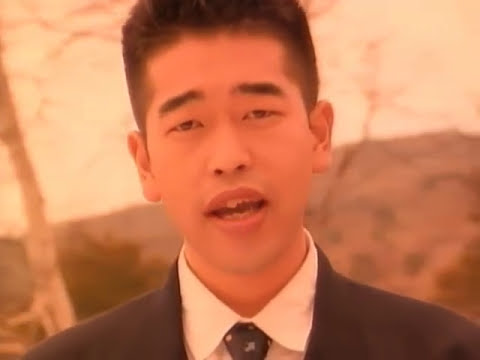
A gem-like ballad that delicately portrays the pain of heartbreak and the hope of taking a new step forward.
Noriyuki Makihara’s gentle vocals tenderly envelop the protagonist’s complex feelings as they struggle to accept a breakup with their lover.
While carefully depicting the loneliness and confusion felt in everyday life, it also resonates with the positive resolve hidden behind the words “I won’t fall in love anymore.” Released in May 1992, the song was used as the theme for the drama “After the Children Are Asleep,” reaching No.
2 on the weekly Oricon chart and No.
7 for the year.
It’s a song that stands as emotional support, accompanying you through the healing process of a broken heart.