

![[J-Pop] Debut songs by male solo artists from the 1990s](https://i.ytimg.com/vi/RvIWD9xV4e8/sddefault.jpg)

An artist’s debut single is a precious testimony—packed with raw impulses, determination, and all kinds of intentions.
Listeners from later generations are often surprised or convinced when they hear the debut songs of artists with long careers.
There’s something you can only sense in a first work—this isn’t limited to music.
This article spotlights male solo artists in Japanese music who debuted in the 1990s, the golden age of J-pop when CDs sold the most in Japan, and introduces their memorable debut tracks.
Including artists who launched solo careers after being in bands, enjoy the unique charms of debut songs—from mega-hits to hidden gems!
- 1990s Male Singer-Songwriters: Popular Song Rankings [2026]
- Ranking of Popular Songs by Japanese Male Singers from the 1990s [2026]
- Classic and hit J-pop songs from the nostalgic ’90s
- Iconic ballads of 90s J-pop: nostalgic mega-hits and fan favorites
- [J-Rock] Timeless masterpieces that colored the 1990s. Nostalgic hit songs.
- Debut song of a 90s visual kei band
- Popular Nostalgic Songs: J-Pop Ranking [1990s Japanese Music Ranking]
- Male singers with great voices: a collection of cool, seductive vocals
- A roundup of hit love songs from the ’90s
- Recommended love songs sung by male artists for the yutori generation
- Looking back at the gem-like debut songs of female singers who debuted in 1990
- Tear-jerking J-pop from the ’90s. Hit songs and real tearjerkers.
- I want to sing at karaoke! Songs by male artists recommended for Gen Z
[Japanese Pop] Debut Songs by Male Solo Artists from the ’90s (1–10)
TRUE LOVEFujii Fumiya
This is the second single by singer-songwriter Fumiya Fujii, who debuted as the lead vocalist of the seven-member rock band The Checkers and has continued to work actively as a solo artist after the band’s breakup.
Although he released the solo single “Mother’s Touch” while still a member of The Checkers, this track was unveiled on November 10, 1993, as a full-fledged solo work following the breakup.
Its simple arrangement centered on acoustic guitar—distinct from his band era—evokes a sense of returning to his roots and making a fresh start as an artist.
Used as the theme song for the TV drama Asunaro Hakusho, it’s a debut solo track that will likely stir a nostalgic feeling for those of that generation.

In the Rain of RemembranceFukuyama Masaharu

While many people may primarily associate him with acting, Masaharu Fukuyama is also an energetic singer-songwriter who is highly active on the music scene, including with regular tours.
This was his debut single.
Due to vocal cord polyps at the time, his debut as a singer was postponed, so the single was released on March 21, 1990, following his earlier debut as an actor.
The driving rock sound paired with Fukuyama’s sexy, low-pitched voice makes for a cool ensemble.
It’s a striking number that marked the start of Masaharu Fukuyama’s career as a musician.
Dog and CatNakamura Kazuyoshi
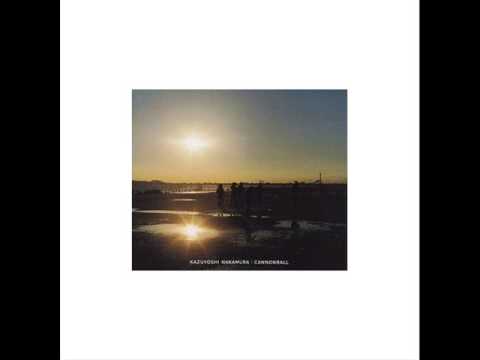
This is the major label debut single by singer-songwriter Kazuyoshi Nakamura, who earned high acclaim in the music industry—hailed as a “once-in-a-decade genius”—for his lyrical sensibility, exceptional pop craftsmanship, and his self-producing from the start of his career.
Released on January 22, 1997 as a double A-side with “Koko ni Iru,” the track’s nostalgic arrangement and catchy melody make it undeniably addictive.
Many listeners may feel a one-of-a-kind presence in its distinct sense of weightless atmosphere paired with unmistakable songwriting prowess.
With ear-catching phrases and suggestive lyrics, it’s a song you’ll want to listen to over and over again.
The Beatles I saw were inside the TV.Saitō Kazuyoshi

The debut single by singer-songwriter Kazuyoshi Saito, who has created timeless hits that almost everyone has heard at least once, such as “Utautai no Ballad” and “Aruite Kaerou.” Released on August 25, 1993, this song had already been performed since the time he achieved five consecutive wins on the audition program “Saturday My Family TV: Miyake Yuji’s Tenka Gomen ne!” the previous year.
The melancholy of the acoustic guitar over a shuffle beat, combined with lyrics that satirize his own situation and society, conjure up scenes filled with a sense of anxiety and stress.
It’s a piercing number that captures the universal feelings of youth, even as the times change.
La Boum ~Because MY BOOM IS ME~Kajihadeki

Dubbed “Mr.
Sweden” for his breezy, buoyant musical style, singer-songwriter Hideki Kaji became a central figure in the Shibuya-kei movement that flourished in the 1990s.
This is his debut single, released on January 6, 1997, the year after his debut mini-album MUSCAT E.P., and it was featured in a Kewpie Half mayonnaise commercial.
Its invigorating, weightless melody set over sprightly piano perfectly evokes Swedish pop.
It’s a track that vividly reflects Kaji’s musical sensibilities and mentality—one you’ll want to play on a leisurely day off.
Dictatorship -monopolize-T.M.Revolution

This is the debut single of the solo project T.M.Revolution, launched with Takanori Nishikawa—who had made his major debut as the vocalist of the visual kei band Luis-Mary—under the production of music producer Daisuke Asakura.
The song was used as the opening theme for the variety show “Shukan Stamina Tengoku,” and despite being a debut track, it already exudes a fully formed presence with its powerful vocals and crystalline synth sound.
Moreover, the release date—May 13, 1996—fell on a “Butsumetsu” day and on the 13th, considered unlucky in the West, further underscoring its defiant stance.
A thrilling number that marked the beginning of Takanori Nishikawa’s journey as a solo artist.
Run through the hit chartsSuga Shikao

This is the debut single by singer-songwriter Shikao Suga, who graduated from Tokyo Keizai University, joined a production company, and then leapt into a career in music.
Released on February 26, 1997, it was used in a commercial for Nissan’s Datsun Pickup, yet it’s also known as the only Suga single that never entered the Oricon charts.
The emotional melody blends exquisitely with the delicacy of the acoustic guitar, delivering a coolness that still feels fresh and uplifting today.
With its nimble 16-beat groove and catchy melody, it’s a remarkably polished number for a debut track.