

Showa-era classic songs that brightened the 1990s

The 1990s were a period of the most significant change in Japan’s music history.
Genres that are commonplace today, like hip-hop and R&B, saw truly full-fledged artists emerge in Japan during this era.
At the same time, traditional pop music also produced hits, making it an unprecedentedly diverse music scene.
This time, we’ve picked out classic Showa-era songs from within the 1990s, specifically from 1990 to 1995.
It features many nostalgic works, so it’s a must-see for those of that generation!
- Iconic ballads of 90s J-pop: nostalgic mega-hits and fan favorites
- Cool songs from the Showa era. Masterpieces from Showa that shine with sensuality, passion, and rugged charm.
- Tear-jerking J-pop from the ’90s. Hit songs and real tearjerkers.
- Showa-era nostalgic songs: Popular ranking
- A collection of nostalgic hits from the Heisei era: Let’s look back at iconic songs from the 1990s and 2000s.
- A collection of iconic, cool Showa-era kayōkyoku classics sung by male vocalists
- Heart-touching, tear-jerking masterpieces from the Showa era
- A roundup of hit love songs from the ’90s
- [Classic Showa Kayō Hits] The captivating Showa-era pop songs beloved even by younger generations
- [Revisited] A roundup of popular and classic Showa-era songs that are trending now [2026]
- Tear-jerking songs recommended for women in their 50s: classic and popular Japanese hits
- Classic and hit J-pop songs from the nostalgic ’90s
- [J-Rock] Timeless masterpieces that colored the 1990s. Nostalgic hit songs.
Showa-era classic songs that colored the 90s (1–10)
A Midsummer Night’s DreamMatsutōya Yumi

Singer-songwriter Yumi Matsutoya, who topped album sales in six consecutive decades from the 1970s through the 2020s and continues to evolve her musical style, remains a defining figure.
Her 24th single, “A Midsummer Night’s Dream,” used as the theme song for the TV drama “Darenimo Ienai” (Can’t Tell Anyone), became her first million-selling single and a major hit.
Its passionate lyrics and melody, carried by a Latin beat, still feel fresh and timeless today.
It’s a signature song of Yumi Matsutoya that colored 1993 alongside the drama.

I LOVE YOUOzaki Yutaka

Yutaka Ozaki was a singer-songwriter who enjoyed charismatic popularity, especially among young people, and continued to exert an influence so great it became a social phenomenon even after his sudden death at the age of 26.
His 11th single, “I LOVE YOU,” which was included in high school music textbooks in 2004, was released as a single in 1991, eight years after it first appeared on the classic album Seventeen’s Map.
Its wistful melody still resonates across generations today.
For those of that generation, it’s likely a song you’ve sung at karaoke at least once—a timeless ballad that remains a landmark in J-pop history.
As I love you selfishly, I won’t hurt anyone but you.B’z

B’z is a rock duo that has continued to lead Japan’s rock scene, consistently releasing hit numbers.
Their 12th single, “Ai no mama ni wagamama ni boku wa kimi dake wo kizutsukenai,” used as the theme song for the TV drama Saiyuki, is a massive hit and the only B’z single to achieve double million sales.
Its ensemble features a guitar-forward sound despite a pop-oriented arrangement, showcasing that signature B’z catchiness.
It’s a rock tune emblematic of the 1990s trend for long song titles, and for those of that generation, it’s sure to fire up the crowd at karaoke.
Showa masterpieces that colored the '90s (11–20)
innocent worldMr.Children

Known by the abbreviation “Misuchiru,” Mr.Children is a four-member rock band whose released albums have topped the Oricon Weekly Chart across four different decades.
Their fifth single, “innocent world,” used in commercials for Coca-Cola Japan’s Aquarius Neo/Aquarius Iosis, became a massive hit and won the Grand Prize at the 36th Japan Record Awards.
Its clear, refreshing ensemble and catchy melody are a perfect fit for a sports drink commercial.
For those of that generation, it’s a pop tune that makes you want to sing it at karaoke—a song that cemented Mr.Children’s popularity.
EZ DO DANCETRF

TRF is a five-member co-ed dance and vocal group that led the TK Sound, which dominated the J-POP scene in the 1990s, and thrilled fans with a string of high-energy, disco-inspired tunes.
Their second single, EZ DO DANCE—used in the commercial for Fine Today’s Sea Breeze ’93—is a signature hit for TRF.
Its high-tension sound and melody make you want to shout along, even if you’re not from that generation.
In recent years, with DJ KOO’s frequent appearances on variety shows, this timeless dance track has also become familiar to younger audiences.
God of RomanceHirose Kōmi

In recent years, singer-songwriter Kōmi Hirose has broadened her activities to variety shows and YouTube, drawing renewed attention for her overwhelming vocal prowess.
Her third single, “Romance no Kamisama,” used as a commercial song for the ski equipment store Alpen, features a catchy, pop melody that really sticks in your head.
The lyrics, themed around group dating, may evoke an image of a society somewhat different from today’s.
It’s a high-energy, up-tempo track that earned Hirose the nickname “Queen of Winter” in the J-pop scene.
Love stories happen suddenlyOda Kazumasa
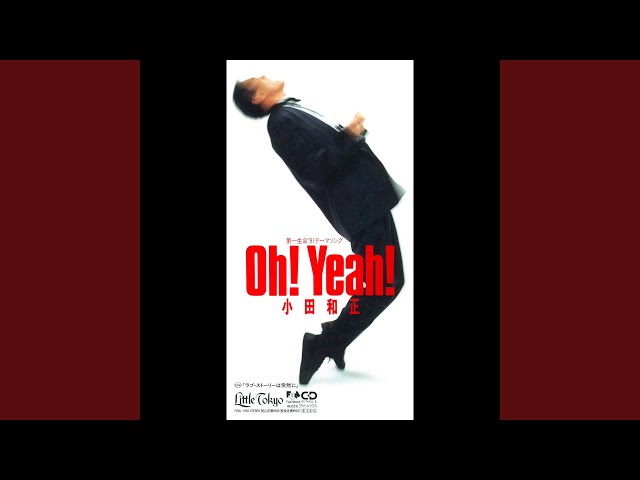
Singer-songwriter Kazumasa Oda continues to captivate fans with his high-tone voice—radiant and tinged with poignancy—that shows no signs of fading with age.
Love Story wa Totsuzen ni, released as a double A-side with his sixth single Oh! Yeah!, was written specifically as the theme song for the TV drama Tokyo Love Story.
For those of that generation, even the catchy opening guitar riff alone may bring iconic scenes from the series flooding back.
It’s a massive hit that truly symbolizes the trendy-drama boom of the 1990s.