


The 1990s were a period of the most significant change in Japan’s music history.
Genres that are commonplace today, like hip-hop and R&B, saw truly full-fledged artists emerge in Japan during this era.
At the same time, traditional pop music also produced hits, making it an unprecedentedly diverse music scene.
This time, we’ve picked out classic Showa-era songs from within the 1990s, specifically from 1990 to 1995.
It features many nostalgic works, so it’s a must-see for those of that generation!
- Iconic ballads of 90s J-pop: nostalgic mega-hits and fan favorites
- Cool songs from the Showa era. Masterpieces from Showa that shine with sensuality, passion, and rugged charm.
- Tear-jerking J-pop from the ’90s. Hit songs and real tearjerkers.
- Showa-era nostalgic songs: Popular ranking
- A collection of nostalgic hits from the Heisei era: Let’s look back at iconic songs from the 1990s and 2000s.
- A collection of iconic, cool Showa-era kayōkyoku classics sung by male vocalists
- Heart-touching, tear-jerking masterpieces from the Showa era
- A roundup of hit love songs from the ’90s
- [Classic Showa Kayō Hits] The captivating Showa-era pop songs beloved even by younger generations
- [Revisited] A roundup of popular and classic Showa-era songs that are trending now [2026]
- Tear-jerking songs recommended for women in their 50s: classic and popular Japanese hits
- Classic and hit J-pop songs from the nostalgic ’90s
- [J-Rock] Timeless masterpieces that colored the 1990s. Nostalgic hit songs.
Showa-era classic songs that colored the 90s (1–10)
LOVE LOVE LOVEDREAMS COME TRUE

The duo band DREAMS COME TRUE has earned support for their overwhelmingly powerful vocals—uncommon in Japan—and for songs that, while funky, still capture the essence of J-pop.
Their 18th single “LOVE LOVE LOVE,” released as a double A-side with “Arashi ga Kuru,” was chosen as the theme song for the TV drama “Aishiteiru to Ittekure.” Its transparent ensemble and love-filled message have a comforting quality that draws you in.
Among DREAMS COME TRUE’s many singles, it boasts their highest sales and stands as a representative ballad of the 1990s J-pop scene.

At all times.Makihara Noriyuki
Singer-songwriter Noriyuki Makihara, known for songs that feature his distinctive, warm vocals and catchy melodic sensibility, has garnered widespread popularity.
His third single, “Donna Toki mo” (“No Matter When”), used as the theme song for the film ‘No Abnormalities in the Job-Hunting Front,’ has been widely covered by numerous artists since its release in 1991.
Its positive message and ensemble centered on a lively piano give listeners the power to lift their spirits and move forward.
For those of that generation, it’s guaranteed to be a karaoke crowd-pleaser—Makihara’s biggest hit single.
SAY YESCHAGE and ASKA
In 2019, the 40th anniversary of their debut, ASKA announced his departure, and the music duo CHAGE and ASKA has since been active with only Chage.
Their 27th single, “SAY YES,” written as the theme song for the TV drama “The 101st Proposal,” is the track that introduced the name CHAGE and ASKA—who had been struggling in terms of sales—to a wide range of listeners.
Its clear, expansive ensemble and beautiful harmonies possess a timeless appeal.
It’s a masterpiece worthy of its double-million sales, and one you’ll want to harmonize on at karaoke with people of the same generation.
Longing, poignancy, and strength of heartShinohara Ryoko with t.komuro

Ryoko Shinohara, a singer who debuted as a member of Tokyo Performance Doll and now commands a strong presence as an actor, released her 4th single, “Itoshisa to Setsunasa to Kokorozuyosa to,” produced as the tie-in theme song for the animated film Street Fighter II: The Movie.
Because it was produced by Tetsuya Komuro, it was released under the name “Ryoko Shinohara with t.komuro.” Her wistful vocals and the synth-driven sound capture the essence of the 1990s J-pop scene.
With its catchy melody that lingers in your ears, the track became a hit tune that achieved double million sales.
Goodbye, Humanitytama
The three-piece band Tama drew attention for their impactful musical style on the music show Heisei Meibutsu TV: Miyake Yuji’s Ikasu Band Tengoku.
Their debut single Sayonara Jinrui, released as a double A-side with Ranchu, was featured in a commercial for Takara Shuzo’s Jun Aleph, becoming a hot topic.
The ensemble—said to have emerged from free sessions—carries a distinctive sense of weightlessness along with its loose melodies.
For those of that generation, it’s an addictive pop tune that makes it impossible not to anticipate the chorus in the hook.
Romantic Flightkome kome CLUB

Kome Kome Club is a nine-member band that captivates fans with their inventive musicality and live performances, ranging from pop numbers featuring catchy melodies to underground tracks.
Their 10th single, “Roman Hikō,” which was reportedly produced with the aim of landing an airline commercial tie-in, was used as the CM song for the “JAL STORY Summer Imperial Villa Campaign.” Its airy, exhilarating ensemble and emotional melody genuinely make you feel like heading off somewhere far away.
Sung mostly in a low key, it’s easy to perform at karaoke and remains a timeless classic that draws everyone in.
loadTHE toraburyū
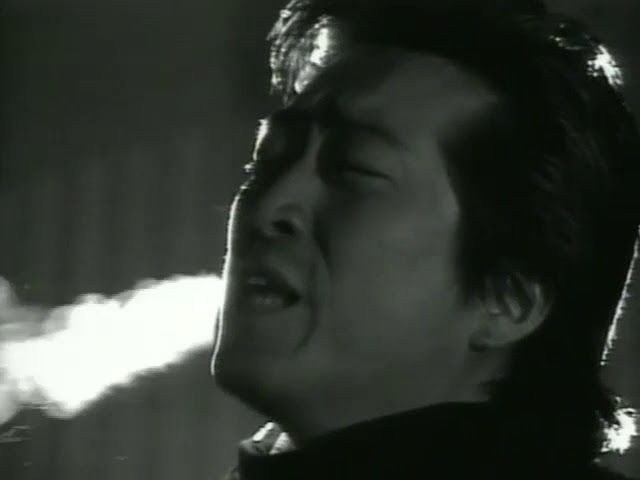
THE Toraba-ryu is a six-member rock band centered on George Takahashi, who is active across a wide range of fields as a commentator, TV personality, and actor.
Their debut single Road, which was used as the ending theme for the variety show Television Near-Future Laboratory, is a song based on a true story that began with a letter from a fan.
The sentimental intro featuring a blues harp, combined with the lyrics’ narrative, really tugs at the heartstrings.
It’s a million-selling hit that made THE Toraba-ryu’s name widely known and was even adapted into a film.