

Winter songs in 90s J-pop: a roundup of popular winter tunes


The J-pop scene of the ’90s was truly a golden era—a time when CDs sold explosively and countless mega-hits were born.
It was also an era when numerous winter songs colored the streets.
Cityscapes glowing with illuminations, white breaths in the cold air, moments spent with someone special.
When you picture those winter scenes, don’t the winter songs of that time naturally resonate in your heart? From bittersweet yet warm ballads to pop numbers that hype up Christmas, this article delivers a rich selection of ’90s J-pop winter tunes—from massive hits to hidden gems.
Whether you’re reminiscing about those days or discovering them for the first time, enjoy these exquisite tracks along with the winter air!
Winter songs from 90s J-POP. Top popular winter tracks (1–10)
Winter, againGLAY

Released in 1999, this is an iconic winter song that crowned the end of the ’90s! Even for GLAY—already a household-name rock band thanks to a string of huge hits—this track became their biggest success.
TERU’s high notes in the C-melody were a challenge many men tried to tackle at karaoke, but few could pull off perfectly.
GLAY are famously from Hokkaido, and TAKURO’s lyrics brilliantly weave in scenery only someone from Hokkaido could depict.
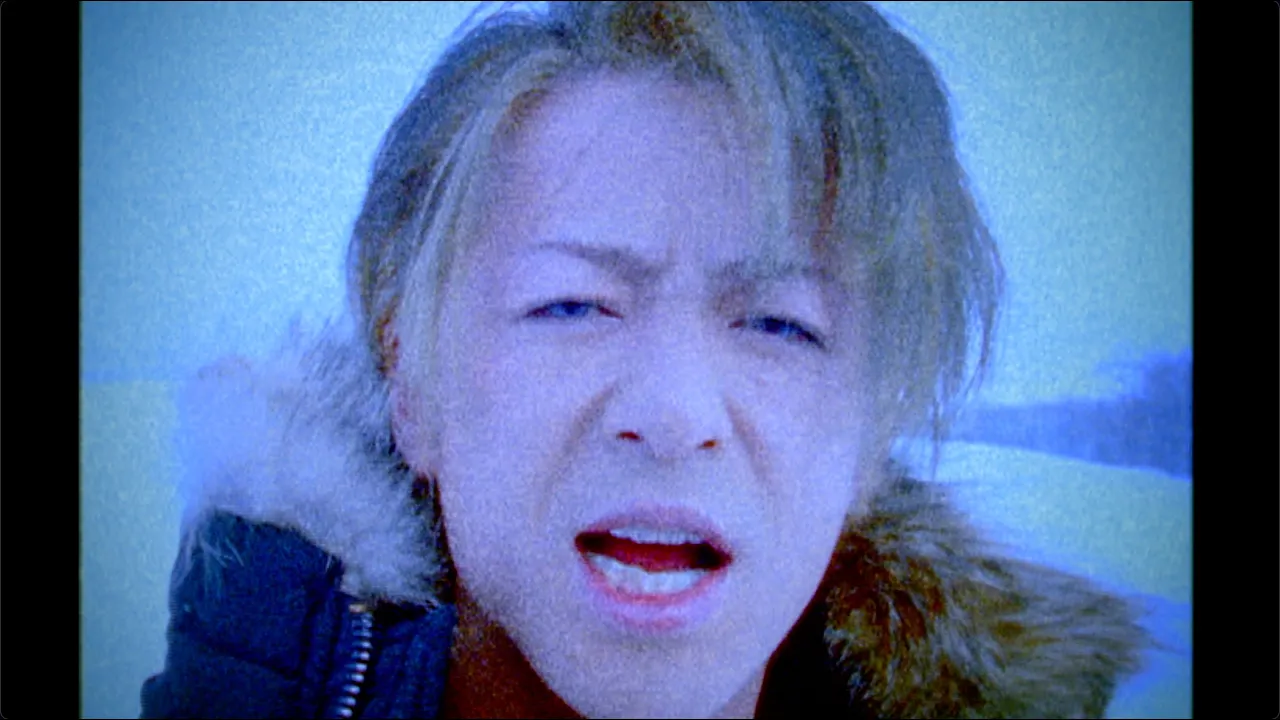
The impact of the snow-drenched music video, filmed in Biei, Hokkaido, is also unforgettable.
Incidentally, that MV mostly features TERU, so a new version was later created to show all the members more evenly.

DEPARTURESglobe

Among the TK sound hits crafted by music producer Tetsuya Komuro that dominated the charts in the ’90s, this classic by globe was a blockbuster, selling a total of 2.288 million copies.
Released on January 1, 1996, it was also featured in a JR SKISKI commercial, and is widely known as a quintessential song that colored the winters of the ’90s.
I fondly remember how it played every winter back then.
The instantly recognizable TK sound driven by electronic programming, KEIKO’s beautiful vocals that so many women tried to take on at karaoke, and Marc Panther’s cool rap—listening to this song brings back memories of those winters from that era any time.
White LoveSPEED

A timeless winter song that colored the late 1990s, this was the biggest hit by SPEED, the four-piece group from Okinawa who were taking the world by storm at the time.
It won the 39th Japan Record Award and is said to have sold a total of 2 million copies.
With this track, the group made their first appearance on NHK’s Kōhaku Uta Gassen.
Beyond the powerful impact of opening with the chorus, the song also showcased a more mature side of the group, who had been known for their energetic releases, and many women were singing it at karaoke back then.
Be sure to pay attention to the contrast between the two vocalists with distinctly different timbres—the younger members, Eriko Imai and Hiroko Shimabukuro!
Because it’s a cold nightTRF

Alongside globe’s “DEPARTURES,” one of the quintessential winter songs produced by Tetsuya Komuro is TRF’s “Samui Yoru Dakara.” It’s nostalgic to remember that they were credited as trf in lowercase back then, and the track is also a milestone in the group’s career as their first to break into the Oricon Top 10.
The structure that kicks off right with the chorus—a hallmark golden pattern of the time—is nothing short of perfect.
The gently wistful melody and lyrics are outstanding, and vocalist Yuki’s beautiful voice is remarkable as well.
It’s remained a karaoke staple for years, and it was even covered in Hideaki Tokunaga’s “VOCALIST” series.
winter fallL’Arc〜en〜Ciel

L’Arc~en~Ciel’s 8th single, “winter fall.” Released in January 1998, it’s known—alongside “snow drop”—as one of the band’s signature winter songs.
It was a major hit, selling over 850,000 copies.
Even today, it’s almost always performed live and is highly praised by overseas fans.
As the band themselves have said they aimed for an exciting, heart-pounding feel, the song brilliantly captures that thrilling sensation of a snowy winter.

WHITE BREATHT.M.Revolution
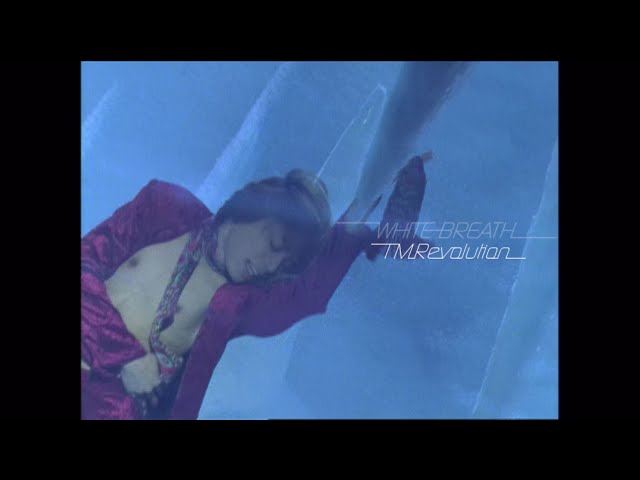
When it comes to T.M.Revolution’s summer songs, HIGH PRESSURE and HOT LIMIT come to mind, but for a winter song, it has to be WHITE BREATH.
Released in 1997, it became the biggest hit of his career and earned him his first appearance on NHK’s Kōhaku Uta Gassen that same year.
The track features a driving digital rock sound characteristic of producer Daisuke Asakura, and lyrics that showcase the playful wordcraft of Akio Inoue, a truly golden duo.
Watching the music video—where he sings in a suit and tie with a bare torso amid a snowstorm—you’re reminded that while Takanori Nishikawa now proudly sports a finely honed physique, he was promoted at the time as a more androgynous character.
Someday Merry ChristmasB’z

Among the many classic ballads B’z have created, this song stands out for its particularly high popularity and name recognition.
It’s also a staple Christmas song, and many younger music listeners likely know it.
Interestingly, it wasn’t released as a single; its first appearance was on the conceptual mini-album “FRIENDS,” released in December 1992.
Since then, it has frequently been included on best-of compilations and has become a beloved song over many years.
The music-box intro that echoes the chorus, the warm-toned acoustic guitar, the lyrics that depict delicate, cinematic scenes and shifting emotions—every element is truly wonderful.
There are many versions of this track as well, so be sure to listen and compare them.