

A coming-of-age song that was a hit in the ’90s. A classic and popular track in Japanese music.

“SAY YES,” “Tomorrow never knows,” and “Nani mo Ienakute… Natsu”—
The youth songs of the ’90s hold treasured memories hidden in everyone’s heart.
The bittersweet love of CHAGE and ASKA, the hope for the future from Mr.Children, the summertime melancholy of THE JAYWALK.
It’s as if we’ve boarded a time machine, and those shining memories of back then come flooding back.
Shall we look back on that page of youth engraved in our hearts, together with those nostalgic songs?
Ah.
- Classic and hit J-pop songs from the nostalgic ’90s
- An anthem for your 30s. Beloved and popular songs that are both heart-pumping and heart-fluttering.
- Ranking of Popular Songs by Japanese Male Singers from the 1990s [2026]
- Tear-jerking J-pop from the ’90s. Hit songs and real tearjerkers.
- Classic and hit songs by nostalgic Japanese bands from the 1990s
- Coming-of-age songs for your 50s: heart-thumping × heartwarming classics and popular tracks [2026]
- [Heisei Retro] Hit Japanese songs that defined the 1990s. Recommended J-POP classics.
- Songs popular among men in their 40s. Timeless classics that bring back memories.
- Iconic ballads of 90s J-pop: nostalgic mega-hits and fan favorites
- [Hit Songs of the 1990s] The Best Uplifting J-Pop Hits!
- A youth song with great lyrics. A lovely message that stays with your heart.
- [J-Rock] Timeless masterpieces that colored the 1990s. Nostalgic hit songs.
- Relive those feelings from back in the day! Youth anthems recommended for the Yutori generation
Coming-of-age songs that were hits in the ’90s: classic and popular J-Pop tracks (71–80)
Tomorrow, when spring comesMatsu Takako

A debut single by Takako Matsu that gently soaks the heart with the tenderness and wistfulness of spring.
Used as the CM song for NTT’s “Wakuwaku New Life Campaign,” it expresses fresh, heartfelt feelings for “you,” who is devoted to baseball.
Upon its release in March 1997, it reached No.
8 on the Oricon charts and was also performed at the 48th NHK Kōhaku Uta Gassen that same year.
With its transparent vocals and lyrical melody, this song stays close to the heart with the arrival of spring, gently encouraging those entering a season of new encounters and farewells.
rainMoritaka Chisato

A heart-stirring ballad by Chisato Moritaka, where the ache of heartbreak overlaps beautifully with the imagery of rain.
Since its release in September 1990, this song has marked a turning point as she evolved toward a more artist-driven direction.
The delicate vocals weave a tale of unrequited love, vividly portraying the complex emotions of a woman parting from her lover in the rain.
Released by Warner-Pioneer, it reached No.
2 on the Oricon charts.
It’s the perfect accompaniment for quiet moments—when you want to empathize with the sorrow of love, on a gentle rainy afternoon, or during a nighttime drive to sort out your feelings.
Snow in MarchMakihara Noriyuki

A coming-of-age ballad that captures a spring scene 20 days after graduation.
With a gentle melody and tender vocals, it conveys young people’s anxiety and anticipation about change, as well as the fleeting time spent with cherished friends.
Against the backdrop of unseasonal snowfall, the image of walking shoulder to shoulder with friends is portrayed in a way that deeply resonates.
Included on Noriyuki Makihara’s album “Kimi wa Dare to Shiawase na Akubi o Shimasu ka.” released in September 1991, this song is captivating for its calm, warm poetic worldview.
It is a masterpiece to listen to with the arrival of spring—one that offers solace to those experiencing the complex emotions that accompany life’s turning points and the feelings stirred by ever-changing days.
I won’t fall in love anymore.Makihara Noriyuki
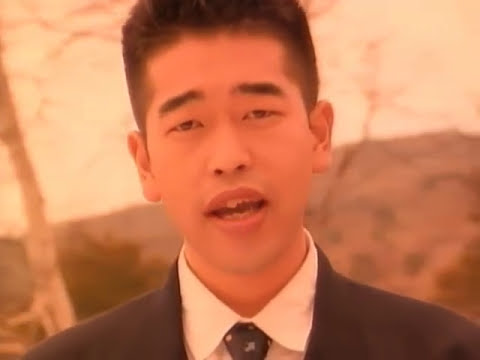
A gem-like ballad that delicately portrays the pain of heartbreak and the hope of taking a new step forward.
Noriyuki Makihara’s gentle vocals tenderly envelop the protagonist’s complex feelings as they struggle to accept a breakup with their lover.
While carefully depicting the loneliness and confusion felt in everyday life, it also resonates with the positive resolve hidden behind the words “I won’t fall in love anymore.” Released in May 1992, the song was used as the theme for the drama “After the Children Are Asleep,” reaching No.
2 on the weekly Oricon chart and No.
7 for the year.
It’s a song that stands as emotional support, accompanying you through the healing process of a broken heart.
Is spring here yet?Hamada Masatoshi

Produced by Tamio Okuda, this song centers on themes of travel and self-discovery, leaving a memorable impression with its warm atmosphere that gently embraces the feelings of a solitary traveler.
With delicate wording, it depicts a man striving to find his true self within the vast expanse of the universe.
Released in December 1997, the track was featured as the campaign song for JR East’s “JR Ski Ski” and became a popular hit, reaching No.
8 on the Oricon Weekly Singles Chart.
Okuda’s signature simple, comfortable melodies beautifully capture the longing for spring’s arrival, making it a song that resonates with those looking forward to a new season and those setting out to walk their own path.
Choo Choo TRAINZoo

The JR East “JR Ski Ski” commercial song.
I think many people remember this track when they go skiing with their club or friends.
It was also covered by EXILE and has been loved for a long time.
Its upbeat tempo and groove let you bask in fun memories.
CHA-CHA-CHAIshii Akemi

Released in June 1986, this song was Akemi Ishii’s debut single and became widely known as the theme for the TBS drama “Danjo 7-nin Natsu Monogatari” (Seven Men and Women: Summer Story).
It topped the Oricon singles chart for nine consecutive weeks and sold over 580,000 copies.
Embraced by Japanese listeners as Latin-style disco music, it became a social phenomenon, amplified by the atmosphere of the bubble era.
Featuring lyrics that depict the free and liberated life of young women and a bright, catchy melody, the song expresses a passion for dance and a sense of release—an irresistibly uplifting track that can truly be called a symbol of youth.