

A coming-of-age song that was a hit in the ’90s. A classic and popular track in Japanese music.

“SAY YES,” “Tomorrow never knows,” and “Nani mo Ienakute… Natsu”—
The youth songs of the ’90s hold treasured memories hidden in everyone’s heart.
The bittersweet love of CHAGE and ASKA, the hope for the future from Mr.Children, the summertime melancholy of THE JAYWALK.
It’s as if we’ve boarded a time machine, and those shining memories of back then come flooding back.
Shall we look back on that page of youth engraved in our hearts, together with those nostalgic songs?
Ah.
- Classic and hit J-pop songs from the nostalgic ’90s
- An anthem for your 30s. Beloved and popular songs that are both heart-pumping and heart-fluttering.
- Ranking of Popular Songs by Japanese Male Singers from the 1990s [2026]
- Tear-jerking J-pop from the ’90s. Hit songs and real tearjerkers.
- Classic and hit songs by nostalgic Japanese bands from the 1990s
- Coming-of-age songs for your 50s: heart-thumping × heartwarming classics and popular tracks [2026]
- [Heisei Retro] Hit Japanese songs that defined the 1990s. Recommended J-POP classics.
- Songs popular among men in their 40s. Timeless classics that bring back memories.
- Iconic ballads of 90s J-pop: nostalgic mega-hits and fan favorites
- [Hit Songs of the 1990s] The Best Uplifting J-Pop Hits!
- A youth song with great lyrics. A lovely message that stays with your heart.
- [J-Rock] Timeless masterpieces that colored the 1990s. Nostalgic hit songs.
- Relive those feelings from back in the day! Youth anthems recommended for the Yutori generation
Coming-of-age songs that were hits in the ’90s. Classic and popular J-pop tracks (1–10)
BoyhoodInoue Yosui

As the title suggests, this song is about the primal landscapes of boyhood.
Many listeners will likely relate to the lyrics, which seem to gently turn each page of youth, and find themselves reminiscing about fond memories of the past.
To the futureKiroro

This is a heartwarming ballad that depicts the strong bond between mother and child.
Born from experiences in junior high school, the piece carries a message filled with love for a child and hope for the future.
Its gentle piano melody is striking, and Chiharu Tamashiro’s clear, pure vocals are deeply moving.
Released in June 1998 as Kiroro’s second single, it achieved an impressive No.
4 on the Oricon Weekly Singles Chart.
It has been covered by numerous artists and was also featured as the theme song for P&G’s “Bridge of Feelings Project” commercials.
Brimming with a parent’s love for their child and a child’s gratitude for their parent, this song is also beloved as a graduation anthem—sure to evoke memories of youth.
beetle (specifically, a rhinoceros beetle)aiko

This renowned song, which portrays the joy and poignancy of love through the changing seasons, was released as a single by aiko in November 1999.
In this work, each season symbolizes a different stage of romance, and from the distinctive perspective of a beetle, it delicately conveys the protagonist’s emotions.
Chosen as a program tie-in, it served as the ending theme for TBS’s “CDTV” in December 1999 and for Fuji TV’s “Jobireba!?” and has since been covered by various artists, including Keisuke Kuwata.
Embracing those moments when the beauty and fragility of love are most keenly felt, this piece was likely a youth anthem for many who came of age in the ’90s.
Coming-of-age songs that were hits in the ’90s: Classic and popular Japanese tracks (11–20)
Summer Colorsyuzu

This is an ode to youth that vividly captures the image of young people speeding down a hill on their bicycles.
Released in 1998, this song brought a fresh breeze to the music scene as Yuzu’s major-label debut single.
Featuring the refreshing sound of acoustic guitars and the crisp harmonies of Yujin Kitagawa and Koji Iwasawa, it was included on the album “Yuzu Ikka” and later used in 2017 as the theme song for Lotte’s “Sou” commercial.
Its lyrics, filled with summer memories and the bittersweetness of first love, gently portray a moment of youth that everyone can relate to.
The song is still used as the approach melody at Keikyu Kami-Ōoka Station, and has become a seasonal fixture woven into the fabric of the city—a quintessential summer track.
It’s perfect for the time of year when the start of summer is in the air, or when you want to look back on memories with someone special.
cherrysupittsu

A song that delicately captures the joys and bittersweet moments of youth was released in April 1996 and continues to be loved across generations.
The magical fusion of Spitz’s gentle melodies and poetic lyrics tenderly embraces a range of feelings—love, parting, and hope for the future.
Included on the album Indigo Chiheisen, it reached No.
1 on the Oricon weekly chart despite having no tie-in.
Since 2019, it has also been used in NTT East’s commercials, continuing to resonate with many people.
It’s a heartwarming track that stays close to those who carry feelings for someone dear and a faint sense of wistfulness, while holding hope for the future.
I should be able to fly (in the sky).supittsu
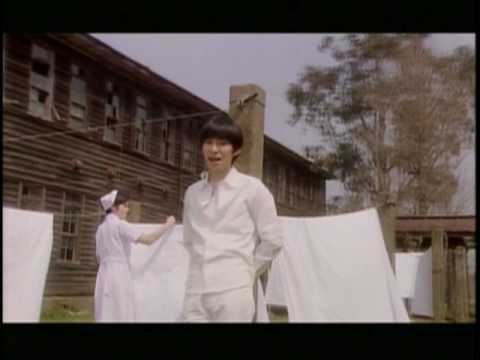
A gem of a love song delivered with a breezy melody that seems to float through the air and a voice brimming with vitality.
It weaves the wavering feelings unique to youth—where anxiety and expectation mingle—into a warm sound that gently embraces the heart.
Spitz’s eighth single, released in April 1994 and included on the album “How to Fly in the Sky,” later drew major attention when it was chosen as the theme song for the 1996 drama “Hakusen Nagashi.” Tenderly sung with poetic expression, capturing pure love and aching longing, this piece deeply resonates with young people struggling with romance and continues to shine just as brightly today.
When you want to connect heart-to-heart with someone special, this song will gently give you a push.
School HeavenKoizumi Kyoko

This is a song themed around youth and student life.
It kicks off with high-energy chants that bring back the excitement of our school days.
Wanting the goddess of fate to turn her gaze toward you—didn’t we all feel that way at some point?