

Mari Amachi's famous and popular songs

We present songs by Mari Amachi, who rose to prominence in the 1970s through dramas and her flagship TV programs, the “Mari-chan Series,” and became a beloved national idol singer.
Together with Saori Minami and Rumiko Koyanagi, she formed the “New Three Girls,” pioneering the wave of female idols in the 1970s.
Her entry into the world of music began when, in the fifth grade of elementary school, her mother bought her a piano.
She enrolled in the piano department of a high school affiliated with a music university, but later transferred to the vocal department to further refine her singing voice.
Now, let’s revisit her charms with this playlist and explore the secrets behind her popularity at the time.
- Mari Amachi's Most Popular Songs Ranking [2026]
- Classic and hit songs by nostalgic Japanese idols from the 1970s
- Debut song of a 1970s idol
- Miyuki Nakajima’s Masterpieces: A Showcase of the Timeless Gems That Defined an Era
- Just listening to it purifies the heart... A healing song born in the Showa era.
- Mariko Nagai's Most Popular Songs Ranking [2026]
- A roundup of debut songs by Japanese female artists from the 1970s
- A special feature on Mariya Takeuchi’s best songs: a must-hear collection of masterpieces for both longtime fans and first-time listeners.
- Songs by Showa-era idols that you’ll want to listen to now, in the Reiwa era!
- Nostalgic Japanese hit songs from the 1970s: the golden age of idols and kayōkyoku (Japanese pop songs)
- A ranking of popular songs by Saori Minami, whom many celebrities publicly declare themselves fans of
- Mari Iijima Popular Songs Ranking [2026]
- A collection of nostalgic hit songs and classics from the 70s
Mari Amachi’s classic and popular songs (21–30)
contrailtenchi mari
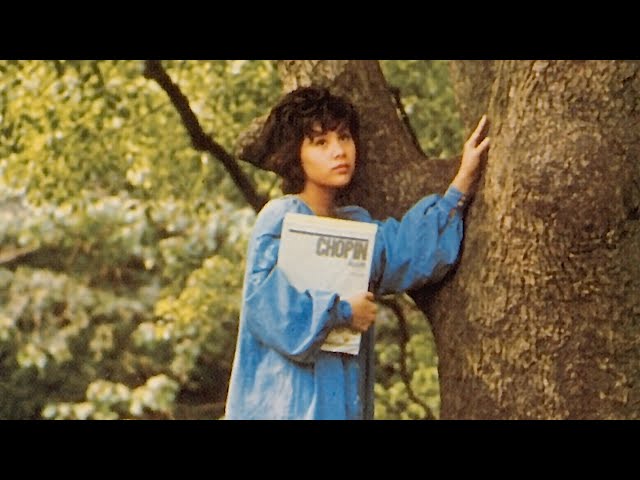
This is a song by Mari Amachi included on her album “Fairy-Tale Writer,” released in November 1973.
The piece envelops you in a mysterious, dreamlike atmosphere.
Its lyrics, which symbolically portray the bittersweetness and hope of youth, are beautifully matched with an elegant melody.
Amachi’s clear vocals create a fantastical mood that sparks the listener’s imagination.
In 2013, Yumi Matsutoya’s version was featured as the theme song for Hayao Miyazaki’s film “The Wind Rises,” bringing the song back into the spotlight.
With lyrics themed around parting and new beginnings, it is sure to resonate with anyone standing at a turning point in life.
cosmos (flower)tenchi mari

This famous song expresses a fleeting love through the image of a single cosmos flower swaying in the wind.
Written by Masashi Sada for Momoe Yamaguchi, it was released in October 1977 and captured the hearts of many.
Its clear, pure vocals gently convey a daughter’s gratitude to her mother.
It was also used in a Hitachi Maxell commercial and as a movie theme song, and has been loved across generations.
It’s a song you’ll want to hear at life’s milestones, such as weddings or graduations.
It’s sure to bring out feelings of gratitude toward someone special.
Mari Amachi's famous and popular songs (31–40)
Bride’s friendtenchi mari

A heartfelt song by Mari Amachi that portrays the deep bond and complex emotions between a bride and her friend at a wedding.
The friend’s mixed feelings as she hands over a bouquet of lilies of the valley are expressed through delicate lyrics and melody.
Released in 2006, this piece has captured many hearts with its beautiful tune and moving words.
Perfect not only as wedding background music, but also for celebrating a dear friend’s new beginning.
This gem of a ballad is filled with the preciousness of friendship and the blend of hope and anxiety that accompanies the start of a new life—be sure to give it a listen.
From Tears to Tomorrowtenchi mari

From 1965 to 1990, a home comedy drama set in a public bathhouse gave rise to idols such as Mari Amachi and Miyoko Asada.
One particularly memorable scene featured a young Kirin Kiki, playing an elderly woman, crying out “Julie!” at a poster of Kenji Sawada, known as Julie.
Many celebrities were fans of Mari Amachi during this period, and Keisuke Kuwata of Southern All Stars was among them.
Love, the Sea, and T-Shirtstenchi mari

It’s one of the signature songs by Mari Amachi, who debuted with the catchphrase “Sony’s Snow White by your side” and found success not only as an idol singer but also as an actress.
The bright, lighthearted sound highlighted by the tone of the electric guitar is striking, and combined with her cheerful vocals, it seems to convey a rising sense of excitement.
The lyrics also have the classic feel of an idol song, charmingly portraying the exhilaration of summer heat and a seaside romance.

See you tomorrowtenchi mari

It’s a song about liking someone but not being able to be honest, waiting for the bus alone on a rainy Friday while wishing to be asked out again.
It’s the kind of song only an idol could sing: being invited, turning it down, yet still wanting to be invited again.
This track isn’t a single; it’s one of the songs from the 1975 album “Chiisana Jinsei” (A Small Life).