



We present songs by Mari Amachi, who rose to prominence in the 1970s through dramas and her flagship TV programs, the “Mari-chan Series,” and became a beloved national idol singer.
Together with Saori Minami and Rumiko Koyanagi, she formed the “New Three Girls,” pioneering the wave of female idols in the 1970s.
Her entry into the world of music began when, in the fifth grade of elementary school, her mother bought her a piano.
She enrolled in the piano department of a high school affiliated with a music university, but later transferred to the vocal department to further refine her singing voice.
Now, let’s revisit her charms with this playlist and explore the secrets behind her popularity at the time.
- Mari Amachi's Most Popular Songs Ranking [2026]
- Classic and hit songs by nostalgic Japanese idols from the 1970s
- Debut song of a 1970s idol
- Miyuki Nakajima’s Masterpieces: A Showcase of the Timeless Gems That Defined an Era
- Just listening to it purifies the heart... A healing song born in the Showa era.
- Mariko Nagai's Most Popular Songs Ranking [2026]
- A roundup of debut songs by Japanese female artists from the 1970s
- A special feature on Mariya Takeuchi’s best songs: a must-hear collection of masterpieces for both longtime fans and first-time listeners.
- Songs by Showa-era idols that you’ll want to listen to now, in the Reiwa era!
- Nostalgic Japanese hit songs from the 1970s: the golden age of idols and kayōkyoku (Japanese pop songs)
- A ranking of popular songs by Saori Minami, whom many celebrities publicly declare themselves fans of
- Mari Iijima Popular Songs Ranking [2026]
- A collection of nostalgic hit songs and classics from the 70s
Mari Amachi’s classic and popular songs (1–10)
Say goodbye with all your hearttenchi mari

Affectionately known by the nickname “Snow White,” Mari Amachi was a top idol who symbolized the 1970s.
In this song she sings a gentle medium-tempo ballad that turns the pain of parting into gratitude toward the other person and looks forward with hope.
It’s the fifth track on the album “Sora Ippai no Shiawase,” released in December 1973.
Though not a single, it has continued to be beloved by many fans for its lyrical world.
Created by Michio Yamagami and Koichi Morita, its melody carries hope that doesn’t end in sorrow, softly encouraging those standing at the major milestone of graduation.
When you wipe away your tears and take a new step forward, it’s a warm number that will surely support your heart.
A Little Lovetenchi mari

This is Mari Amachi’s second single, released in February 1972, weaving scenes of first love—pinky promises, Sunday dates, and crimson sunsets.
It reached No.
1 on the Oricon weekly chart, with an estimated 540,000 copies sold and a cumulative total of 900,000.
The lyrics were written by Kazumi Yasui, the music composed by Kōsuke Hamaguchi, and the arrangement by Shunichi Makaino.
A gentle folk-tinged arrangement layered with strings and flute wraps Amachi’s clear, transparent voice in a soft glow of excitement.
It was also included on the album “Chiisana Koi / Hitori Janai no,” released in June of the same year, and this work became her first to top the weekly chart.
A song that quietly stays by the side of anyone nurturing a tender, budding love.
You’re not alone.tenchi mari

Mari Amachi suddenly appeared in the idol scene of the 1970s with a pure, clear voice.
The song released in May 1972, the year after her debut, spent six consecutive weeks at No.
1 and became a massive hit, ranking sixth on Oricon’s year-end chart.
With a transparent, gentle voice, she wraps the message, “Because you’re here, I can be strong.” This song, which sings of the bittersweetness of youth and the importance of human bonds, continues to resonate with many hearts.
It’s perfect for humming along with friends or listening to while thinking of someone dear.
If you’re looking to be soothed by heartwarming melodies and lyrics, this is the song for you!
Winter Taletenchi mari

A heartwarming song that gently paints a winter scene.
Mari Amachi’s clear, translucent voice weaves the story of two lovers amidst a snowy landscape.
Released in 2006, the track also garnered attention as a tie-in for a TV drama.
Although it’s a cover of a Four Clovers song, Amachi’s delicate vocal delivery brings out a fresh charm all her own.
It’s easy to see why the song has been cherished for so long as one that offers warmth to those seeking comfort in the cold season.
On a quiet winter night spent with your loved one, it might be nice to sit by the window, gaze at the snowy view, and listen to this track.
Midwinter Datetenchi mari
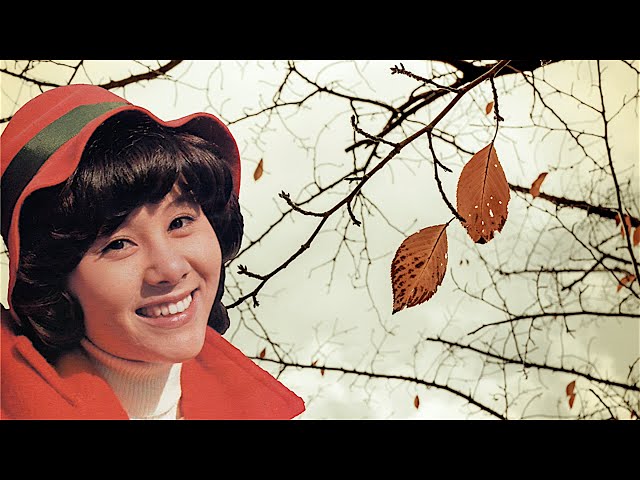
Mari Amachi, who was a national idol in the early 1970s.
This song, included as the B-side of the single “Futari no Nichiyoubi,” released in December 1972, warmly depicts lovers intertwining their fingers and snuggling close as a wintry, leafless avenue is swept by a cold wind.
The lyrics are by Michio Yamagami, the music by Masayuki Hirao, and the arrangement by Shunichi Makaino.
The words, which sing of love nurtured in the cold season, combine with Amachi’s clear, transparent voice to evoke a sense of hope amid the poignancy.
Featured on a single that sold about 440,000 copies at the time, the track was also included on the album “Ashita e no Melody” and has continued to be loved by fans.
Give it a listen while imagining a moment spent with someone special on a chilly day.
Let me have that wonderful love once moretenchi mari

The signature song by Mari Amachi, released in 1971, is a classic created by the duo Kazuhiko Kato and Osamu Kitayama.
While it nostalgically reflects on lost love, it also carries a message encouraging a fresh start in life.
With its gentle, soothing melody and lyrics that are bittersweet yet forward-looking, it captured the hearts of many listeners.
This work is one of the songs that cemented Mari Amachi’s popularity, contributing to her appearances at NHK’s Kōhaku Uta Gassen three times from 1972 to 1974.
It’s a recommended track for those who’ve experienced heartbreak or want to immerse themselves in memories of the past.
Windmill of Lovetenchi mari

The song included on the 1974 album “Koi to Umi to T-shirt to / Koibitotachi no Minato” was originally sung by the then-popular duo Cherish and later covered by Mari Amachi.
With lyrics by Haruo Hayashi and music by Kyohei Tsutsumi, this classic portrays the feelings of two people in love by likening them to the wind.
The lyrics, which vividly conjure up an image of lovers bathed in a breeze of happiness, pair beautifully with Mari Amachi’s pure, translucent vocals.
Amachi appeared on the NHK Kohaku Uta Gassen three years in a row from 1972 to 1974.
This song can truly be said to showcase her charm to the fullest.