

Cool! Introducing classic masterpieces of Argentine tango

Argentine tango, the musical style that represents Argentina.
Although Argentine tango is widely known as a genre, it isn’t actually a clearly defined one.
Originally, it was more of a form, without a strict genre definition.
However, its wistful, melancholic melodies grew popular, and recognition of it as a genre spread to what we know today.
Here, we’ve gathered famous pieces of Argentine tango.
We’ve also selected contemporary Argentine tango, so please enjoy to the end!
[Cool and Classy!] Introducing Classic Argentine Tango Masterpieces (1–10)
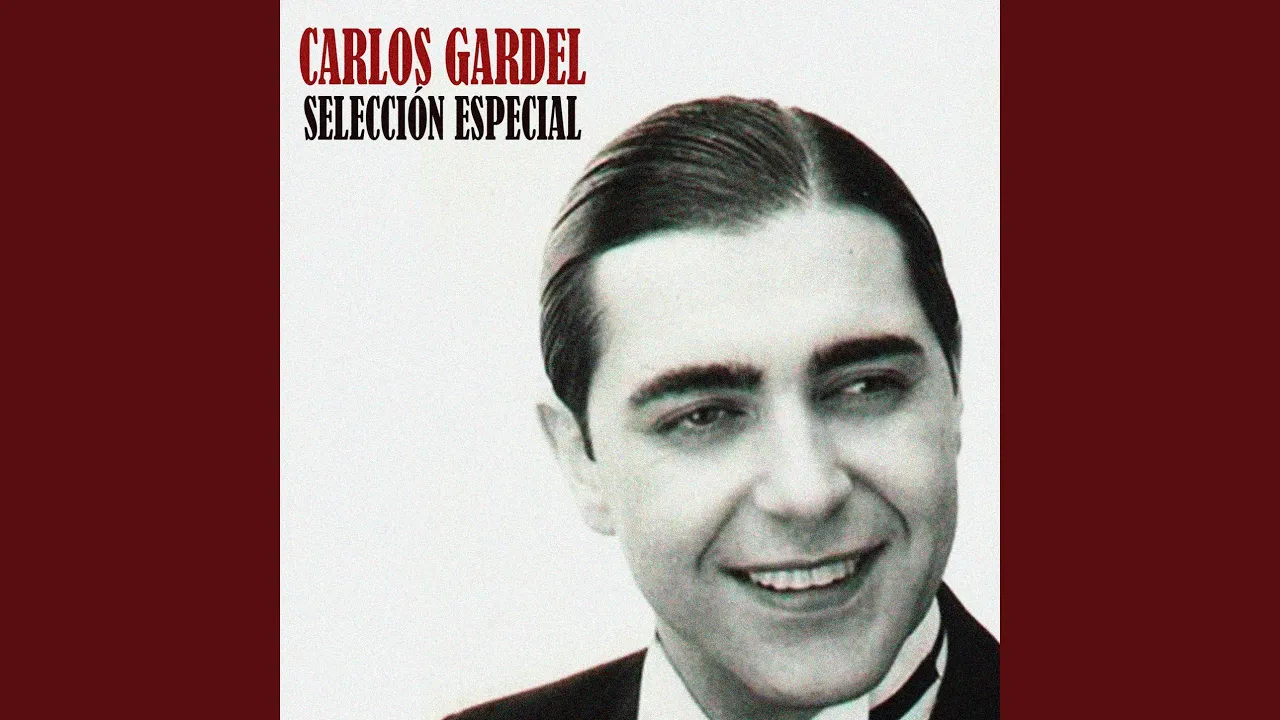
Por una CabezaCarlos Gardel

When people think of Argentine tango, many probably imagine Por una Cabeza.
Although Argentine tango may seem to have a long history, this particular piece can’t exactly be called old.
Composed in 1935 by Carlos Gardel, it has been featured across various media.
The contrast between its passionate chorus and elegant verse is especially striking, so be sure to give it a listen.

Mi Buenos Aires queridoCarlos Gardel

Carlos Gardel was one of the key figures who propelled Argentine tango onto the world stage.
His presence looms large in the history of the genre; by producing numerous hit songs, he helped elevate Argentine tango from a mere musical form to a recognized genre.
Among his works, “Mi Buenos Aires querido” is especially popular.
It exudes an elegant melody and the characteristic sense of melancholy that defines Argentine tango.
Cafetín de Buenos AiresEdmundo Rivero
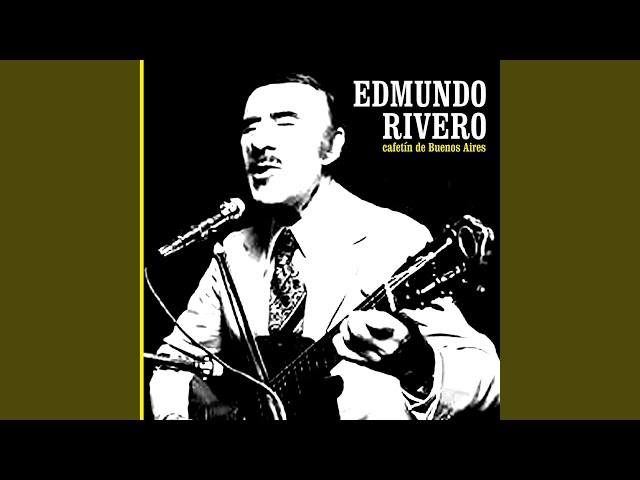
Edmundo Rivero, an Argentine tango singer who gained popularity for his gentle singing style.
Though his voice is low and masculine, his delivery is remarkably soft, making his vocals very easy to listen to.
Among his works, the one I especially recommend is Cafetín de Buenos Aires.
It’s a piece steeped in melancholy, and his gentle vocals create a wonderful atmosphere.
If you’re new to his music, be sure to start with this song.
Jamás RetornarásMiguel Caló

Miguel Caló is one of the greatest composers in Argentine tango.
As a leading figure of Argentine tango orchestras, he released many works that remain popular today.
Among them, one piece that has garnered particular acclaim is “Jamás Retornarás.” It’s a refined, moody track with a luxurious melody.
The soft vocals of Raúl Berón create a striking contrast with the weighty instrumentation, which is especially memorable.
Toda Mi VidaAníbal Troilo

Suddenly, but do you know about the Golden Age of Argentine tango? Argentine tango is a genre with devoted fans around the world, and it has always been especially popular in Spanish-speaking regions.
However, the popularity it enjoyed in the 1930s was on a whole different level compared to today, with numerous classic songs becoming hits.
One of those classics is “Toda Mi Vida.” With its quintessential sound, it’s perfect for anyone who wants to savor orthodox, old-school Argentine tango.
Al Compás de un TangoLucio Demare
Argentine tango often has a strong image of being traditional and highbrow, but it has also been used in films.
Lucio Demare, the composer of “Al Compás de un Tango,” was the younger brother of film director Lucas Demare and wrote music for his brother’s movies.
As a result, he is one of the composers most familiar to Argentinians, and his masterpieces continue to be featured across various media even today.
This piece is particularly popular, with a brilliant melody well-suited to film music.
Pa’ BailarJulieta Venegas y Bajo fondo
There’s a genre of tango known as neo-tango.
Essentially, it’s tango with a modern twist, though there are also forms of neo-tango that clearly extend from Argentine tango.
One example is “Pa’ Bailar,” a piece by the Argentine tango band Bajofondo featuring the Japanese musician Ryota Komatsu.
It’s a sophisticated track in which the grit and melancholy of Argentine tango subtly shine through its contemporary freshness.