

Music you want your baby to listen to: classical, sleep music, nursery rhymes, and BGM.

We’ve gathered music you’ll want to play for your baby.
We’ll introduce a variety of options: sleep music perfect for bedtime, classical music that supports brain development, Japanese children’s songs, and background music that makes time with your baby more enjoyable.
Life with a baby can be more challenging than you expect.
Many moms and dads may find they barely have time to sleep and can’t catch a break.
In those moments, try relying on music that can ease the burden of putting your baby to sleep or make little pockets of time more enjoyable.
- [Baby Sleep Music] Soothing music/BGM that lulls your baby to sleep
- Nursery rhymes to sing to your baby! Recommended songs enjoyable from 0 months
- [Lullabies] Classical music you’ll want your baby to hear: Sleep music
- Lullabies of the World: Beloved and Popular International Songs That Soothe Children
- Music That Soothes a Crying Baby | Recommended Songs to Lull Them into a Comfortable Sleep
- Songs of Studio Ghibli: List of Theme Songs, Insert Songs, and BGM from Ghibli Music
- Music that’s good for prenatal care: classic masterpieces and popular recommended songs to help mom and baby relax
- [Lullabies] Gentle songs to help babies sleep — soothing lullabies for your little one
- [Children's Songs] Cute songs recommended for childcare. List of popular nursery rhymes.
- Recommended classical masterpieces for BGM. Soothing classical music.
- A highly popular sound used in baby posts on TikTok
- [Lullaby] Gentle masterpieces that soothe the heart—music box melodies to help your baby sleep soundly
- Lullabies: children's songs, folk songs, and nursery rhymes. Nostalgic songs for putting children to sleep.
Music I want my baby to listen to: classical, sleep music, nursery rhymes, and BGM (11–20)
Always With MeJiburi
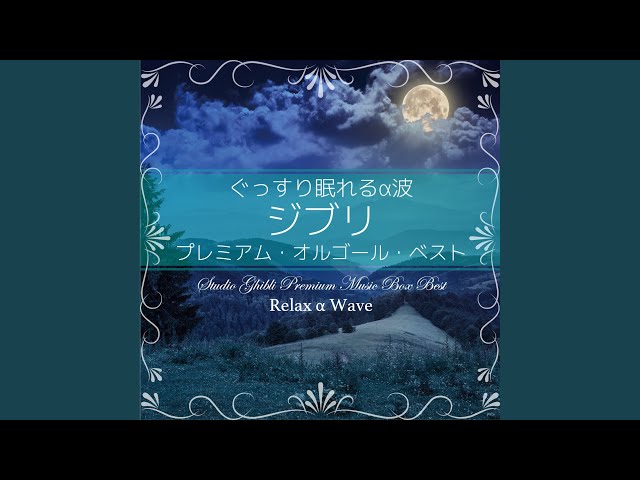
The ending theme of Studio Ghibli’s Spirited Away, which, since its 2001 release, held Japan’s all-time box office record for nearly two decades.
It’s the debut single by Yumi Kimura, a female singer from Osaka Prefecture.
Accompanied by a lyre—a harp-like instrument—her gentle, self-accompanied performance is a perfect fit for the film’s closing.
The relaxed waltz (3/4) rhythm rocks like a cradle, sure to lull babies to sleep.
It’s a great lullaby-style track to play for little ones who have trouble nodding off.

Waltz of the PuppiesFurederikku Shopan

Waltz No.
6 in D-flat major, Op.
64-1 by Frédéric Chopin—known by the nickname “Minute Waltz” or “Waltz of the Little Dog”—is a representative work of early Romantic music from Poland’s foremost composer.
It is said to have been composed improvisationally, musically depicting the image of his lover’s puppy, which habitually spun in circles chasing its own tail.
The rapid piano phrases conjure up a picture of a puppy playing innocently.
It’s a bright, mood-lifting classical number—perfect as background music when playing with a baby.
Piano Sonata No. 11 in A majorVorufuganggu Amadeusu Mōtsaruto
A piece by the Austrian composer Wolfgang Amadeus Mozart, whose Third Movement, the “Turkish March,” is especially famous in Japan.
Incorporating the Turkish vogue that was popular at the time it was composed, it features a lively rhythm reminiscent of military band percussion that really sticks in your ear.
In Japan, it’s one of the first pieces that comes to mind when people think of classical music, and its rapidly shifting major and minor tonalities stimulate a baby’s sensitivity and enrich the heart.
It’s a classic number you’ll want your baby to hear from an early age, suitable both as background music for playtime and as a lullaby.
hometowndōyō
Published in 1914 as an elementary school song, this piece sings of loving the natural surroundings of one’s birthplace and of continuing to cherish one’s hometown even when away for study or work.
It could truly be called a song that represents the spiritual hometown of the Japanese people and is beloved across generations.
Of course, babies won’t understand the meaning of the lyrics, but I believe there is great value in letting children hear such songs from an early age.
Its gentle tempo and beautiful melody will surely reach a baby’s heart.

It’s a Small World (Small World)Dizunī

A Disney song well-known in Japan under the title “Chiisana Sekai” (“Small World”).
It is the theme song for the attraction “it’s a small world” found at Disney parks around the world, and although it was composed for the attraction, it’s beloved as one of the quintessential songs that symbolizes Disney.
It’s also interesting that the song was originally a slow ballad, but at Walt Disney’s request it was rearranged into a cheerful, uptempo version.
Its exciting melody makes babies feel happy, making it a perfect number for background music during playtime.
Amazing Gracesanbika

A hymn written by the English clergyman John Newton, expressing remorse for his involvement in the slave trade and gratitude for God’s love.
The song has been covered by artists around the world, and in Japan, the versions by Hayley Westenra—used as the ending theme for the 2003 TV drama “The Great White Tower” (Shiroi Kyotō)—and by the late singer Minako Honda, who passed away in 2005, are particularly well known.
Though it repeats a short melody, its sublime, reverent tune soothes babies and fills listeners with a sense of richness.
It’s also recommended as a lullaby that lets one fall asleep wrapped in great love.
Music you’ll want your baby to listen to: classical, sleep music, nursery rhymes, and BGM (21–30)
Overture to The Barber of SevilleGioachino Rossini

It is the opening piece of Rossini’s opera The Barber of Seville, a beloved Italian composer, expressing the comedic tone of the story that follows.
In the latter half, the strings gradually build in intensity, filling the listener with excitement.