

Play ballet music on the piano! A curated selection of exquisite masterpieces that color iconic scenes

Ballet, with its dancers in beautiful costumes and their dazzling, elegant movements, is truly captivating.
Beyond the dance itself, the music—essential to the unfolding of each story—is also incredibly appealing, filled with melodies that linger in the memory.
This time, we’ve selected only the most famous pieces from the world of ballet music—masterworks that even those not familiar with ballet have likely heard somewhere.
Alongside piano performance videos, we’ll share the background and allure of each piece.
While ballet music is typically performed by an orchestra, some of the works we’ll introduce here include arrangements for solo piano based on the original ballet scores.
Enjoy exploring the world of ballet while appreciating the differences from the originals!
- [For Elementary School Students] Brilliant, Showy Masterpieces That Sound Impressive at Piano Recitals
- [Intermediate Level] Cool Piano Pieces You Can Play [Great for Recitals Too]
- Masterpieces of Ballet Music: Introducing Classic Favorites
- Masterpieces of classical piano that are too beautiful for words. A gathering of delicate tones that cleanse the soul.
- [Masterpieces of the Waltz] A comprehensive introduction to classic works written for the piano!
- Today's Piano: Masterpieces and Popular Pieces Woven with Delicate Tones
- [Intermediate] Recommended Piano Duets | A Curated Selection of Cool and Dazzling Pieces
- Piano Masterpieces: Surprisingly Easy Despite Sounding Difficult!? A Curated Selection Perfect for Recitals
- [Classical Music] All pieces under 3 minutes! A collection of short and cool piano pieces
- [Low Difficulty] Recommended Tchaikovsky Piano Pieces [Intermediate]
- [Intermediate Level] A curated selection of piano masterpieces featuring strikingly brilliant melodies!
- Poignant and beautiful! A collection of recommended piano pieces
- Sounds awesome on the piano too! A curated selection of masterpieces where the violin takes center stage
Let's play ballet music on the piano! A carefully selected collection of gem-like masterpieces that color iconic scenes (1–10)
‘Sabre Dance’ from the ballet GayaneAram Khachaturian

Aram Khachaturian is an Armenian composer who epitomized the Soviet era.
The excerpt Sabre Dance from his signature ballet Gayane captivates audiences with its unrelenting energy and tension.
Composed in 1942, the piece gained popularity in the West after World War II.
It exists in numerous arrangements for different instruments and has been used as background music in films and television shows.
Of course, it’s frequently performed on piano as well and is a favorite for recitals.
Brimming with passion and imbued with an homage to Armenian folk music and dance, this piece is highly recommended for anyone interested in ballet or folk dance.
Invitation to the Dance, Op. 65Carl Maria von Weber

Carl Maria von Weber, an early figure in German Romantic music, played a decisive role in the development of German Romantic opera.
Invitation to the Dance, Op.
65—also known as the Brilliant Rondo—is one of his piano works and a perennial favorite.
Composed in 1819 for his wife Caroline and first published in Paris in 1821, the piece takes the form of a set of waltzes with an introduction and coda, depicting a dramatic narrative.
Beyond the refinement and passion required to align the delicate notes elegantly, the work is also notable for its many arrangements, including Berlioz’s orchestral version.
Scheherazade, Op. 35Nikolai Rimsky-Korsakov

Nikolai Rimsky-Korsakov, known as a member of the Mighty Handful, left numerous operas rich in folk color and brilliantly orchestrated orchestral works.
His masterpiece Scheherazade, Op.
35, is a symphonic suite completed in 1888, themed on the tales of The Arabian Nights.
Using vivid orchestration and solo violin, the work skillfully depicts the world of the stories.
Its four movements each portray a different tale, stimulating the listener’s imagination.
This piece continues to captivate audiences with its musical beauty and narrative quality, and it can be regarded as a masterpiece that showcases Rimsky-Korsakov’s creativity and craftsmanship.
Let's Play Ballet Music on the Piano! A Selection of Exquisite Masterpieces That Illuminate Iconic Scenes (11–20)
Wedding March from A Midsummer Night’s Dream, Op. 61 (incidental music)Felix Mendelssohn

Felix Mendelssohn was a German composer who represents the early Romantic era.
His works are known for honoring the Classical style while incorporating the emotion and imagination of Romanticism.
A Midsummer Night’s Dream, Op.
61, published in 1842, is one of his notable works, and the Wedding March in particular is widely loved as background music for weddings.
The piece is characterized by its brilliant, majestic melody, evoking the cheerful shouts of fairies and the happiness of lovers.
Why not enjoy this masterpiece—an elegant musical expression of the dreamlike world Mendelssohn paints—through a piano performance as well?
Waltz from the ballet music Swan LakePyotr Tchaikovsky

Pyotr Ilyich Tchaikovsky, one of Russia’s foremost composers, left behind numerous masterpieces of ballet music, including Swan Lake, The Sleeping Beauty, and The Nutcracker.
Many of his ballet pieces have been arranged for solo piano; among them, the Waltz from Swan Lake is especially popular.
While the original is performed by an orchestra, the piano version is characterized by its lively rhythm and elegant melody.
Be sure to compare it with the original and explore expressions unique to the piano.
Practice diligently so you can perform this sprightly waltz with joy and brilliance!
Giselle’s Variation from the ballet music “Giselle”Adolphe Adam

Adolphe Adam was active in the 19th century as a French composer, music teacher, and music critic.
From his masterwork, the ballet Giselle, the heroine’s important solo, Giselle’s Variation, is striking music that heightens the story’s climax.
Set in a medieval German village, it tells a tragic love story in which the kind-hearted village girl Giselle dies after her lover’s betrayal, becomes a Wili, and ultimately saves him.
The piece expresses the heroine’s pure love and sorrow, as well as her strong will.
In particular, the phrases that convey Giselle’s innocence and joy in dance likely symbolize her humanity.
Kitri’s Variation from the ballet Don QuixoteLéon Minkus
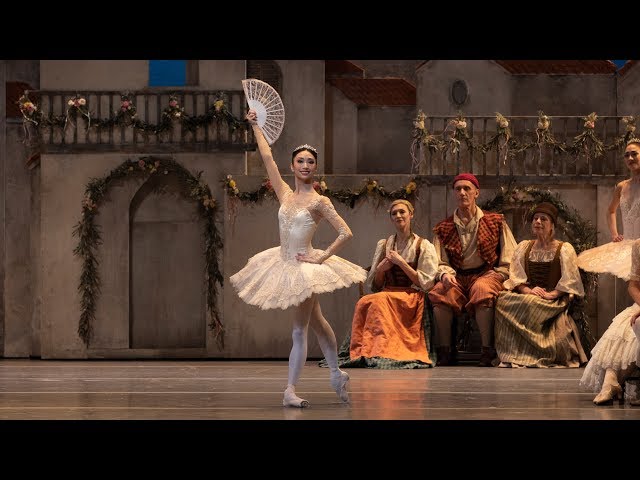
Ludwig Minkus, a composer born in Austria who was active in Russia.
His most famous works include ballet scores such as Don Quixote, La Bayadère, and Paquita.
From Don Quixote, Kitri’s Variation is a striking piece characterized by Spanish-style rhythms and melodies, expressing the courage and passion of the heroine Kitri.
The piece is also known for placing high technical demands on the ballerina, brilliantly portraying Kitri’s distinctive character and story through music and dance.
It is a recommended piece not only for ballet fans but also for classical music enthusiasts.