

Great Black Music: Recommended Masterpieces


The great achievement of Black music is not only that it gave birth to genres like jazz, blues, gospel, and soul.
It has also been a wellspring of inspiration for legendary songs in the histories of rock and pop, and it is the most influential force on musical genres since the 20th century—an influence that continues unbroken into the 21st century and beyond.
To explore the roots of this magnificent Black music, this time we’re researching classic tracks mainly from the soul and R&B realm spanning the 1960s to the 1990s.
In the latter half, we also introduce more recent songs, so whether you love the latest hip-hop and R&B or aren’t very familiar with Black music, this is a must-check!
- Legends of soul music: its history and allure revisited through classic songs
- [US] Great Hip-Hop Classic
- Western R&B Popularity Rankings [2026]
- Classic and Contemporary Hits in Western R&B: From the Newest Popular Tracks to All-Time Big Hits [2026]
- A masterpiece of Japanese black music. A noteworthy work embodying the soul of black music.
- [Western Music] A landmark masterpiece in hip-hop history! A fundamental album you should know
- [2026] Best Western R&B Love Songs and Romance Songs Compilation
- [Definitive Edition] Masterpieces of 70s Disco Music
- The Latest: A Quick Guide to Trends in Western R&B Music (2026)
- Gospel singers of the world. Masterpieces of gospel music, recommended popular songs.
- [Hip-Hop Classics] Timeless HIPHOP / Golden Oldies
- Nothing but famous and hit songs! K-pop tracks recommended for Gen Z
- Today's R&B: A curated playlist packed with classic hits!
Great Black Music: Recommended Masterpieces (1–10)
I Love You More Than You’ll Ever KnowDonny Hathaway

Danny Hathaway, a leading artist of the neo-soul movement that boomed in the 1970s.
Although racism against Black people was severe in America at the time, his family was affluent, and he studied classical music and more from a young age.
As a result, he harbored no prejudice against white people and released many covers of white artists—something virtually unprecedented then.
His original works were also highly acclaimed, and his elegant, classically informed musicality can be considered truly unique.
This track, “I Love You More Than You’ll Ever Know,” is a soul rendition that lets you savor his distinctive musical style.

SuperstitionStevie Wonder
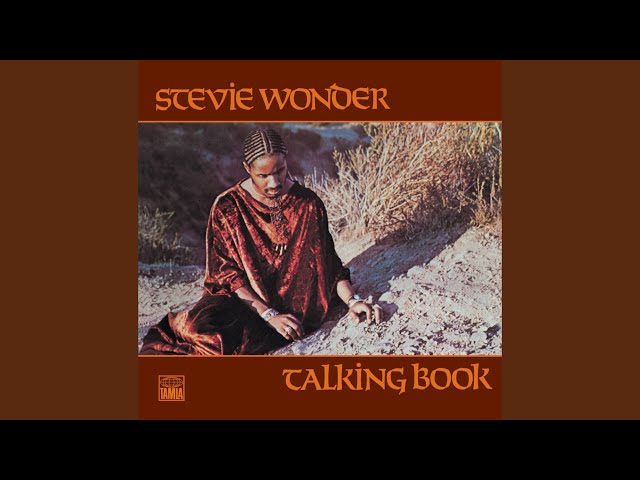
New Soul, which became a huge boom in the 1970s.
Stevie Wonder, who today boasts worldwide recognition as an artist, was known in the 1970s as a leading figure of New Soul.
As you know, his musical style is highly distinctive and can’t be described as simple soul music.
His song “Superstition” exemplifies those qualities: it’s an impressive piece that blends a reggae-like sound with soulful vocals interwoven with numerous vocal embellishments (feints).
Bring It On Home to MeSam Cooke

In the history of soul music, sadly, legendary singers who passed away young are not few, and Sam Cooke, the subject of this article, is one of them.
Having met a tragic end at the age of just 33, Cooke possessed striking good looks, a natural singing voice, and a distinctive vocal style, with which he produced many hit songs from the late 1950s to the early 1960s.
More than just a musician, he was highly conscious of racial issues: he founded a music publishing company and a record label to manage the rights to his own works and to protect the rights of Black musicians, and he was actively involved in the civil rights movement.
The influence Cooke exerted on later artists thus extended far beyond musical style.
One notable example is his 1962 release and hit “Bring It On Home to Me,” which was covered just three years later by the British rock band The Animals and, in the same year, by fellow Britons The Zombies—evidence that the song was embraced by white groups from the start.
Since then, countless artists and bands have covered it, and it has become a famous standard number that continues to be loved across generations.
Cooke himself wrote both the lyrics and the music, and the song’s beautifully wistful melody has never lost its luster—once again highlighting Cooke’s outstanding talents as a songwriter.

Great Black Music: Recommended Classics (11–20)
Purple RainPrince

Prince, the American artist who gained worldwide popularity for his originality and genre-defying musical style, was active throughout the 1980s and was often discussed as a counterpart to Michael Jackson at the time.
Among his works, the greatest is surely Purple Rain.
Crafted as a distinctive ballad, it went on to have a profound influence on later artists, including D’Angelo’s classic Untitled.
TreasureBruno Mars

Bruno Mars’s smash modern funk song, “Treasure.” Many of you have probably heard this classic on TV or the radio.
With its snappy funk rhythm and danceable vocals, it’s a track that’s perfect for getting you moving.
The mirror ball, the bright red jacket, and the 80s-inspired fashion are pure funk.
And as some of you may know, the video’s visual effects—drawing inspiration from Earth, Wind & Fire’s music videos—are especially fun to watch.
HumbleKendrick Lamar

“HUMBLE.” stands out with lyrics themed around a quintessential hip-hop rise to the top.
Kendrick Lamar’s background is astounding, and his lyrics—expressing his raw, real life—are a must-hear.
The track has a very powerful, impactful sound, so once you listen, it’s guaranteed to stick in your head.
What’s Going OnMarvin Gaye

On January 20, 2021, the state of Michigan in the United States established “What’s Going On Day.” Marking the 50th anniversary of the release of Marvin Gaye’s timeless classic “What’s Going On” on the same day in 1971, it served as a reminder of the song’s historical significance as a literal “soul record” that advocates for peace, universal love, and unity.
In 2019, the first official music video was created by director Savannah Leaf, and in these turbulent times, “What’s Going On” continues to offer guidance on what truly matters.
It is undoubtedly one of the greatest legacies born from Black music.
Even if one doesn’t know much about Marvin Gaye himself, nearly everyone has heard “What’s Going On” at least once somewhere.
As noted, it was released as a single on January 20, 1971, by the prestigious Motown label and became a massive hit, later becoming a standard covered by many subsequent artists.
Gaye contributed to both the lyrics and composition, and the song was strongly influenced by the social climate of the time as well as letters he received from his younger brother, who had been sent to the Vietnam War.
Musically, it features a highly refined sound with flowing strings, a romantic saxophone tone, and a bass line that creates a distinctive groove—an excellent number born from superb production and ensemble work.
While Gaye’s vocals are relatively relaxed and gently conversational, he appeals to us listeners in the face of harsh realities, asking, “What’s going on?” In today’s deeply troubled world, we hope you’ll listen anew to the song’s urgent message.