

Great Black Music: Recommended Masterpieces


The great achievement of Black music is not only that it gave birth to genres like jazz, blues, gospel, and soul.
It has also been a wellspring of inspiration for legendary songs in the histories of rock and pop, and it is the most influential force on musical genres since the 20th century—an influence that continues unbroken into the 21st century and beyond.
To explore the roots of this magnificent Black music, this time we’re researching classic tracks mainly from the soul and R&B realm spanning the 1960s to the 1990s.
In the latter half, we also introduce more recent songs, so whether you love the latest hip-hop and R&B or aren’t very familiar with Black music, this is a must-check!
- Legends of soul music: its history and allure revisited through classic songs
- [US] Great Hip-Hop Classic
- Western R&B Popularity Rankings [2026]
- Classic and Contemporary Hits in Western R&B: From the Newest Popular Tracks to All-Time Big Hits [2026]
- A masterpiece of Japanese black music. A noteworthy work embodying the soul of black music.
- [Western Music] A landmark masterpiece in hip-hop history! A fundamental album you should know
- [2026] Best Western R&B Love Songs and Romance Songs Compilation
- [Definitive Edition] Masterpieces of 70s Disco Music
- The Latest: A Quick Guide to Trends in Western R&B Music (2026)
- Gospel singers of the world. Masterpieces of gospel music, recommended popular songs.
- [Hip-Hop Classics] Timeless HIPHOP / Golden Oldies
- Nothing but famous and hit songs! K-pop tracks recommended for Gen Z
- Today's R&B: A curated playlist packed with classic hits!
Great Black Music: Recommended Masterpieces (21–30)
Cross Road BluesRobert Johnson

Speaking of Robert Johnson, he is such a renowned blues singer that he can be spoken of as a legend, and he has etched his name as an important artist in the history of rock as well.
Johnson, who passed away at the young age of 27, left behind a life full of legends, including the so-called “Crossroads legend,” the tale that he sold his soul to the devil to gain his guitar skills.
His 1937 release Cross Road Blues is a song with a truly demonic allure, featuring fierce slide guitar and vocals that seem imbued with the magic of the blues.
Eric Clapton’s famous reinterpretation on electric guitar from his time with Cream is also well worth checking out alongside the original!

The Tracks Of My TearsSmokey Robinson & The Miracles
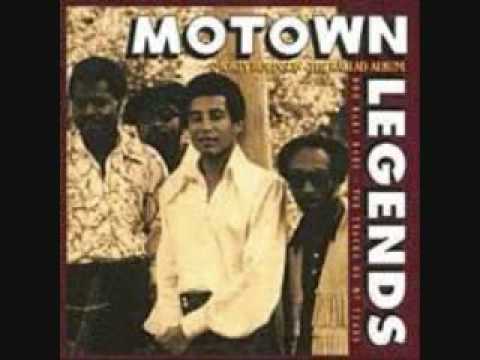
Smokey Robinson, the musician who helped spark the founding of Motown.
After he began performing with the Miracles, their momentum only grew, and they released a string of classic songs.
Among them, the standout I especially recommend is “C.A.” Released in 1965, the track clearly contains many elements that would later fuel the New Soul boom of the 1970s.
It’s an essential song for understanding the history of Black music.
Be sure to check it out!

SorryBeyoncé

Beyoncé has released many catchy songs, but “Sorry” stands out with a particularly distinctive sound among her tracks.
In the middle, it features an Asian-flavored vocal riff and shifts into rap-like melodies—overall, it’s a curveball of a song.
Highly recommended for those who want to listen to edgy, characterful Black music.
One LoveBob Marley

Bob Marley’s classic song “One Love.” In contrast to its warm, gentle melody, the lyrics sharply probe what it means to be human, and their excellence has earned the song respect from listeners around the world.
If you don’t understand English, be sure to read the Japanese translation of the lyrics.
This Is AmericaChildish Gambino

Childish Gambino has produced numerous hit songs.
Among them, This Is America is one of his most popular tracks and is widely supported by many Americans.
The uniquely distinctive lyrics reflect his multifaceted talents as a screenwriter and comedian.
Straight Outta ComptonN.W.A
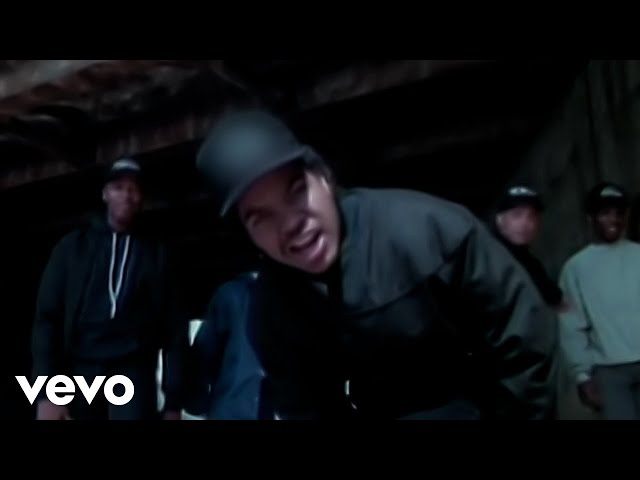
It’s no exaggeration to say there isn’t a head out there who doesn’t know it.
Straight Outta Compton is famous as a West Coast hip-hop staple and has been registered by the Library of Congress as a culturally significant record.
Highly recommended for anyone who wants to hear classic West Coast hip-hop.
a lot ft. J. Cole21 Savage

This is “A Lot,” a collaboration by 21 Savage, who burst onto the scene in 2017 and quickly became a popular rapper, featuring J.
Cole.
It’s included on his 2018 album I Am > I Was.
The lyrics feel like snapshots of the lives of people he’s seen.
Be sure to read them while watching the music video.
