

A roundup of famous jazz standards featured in the hugely popular jazz manga BLUE GIANT

BLUE GIANT is a hugely popular jazz-themed manga that ran in Big Comic from 2013 to 2016.
After the European arc, its third American arc is currently being serialized as of 2023.
Many people first learned about the series thanks to the theatrical anime adaptation released on February 17, 2023, which received rave reviews and sparked such a response that it created repeat viewers.
Praised as a work where you can “hear the sound from the drawings,” BLUE GIANT features powerful artwork and, befitting its jazz theme, includes many classic jazz standards throughout the story.
In this article, we’ll introduce the jazz masterpieces loved by the characters—especially with jazz beginners in mind!
- [Start Here] Jazz Masterpieces: A Must-Listen Album Selection
- A compilation of jazz insert songs and covers from anime
- Introduction! A collection of recommended masterpieces and standard numbers for jazz beginners
- Classic swing jazz tunes. Recommended popular songs.
- [2026] Jazz piano masterpieces: from standards to recent favorites
- Welcome to the world of "Vocalo Jazz" [VOCAJAZZ]
- [Jazz Intro] Classic Jazz Tracks Recommended for First-Time Listeners
- [2026] Discover Today's Jazz! A Roundup of the Latest Spotlight and Popular Tracks
- An Introduction to Jazz for Adults: The Recommended Jazz Manga BLUE GIANT
- The Profound Allure of the Saxophone: Iconic Songs Featuring Saxophone [2026]
- [2026] Introducing recommended jazz medley videos!
- [2026] Jazz BGM: A collection of recommended classics for work and study
- [Autumn Jazz] Classic and Popular Jazz Songs to Enjoy in the Fall
Summary of Jazz Masterpieces Featured in the Popular Jazz Manga “BLUE GIANT” (11–20)
Fly With the WindMcCoy Tyner

McCoy Tyner, a legendary pianist in jazz history, was a great musician who began his career in the 1950s and continued to lead the scene for many years until his passing in 2020 at age 81.
In BLUE GIANT, the piece performed during practice by the protagonist Dai Miyamoto, the virtuoso pianist Yukinori Sawabe, and the novice drummer Tamada is the title track from McCoy’s classic 1976 album Fly With The Wind.
It’s remarkable that a beginner tackled an over-eight-minute piece right off the bat—and that the original drummer on the recording was the ultra-technical Billy Cobham.
By the way, the original features flute rather than saxophone, and is distinguished by a flowing, opulent ensemble with added strings!

A Night In TunisiaArt Blakey & The Jazz Messengers

In BLUE GIANT, the scene where the protagonist Dai Miyamoto meets Yui—who later becomes his saxophone mentor—is one of the key moments in the story.
Yui, who originally aspired to be a sax player himself, prompts Dai by saying, “You’ve got a tune you always play, right?” Dai chooses A Night in Tunisia.
It’s a very famous jazz standard; many people will recognize it by its Japanese title, Chūnijiya no Yoru.
The piece was co-composed by trumpeter Dizzy Gillespie—often cited, alongside Charlie Parker, as a founder of modern jazz—and pianist Frank Paparelli.
It has been covered by countless jazz musicians and is also well known as a vocal number with lyrics.
In this article, we highlight the rendition by Art Blakey & the Jazz Messengers, which is particularly renowned among the cover versions, but we encourage you to dive deeper and explore other great performances by different musicians as well.
Star EyesCharlie Parker

A masterpiece written and composed by Don Raye and Gene De Paul, Star Eyes was performed by the Jimmy Dorsey Orchestra in the 1942 film I Dood It, but the most famous rendition is surely Charlie Parker’s.
His saxophone playing—bright yet tinged with grit and melancholy—is simply breathtaking.
It also carries a slightly hard-boiled atmosphere.
It’s a very accessible piece for jazz beginners, so be sure to check it out.

Cheese CakeDexter Gordon
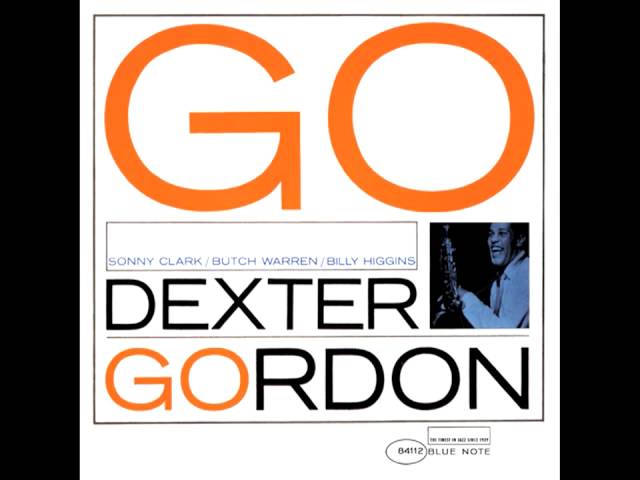
Dexter Gordon’s masterpiece, A Swingin’ Affair.
He himself has declared this classic his finest work—a true masterpiece among masterpieces.
This piece is a track included on Cheese Cake.
Its greatest allure is, above all, the tenor saxophone that exudes a hint of sweetness.
Delicate yet edged with a slightly tart sharpness, the performance continues to enjoy enduring popularity in the jazz world today.
Most of all, since the album A Swingin’ Affair that features this track is superb, be sure to listen to it straight through.
AvalonBenny Goodman Quartet
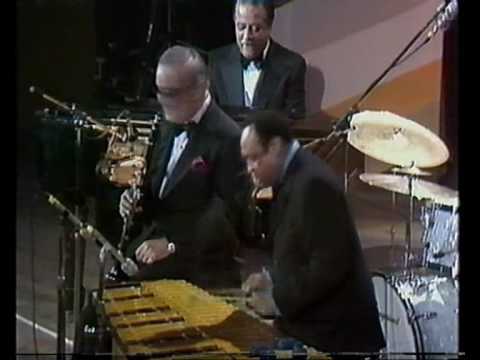
A masterpiece that cannot be overlooked when talking about Benny Goodman: “Avalon.” It also appears in the film The Benny Goodman Story and is known as a piece that symbolizes Goodman and his wife, Hampton.
Interestingly, this work is also famous for allegations of plagiarism.
It features a phrase that closely resembles the aria “E lucevan le stelle” from Act III of Puccini’s opera Tosca.
Of course, it remains a great work of jazz, offering the chance to savor Goodman’s dramatic clarinet.
My BuddyChet Baker

Chet Baker’s hidden gem, “My Buddy.” He has more famous recordings, but the very fact that Shinichi Ishizuka, the author of BLUE GIANT, chose to highlight this one speaks to his refined taste.
The allure of this piece lies in its hard-boiled mood.
Another charm is its versatile lyrics, which can be read as expressing friendship, romance between a man and a woman, or romance between people of the same sex.
It’s the perfect work to enjoy while reading a hard-boiled novel and knocking back a gimlet.
Summary of Famous Jazz Standards Featured in the Hit Jazz Manga “BLUE GIANT” (21–30)
CherokeeClifford Brown

“Cherokee” is a famous jazz standard composed by British songwriter Ray Noble, and it’s said to be originally based on a love story handed down among the Cherokee, a Native American people.
In the jazz world, “Cherokee” has been known since the bebop era as a piece where musicians pit their technical prowess against one another, with legendary players like Charlie Parker and Clifford Brown taking it on.
In the story, Dai Miyamoto performs this tune at the venue “JAZZ BAR Bird.” While this article highlights the well-known version by the aforementioned Brown, it’s also fun to compare it with performances by other jazz players!