

A roundup of the greatest Western blues artists in history

Even if you’ve never really listened to the genre called “the blues,” if you love music you’ve surely heard expressions like “bluesy.” The world of the blues—often said to be the origin of major genres like jazz and rock—is truly profound, and once you get hooked, it’s hard to escape its charm.
This article spotlights artists who represent the blues, presenting a roundup of greats, each with a powerful individuality and memorable stories.
Whether you’re interested in the blues or you’re a rock fan, be sure to check it out!
- [2026] Masterpieces of Blues Rock: Recommended Albums You Should Listen to at Least Once
- Roundup of Famous Overseas Blues Guitarists
- [Western Music] Classic Blues Rock Songs: A Summary of Recommended Popular Tracks
- A roundup of great soul music singers and artists
- Ranking of popular blues songs
- Recommended for rock fans too! — A classic album of modern blues
- Masterpiece Japanese Blues Albums: Must-Listen Recommendations
- [For Beginners] A Collection of Famous and Popular Delta Blues Songs
- A roundup of popular Western blues bands—also recommended for rock fans!
- A classic of Japanese blues. Japanese blues that lets you get drunk on the sound and vocals.
- The depth of guitar sound. A collection of songs with cool guitar.
- A roundup of famous jazz standards featured in the hugely popular jazz manga BLUE GIANT
- Blues masterpieces—from prewar blues to blues rock
A roundup of the greatest Western blues artists in history (11–20)
Baby, Please Don’t GoLightnin’ Hopkins
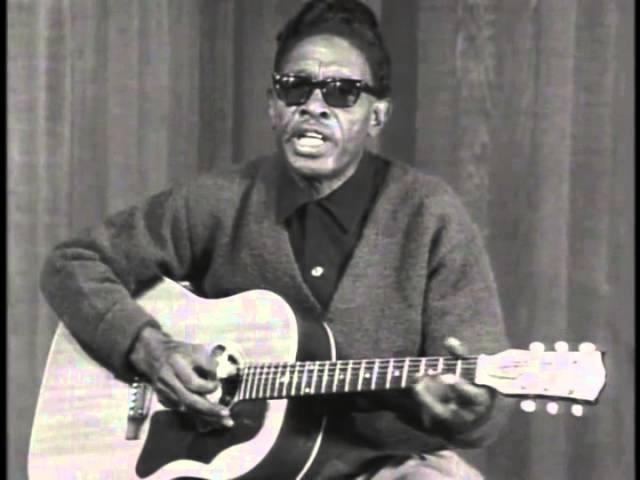
Lightnin’ Hopkins, hailing from Texas, was a masterful singer, songwriter, and guitarist who made his mark in country blues and Texas blues, releasing over 80 albums over the course of his life.
Born in 1912, Hopkins began performing in the late 1920s and made his recording debut in 1946 with “Katie Mae Blues.” His distinctive fingerstyle guitar, witty lyrics, and powerful, self-assured vocals were central to his appeal.
During the folk-blues revival of the 1960s, he performed at venues such as Carnegie Hall, captivating a wide range of audiences.
He’s a must-listen not only for blues enthusiasts but also for rock fans.
In conclusion
As I mentioned at the beginning, even people who like Western music often feel a bit intimidated by the blues, but if you trace rock back to its roots, it inevitably leads to the blues. There are also many contemporary bands and artists who openly cite the blues as an influence while creating their own distinctive sound. Use this article as a guide and discover the deep appeal of blues artists!