


Ranking of popular blues songs

Blues reached its peak from the 1960s to the 1970s and continues to be loved today.
It has a close relationship with music rooted in Black music, and its techniques are still being adopted today in various forms.
We looked into classic and popular songs by legendary artists.
In this article, we’ve selected popular tracks based on reliable feedback from blues fans submitted to our site so far.
Among them, we’ll present the most highly regarded songs in a ranking format.
Please enjoy.
Blues Popular Songs Ranking (1–10)
My chest hurts.Yūkadan1rank/position

Yūkadan is memorable for their heartrending vocals that soak into the heart along with tears.
If you like the blues, you almost certainly know them.
When it comes to Yūkadan’s signature songs, I imagine many people think of this track.
A representative number for the band, it was included on their June 1989 album “BIG TOWN, SMALL HANDS,” and later released as a single as well.
Akira Kimura’s distinctive voice can make it seem challenging, but the vocal line itself is simple and easy to sing.
It really shines if you sing it at a second-party karaoke once your voice is starting to give out.
It’s a sad color, isn’t it?Ueda Masaki2rank/position

A classic where wistfulness meets soul, this is one of Masaki Ueda’s signature songs.
Released in October 1982, it initially struggled, but its popularity on cable radio grew, and by the following year it had become a major hit, reaching No.
5 on the Oricon chart.
The unusual combination of Kansai-dialect lyrics with a melody that evokes English-language songwriting creates a uniquely captivating charm.
The bittersweet lyrics, depicting a farewell by the sea, resonate deeply with listeners.
Ueda’s distinctive husky voice further elevates the song’s appeal.
If you sing it at karaoke, the key is to pour your emotions into the performance.
Texas FloodStevie Ray Vaughan3rank/position
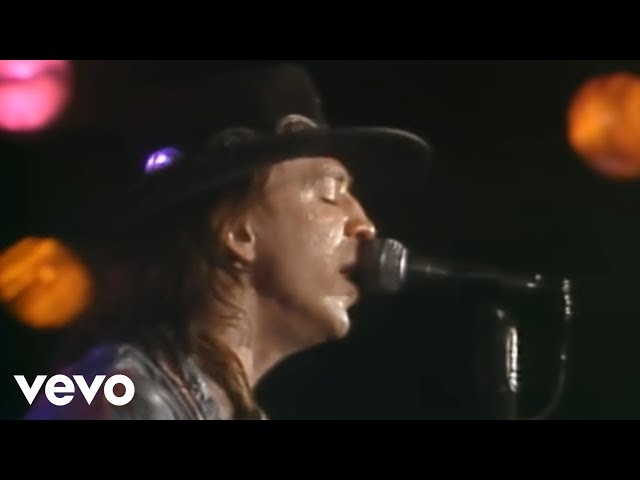
Hailing from Dallas, Texas, Stevie Ray Vaughan is celebrated as one of the most influential and greatest guitarists in the history of blues rock.
In 1983, he played guitar on David Bowie’s Let’s Dance, catapulting his name into the spotlight.
In 1984, he released the album Texas Flood with his own band, Stevie Ray Vaughan and Double Trouble, producing hits such as Pride and Joy and earning a Grammy Award.
Deeply influenced by Jimi Hendrix, his formidable guitar technique and electrifying performances captivate not only rock fans but blues lovers as well.
Cross Road BluesRobert Johnson4rank/position
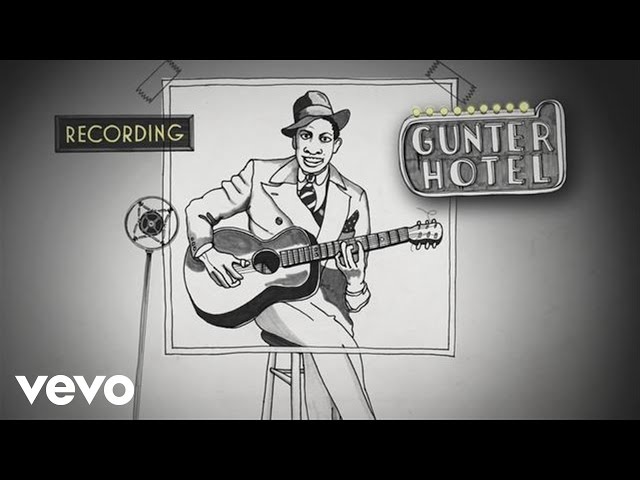
Robert Johnson, the legendary blues musician famed for his otherworldly guitar technique, was said to have gained his skills by selling his soul to the devil at a crossroads.
This piece embodies that very legend and shakes the listener to the core.
It portrays the protagonist’s anxiety and loneliness, left behind at a sunset intersection, through soul-wrenching vocals and a wailing slide guitar in call-and-response.
The track was released as a single in May 1937 and later became famous for Cream’s cover.
Its influence is immeasurable—Toyota even used it in an advertisement in 2000.
A song that lets you touch the very essence of the blues.
The Thrill Is GoneB.B. King5rank/position

The fact that many albums considered blues masterpieces are live recordings becomes clear when you listen to the music of the legendary blues guitarist B.B.
King.
Born in 1925 in Mississippi, USA, King had a long and prolific career starting in the 1950s, earning him the title “King of the Blues.” His refined playing style—built on flowing string bending, shimmering vibrato, and staccato picking—has had a profound influence on generations of electric blues guitarists.
It’s said that over the course of his life he performed at more than 200 concerts per year on average.
Perhaps the true power of his performances can only be felt by hearing the man himself.
Boom BoomJohn Lee Hooker6rank/position
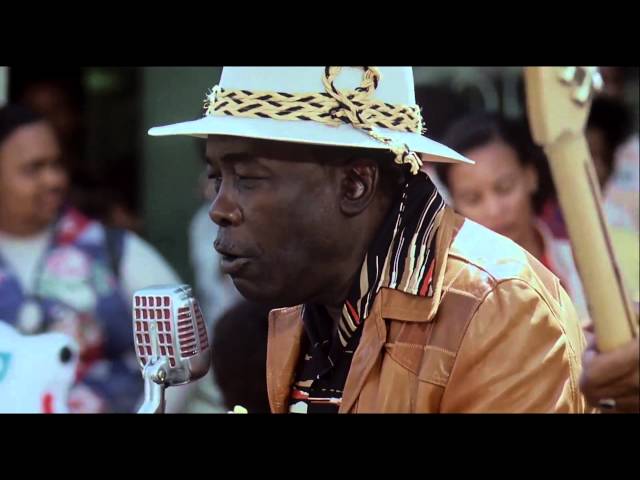
Born in Coahoma County, Mississippi and nicknamed the “King of Boogie,” John Lee Hooker was a towering figure in the blues who forged a distinctive style over a career spanning more than 50 years.
He made his debut in 1948 with “Boogie Chillen” and scored numerous hits throughout the 1950s.
Inducted into the Rock and Roll Hall of Fame in 1991, Hooker earned immense respect not only in the blues world but also from the rock community.
His uniquely rhythmic, guitar-like pulse and gravelly voice that resonates deep in the listener’s heart embody the very essence of the blues.
If you love blues or rock, he’s an artist you should definitely check out at least once.
Better By You Better Than MeSpooky Tooth7rank/position

Spooky Tooth was a band that created a sound that surpassed the framework of blues rock, which itself derives from the blues—known as a root of both jazz and rock.
This quintessentially British sound found especially strong acclaim in the United States and has maintained a devoted fanbase.
Centered around bassist Greg Ridley and keyboardist Gary Wright, the group established a unique position through powerful performances and unparalleled expressiveness.
Their signature track, “Better By You, Better Than Me,” stands as a landmark of blues rock, distinguished by its weighty guitar riffs and soulful vocals.
Its influence is immeasurable—Judas Priest notably covered the song.
Highly recommended for those who want to explore deeper layers of music.