

Trivia Quiz About Cats: Things You Think You Know but Don’t?

Cats have always stayed close to humans, soothing and comforting us.
While they hide their wild side to live with people, cats still have hidden abilities and habits that are remnants of their instincts—things humans often don’t know about.
In this article, we’ll share trivia about cats.
It’s also fun to try a quiz to celebrate Cat Day on February 22, which gets more popular every year.
Whether you’ve lived with cats for years and think you know it all, or you love cats but don’t know much about them, we hope you’ll enjoy these niche cat facts together!
- Can you solve it if you love cats? A 3-choice cat trivia quiz
- A three-choice quiz of useful trivia: a collection of questions you can use in everyday life
- Trivia Quiz About Cats: Things You Think You Know but Don’t?
- Trivia quiz about dogs: three-choice questions to learn fun facts
- A collection of trivia quizzes about penguins: little-known facts about their ecology and fun tidbits.
- Didn't want to know?! Fascinating and scary trivia & fun facts
- February trivia quizzes that elementary school kids will love. Get excited with fun facts about commemorative days.
- [Trivia] Do you know the answers? A roundup of animal quizzes
- February trivia quiz: three-choice questions on seasonal fun facts like Setsubun and Valentine’s Day
- [Dog Biology] Things You Might Not Know? Dog Trivia
- [Killing Time] A Collection of Fun Trivia Quizzes You'll Want to Share with Someone
- A quiz of fun trivia: bite-sized knowledge that leads to new insights.
- Useful right away in daily life! Surprising trivia and handy tips
[Think You Know It?] Trivia Quiz About Cats (1–10)
Which of the following tastes can cats not perceive?

- sweetness
- acidity
- spiciness
See the answer
sweetness
Cats are believed to be unable to perceive sweetness. This is thought to be because the genes responsible for detecting sweet tastes in cats have mutated. As obligate carnivores, cats likely have no need for the ability to taste sweetness. These are the reasons why cats show little interest in sweet foods.

What are a cat’s whiskers for?
- to identify the taste of food
- To ensure visibility in the dark
- to perceive one’s body size when passing through a narrow space
See the answer
to perceive one’s body size when passing through a narrow space
A cat’s whiskers function as highly sensitive sensors for the environment. Cats use their whiskers to judge whether their bodies can pass through narrow spaces. This is because the whiskers detect the size of the space, and the cat uses that information to compare it with its own body size. Thanks to this remarkable ability, cats can move safely through tight areas without injuring themselves.
Can cats tell the difference in the taste of water? O or X

- ◯
- ✗
See the answer
◯
Cats are thought to be able to perceive differences in the taste of water. They are said to prefer water with a higher oxygen content, which suggests they can sense the taste difference between fresh, flowing water and stagnant water. In fact, the ability to distinguish the taste of water is considered crucial for the survival of wild cats, helping them locate clean and safe water sources.
[You Think You Know, But Do You?] Trivia Quiz About Cats (11–20)
What effect does a cat’s purring sound have on humans who hear it?
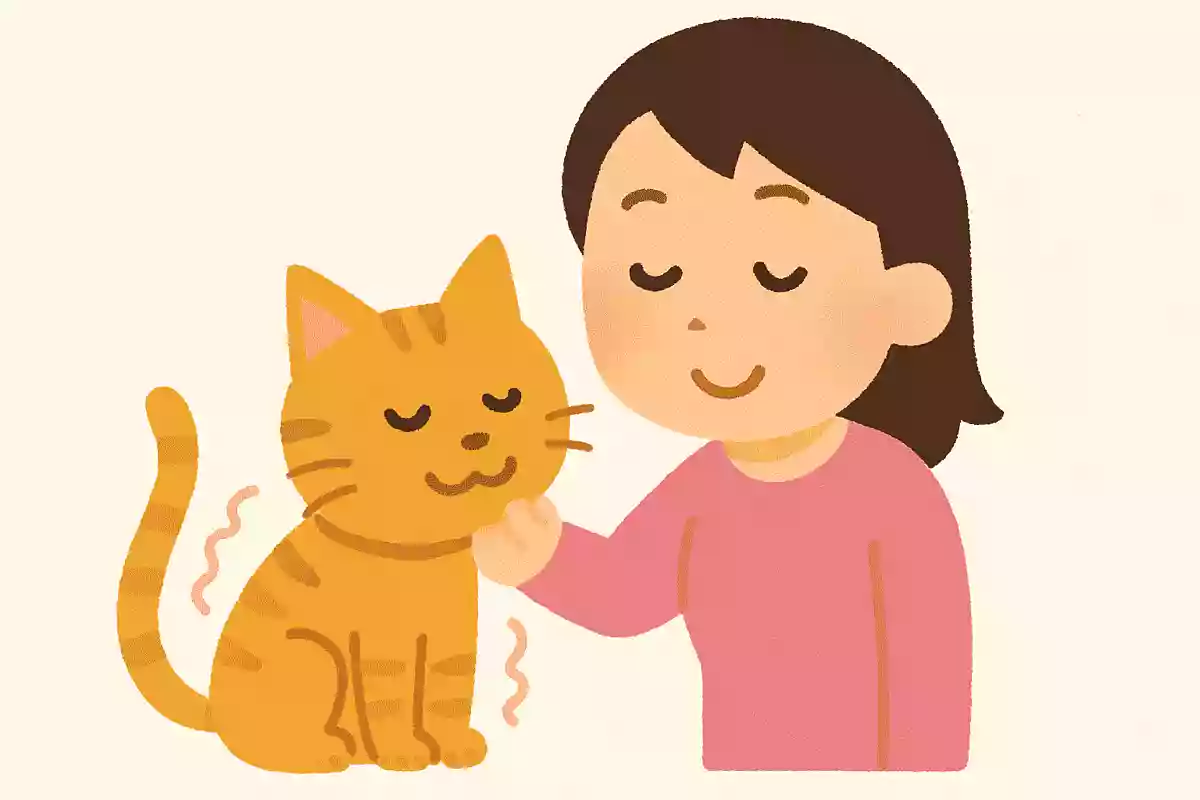
- Stress reduction
- Improvement of eyesight
- Hair growth promotion
See the answer
Stress reduction
The purring sound of cats has been scientifically recognized to have a relaxing effect on humans and to reduce stress. This sound is soothing, and interacting with cats can heal the heart and help lessen everyday stress. There are even studies suggesting that fractures heal faster!
About how old would a cat’s intelligence be in human years?

- ages 2–3
- ages 4–5
- Ages 6–7
See the answer
ages 2–3
A cat’s intelligence is generally considered to be about the level of a human two-year-old. This is based on studies showing that cats can perform simple problem-solving and can recognize their own names. However, some cats demonstrate even higher intelligence, and it’s said they can learn around 200 words.
Do cats have a dominant paw: true or false?
- ◯
- ✗
See the answer
◯
In fact, cats also have a “dominant paw,” much like humans have a dominant hand. Many cats tend to use one paw more frequently, and this is referred to as the cat’s dominant paw. According to research, male cats tend to favor their left paw, while female cats tend to favor their right. However, this is only a general trend, and it’s important to remember that there are individual differences.
A cat’s jumping ability: how many times its body length can it leap?
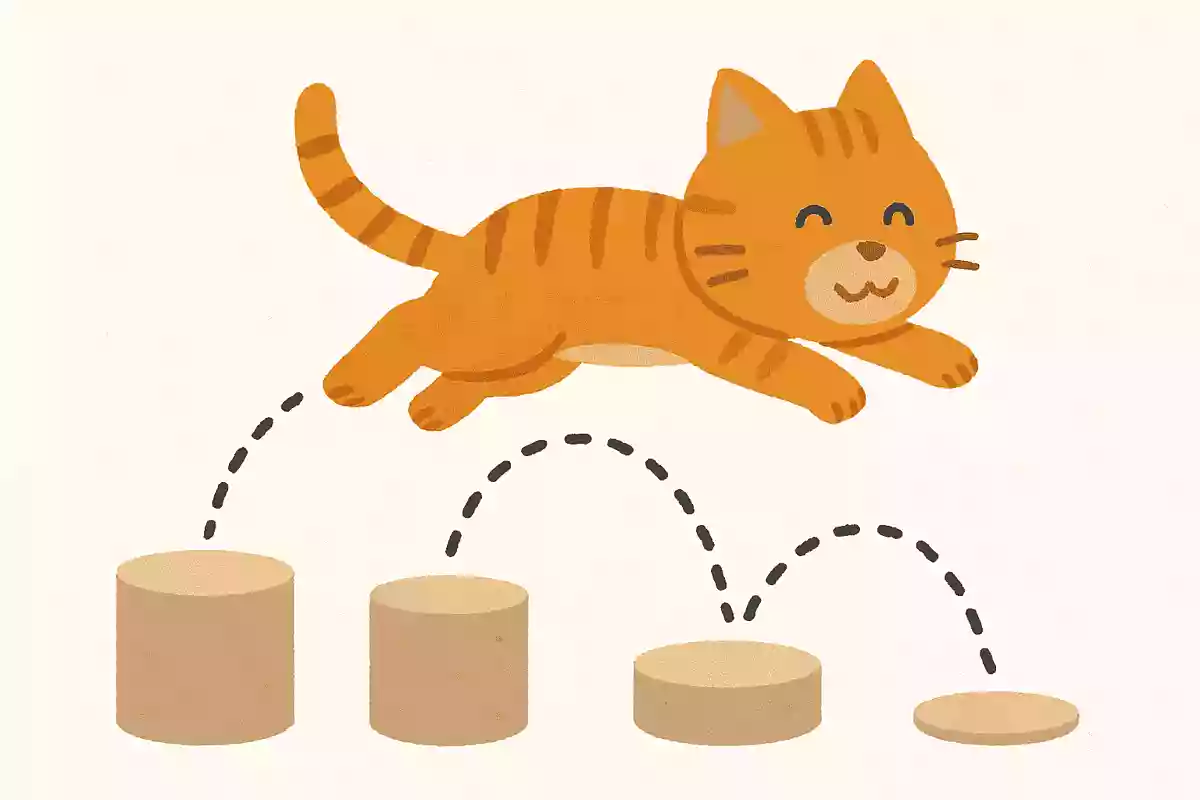
- double
- three times
- six times
See the answer
six times
Cats are said to be able to jump up to six times their own height. This remarkable ability is made possible by their powerful hind leg muscles and lightweight body structure. It gives them an advantage in the wild for hunting, escaping, and even during play.