

February trivia quiz: three-choice questions on seasonal fun facts like Setsubun and Valentine’s Day


February is packed with seasonal events like Setsubun and Valentine’s Day! But how much do you really know about these occasions? There are plenty of things you might think you know but don’t—like which country originated Setsubun or the origin of Valentine’s name.
In this article, we’ll share plenty of February-related trivia in a three-choice quiz format! It’s perfect as a conversation starter with family and friends or for a quick pastime.
As you work through it, you might even find yourself blurting out “Wow!” at some surprising discoveries.
Give it a try now!
February trivia quiz: Seasonal tidbits like Setsubun and Valentine’s Day presented as multiple-choice (1–10)
Which country did Setsubun originate from?
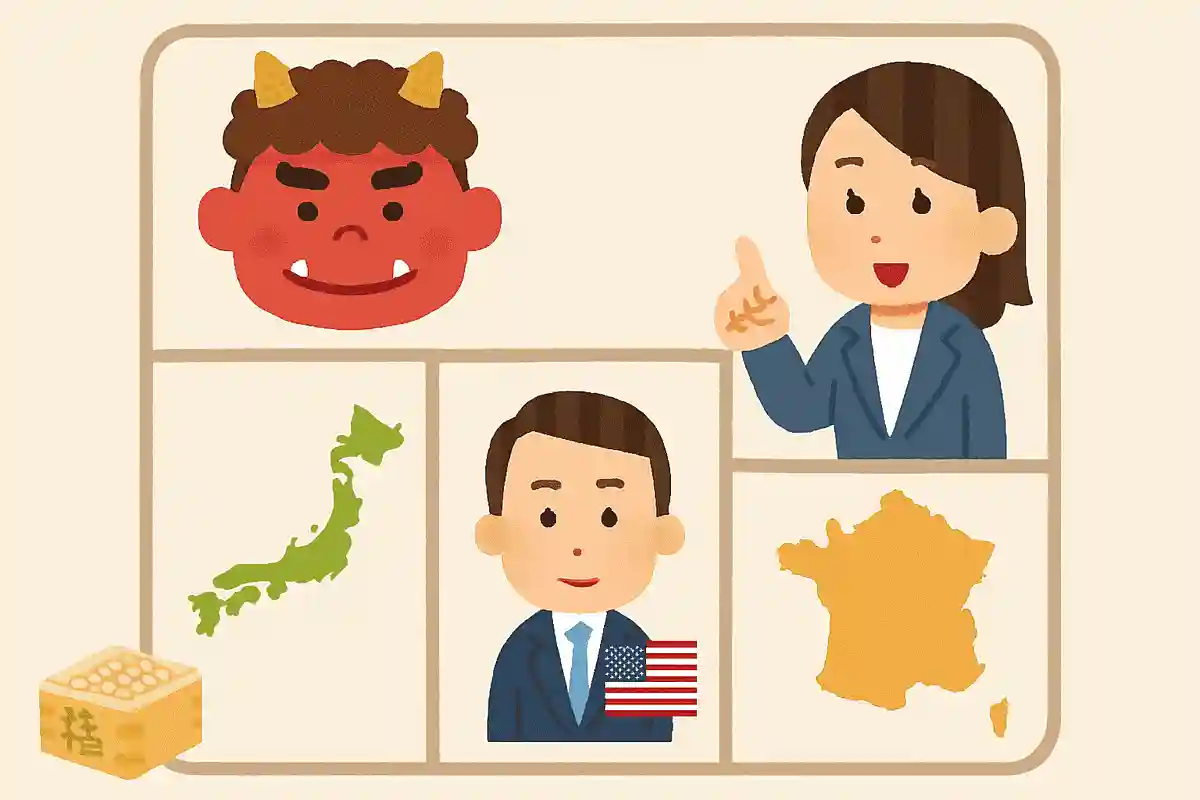
- China
- Japan
- India
See the answer
China
The custom of Setsubun is said to have originated in China and was later introduced to Japan. In ancient China, Setsubun was one of the annual events held at the turning points of each of the four seasons. After it was brought to Japan, it took root particularly as an event on the day before the first day of spring, involving the scattering of beans and the expulsion of evil spirits.
What is the solar term that falls around February 19?
- Great Cold
- White Dew
- rainwater
See the answer
rainwater
Usui is read as “Usu-i” and is the second of the 24 solar terms. It signifies the time when snow turns to rain. The severe cold begins to ease, and you can sense the arrival of spring. As the snow starts to melt, it also served as a cue to begin preparations for farming.

How many times a year is Setsubun?
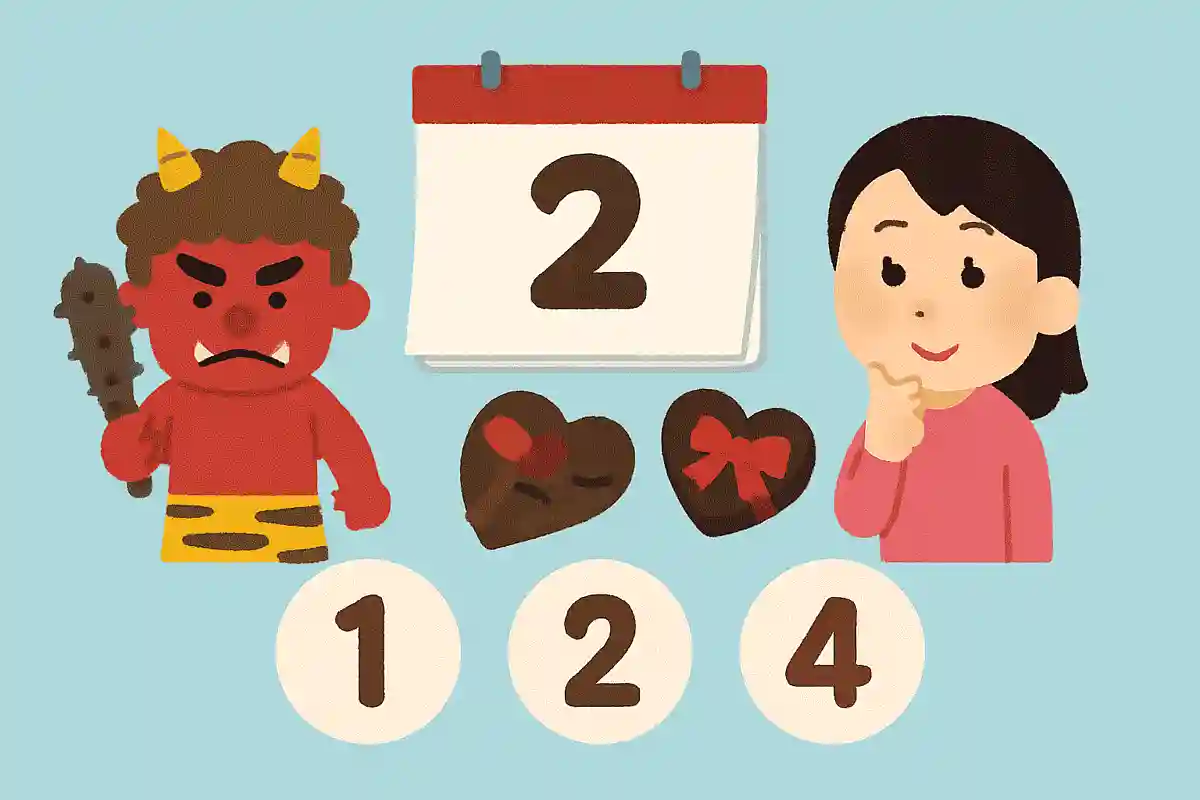
- one time
- twice
- four times
See the answer
four times
Setsubun refers to the day before the first day of spring, summer, autumn, and winter, so in fact it occurs four times a year. However, the Setsubun in February, which falls on the day before the first day of spring, is the most well-known.

Who is the deity said to reside in the lucky direction?
- Seven Lucky Gods
- Amaterasu-Ōmikami
- Toshitokujin (the Shinto deity of the year)
See the answer
Toshitokujin (the Shinto deity of the year)
Toshitokujin, also known as “Shōgatsu-sama” or “Tokutoku-sama,” is the deity who presides over the year’s good fortune and blessings. We put up New Year’s decorations and kagami mochi to welcome this deity. The direction where Toshitokujin dwells is called the eho (lucky direction). This direction is considered extremely auspicious, and it is said that everything will prosper when oriented toward it.
What does the number of beans eaten on Setsubun mean?
- Number of treasures
- Number of family members
- Age
See the answer
Age
The number of beans eaten during Setsubun represents the eater’s age. This custom is meant to ward off misfortune and pray for good health for the year by eating as many beans as one’s years. In some regions, people eat their age plus one bean to wish for good health in the coming year.
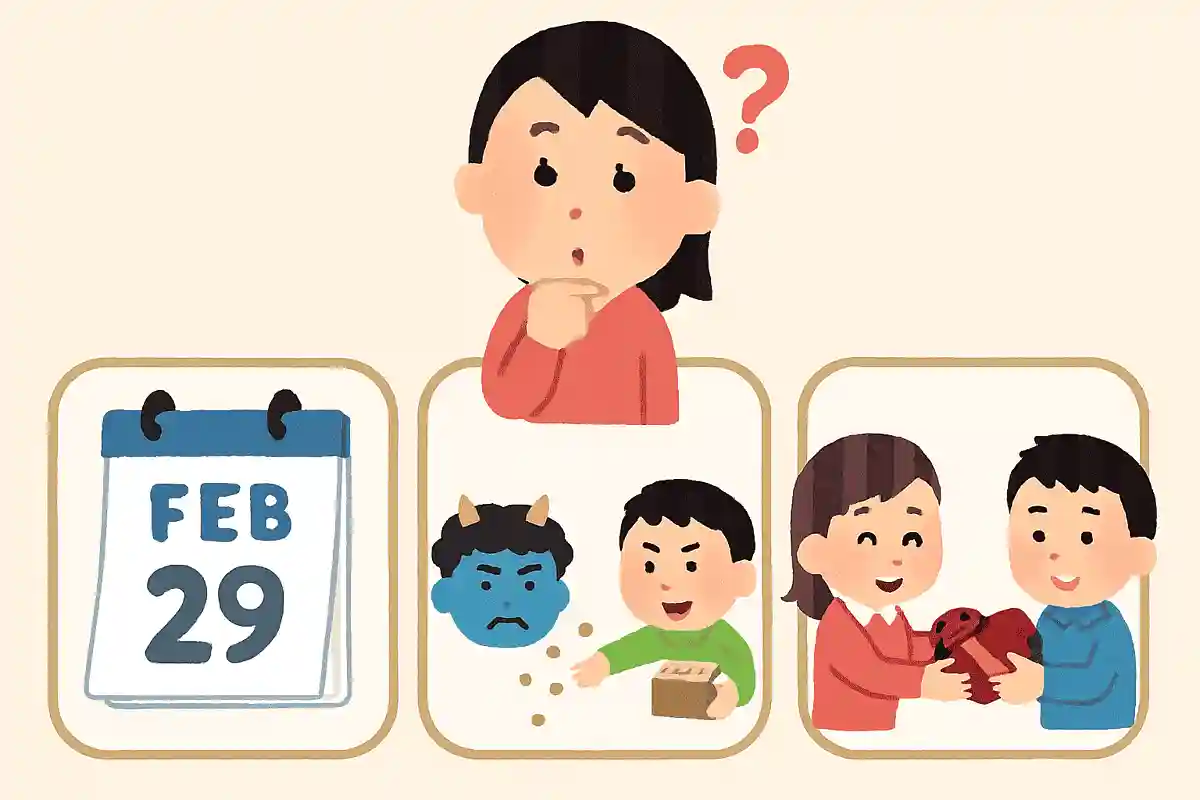
What kind of year is a “leap year,” which comes once every four years?
- A year that is divisible by 100 but not divisible by 400
- A year in which February has one fewer day
- A year when February has one extra day
See the answer
A year when February has one extra day
A leap year is characterized by February having 29 days instead of the usual 28. As a result, a leap year has 366 days, making the year one day longer.
What is the national holiday on February 11?
- Coming of Age Day
- National Foundation Day
- Greenery Day
See the answer
National Foundation Day
National Foundation Day is considered to be the day when Emperor Jimmu, the legendary first emperor of Japan, ascended the throne, and it symbolizes the founding of Japan. Since 1966, this day has been designated as a national holiday, serving as a time to celebrate Japan’s history and culture and to reflect on the nation.