


Trivia and fun facts about food (summary)

When it comes to things absolutely essential for living, food tops the list, right?
Eating three meals a day, paying attention to your health while also enjoying your favorites from time to time—that’s important.
In this article, we’ll introduce trivia and fun facts about food!
We’ve gathered a variety of tidbits, from surprising stories about everyday foods to the meanings behind food names.
Whether you love eating or have lots of likes and dislikes, let’s learn more about food through quizzes and make mealtimes even more enjoyable!
Trivial Facts & Fun Food Knowledge Summary (1–10)
Tomatoes used to be ornamental.

Tomatoes, a classic summer vegetable, are known for their vivid red color and high water content that gives a refreshing feel.
While tomatoes are commonly used not only in Japan but also abroad, they were initially treated as ornamental plants.
Because their fruit was red, people believed they were toxic, and it’s said that tomatoes did not become widespread until around the 17th century, when they began to be recognized as edible.
It’s a fun bit of trivia that suggests their colorful appearance made it hard to believe they were meant for eating from the start.

Peanuts are not nuts.
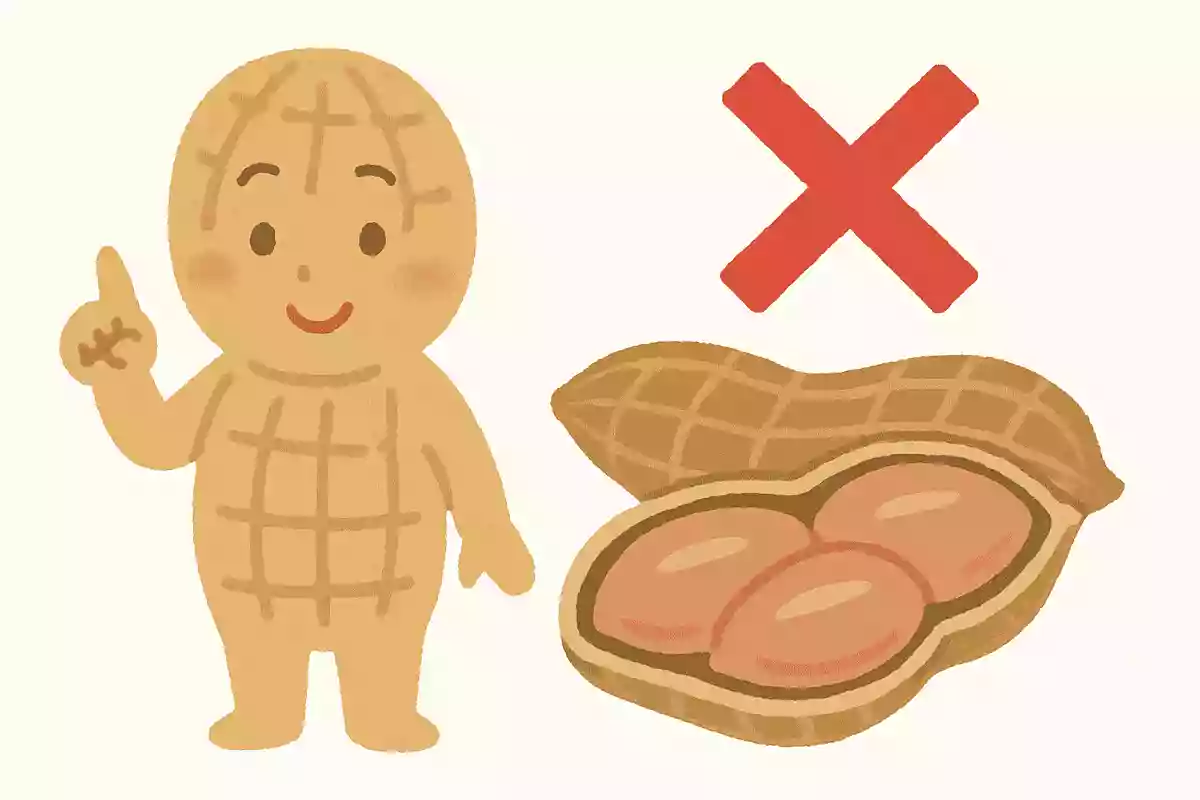
Peanuts are often misunderstood because their name includes “nuts.” However, peanuts are not actually nuts.
By definition, nuts are tree seeds—fruits that grow on trees.
Peanuts, on the other hand, are legumes, classified among plants that develop their seeds in pods.
A handy way to remember it is: if it grows on a tree, it’s a nut; if it grows underground, it’s a legume.
By the way, since peanuts aren’t true nuts, they’re generally considered safe for people with tree nut allergies to eat.

There are wild-caught and farmed taiyaki.

When it comes to traditional sweet treats sold at street stalls, taiyaki is a longtime favorite—but did you know there are “wild” and “farmed” versions? The difference, surprisingly, lies in the griddle used to bake them.
Taiyaki baked in a mold that can only cook one or two at a time is called “wild,” while those made on a griddle that can mass-produce many at once are considered “farmed.” It’s harder to control the heat with the “wild” type, but it’s said to produce taiyaki with a delightfully crisp surface and great flavor.
Come to think of it, you don’t see the “wild” griddles much anymore.
Perhaps the craftspeople who make those griddles are also becoming fewer.

Only products with 100% fruit juice may be labeled as “XX juice.”
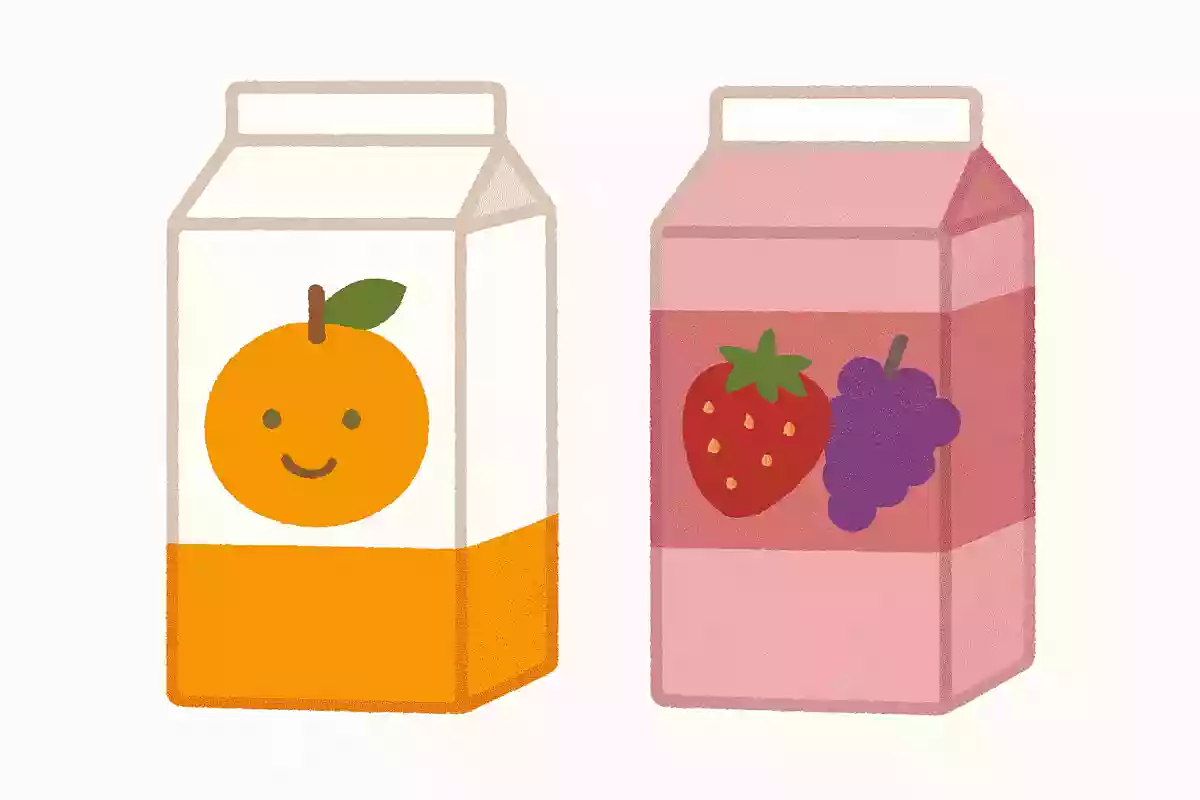
We tend to call any drink that contains fruit juice “juice,” but in fact, only beverages that are 100% fruit juice can truly be labeled as juice.
Drinks with less juice—those containing 10% to less than 100%—must be labeled as “fruit juice beverages.” As for packaging images, fruit juice beverages may show whole fruit, but they cannot use cross-sections or droplets; and if the juice content is below 5%, they can’t use fruit illustrations or photos at all.
Since products with less than 5% juice must be labeled “no fruit juice,” you may even see something labeled “no fruit juice” despite actually containing, for example, 3% juice.
Only Japanese people can digest nori (edible seaweed).
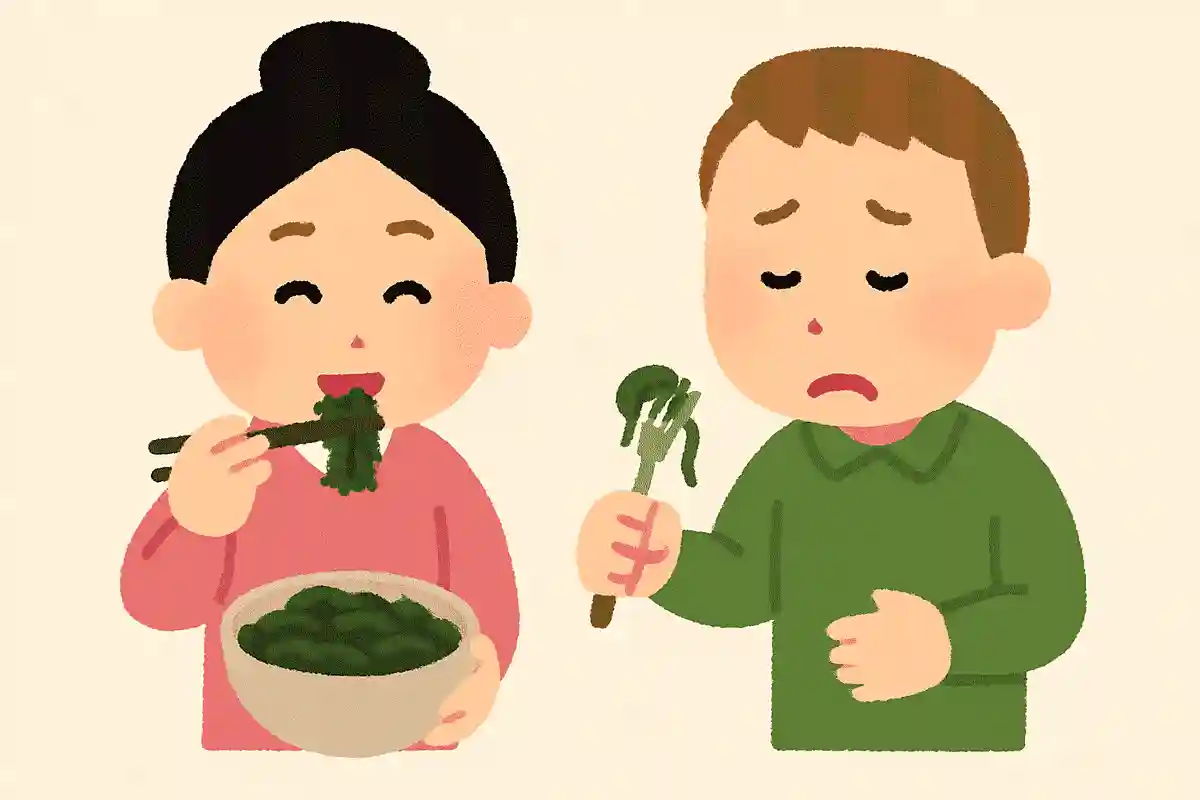
Only Japanese people can digest nori (seaweed).
It depends on the state of the nori.
Roasted nori can be digested by non-Japanese as well, but it’s said that when it’s raw (not heat-treated), only Japanese people can digest it.
This is supposedly because the bacteria needed to digest nori live only in the Japanese gut.
The natural question is why only Japanese people, and the explanation is that, having eaten seaweed for centuries, they underwent a unique evolutionary adaptation.
That said, roasted nori is more commonly consumed nowadays, so it’s not something you really need to worry about.
Freshly caught tuna tastes bad.
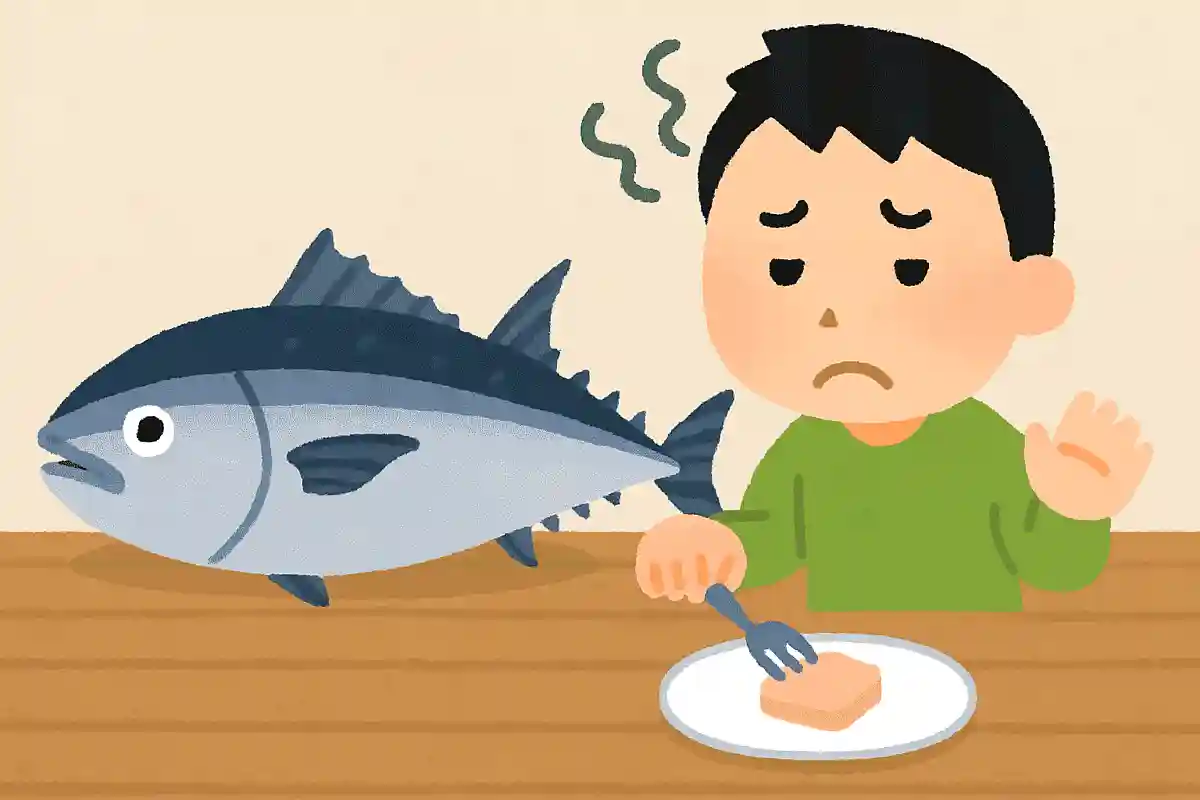
Freshly caught tuna tastes bad—and to go further, most fish aren’t delicious when they’re just caught.
Surprising, right? The reason is that fish flesh is originally close to flavorless, and as time passes it matures, increasing in umami.
However, if someone without proper knowledge tries to age fish they’ve bought, it can lead to food poisoning, so absolutely do not attempt it.
By the way, the reason fish becomes tastier as it ages is that inosinate (inosinic acid), a compound that contributes to umami, is produced.
Cucumbers are recognized by Guinness as the vegetable with the least nutrients in the world.

The phrase “has no nutritional value” often used to describe cucumbers spread from a Guinness World Record related to cucumbers.
Cucumbers are recognized as the “least calorific fruit,” which led to the misconception that they lack nutrients.
In reality, they do contain nutrients, including plenty of potassium, vitamins, and dietary fiber.
It’s best to focus on their original record—being low in calories—and incorporate them wisely into your daily meals.