

Trivia and fun facts about food (summary)

When it comes to things absolutely essential for living, food tops the list, right?
Eating three meals a day, paying attention to your health while also enjoying your favorites from time to time—that’s important.
In this article, we’ll introduce trivia and fun facts about food!
We’ve gathered a variety of tidbits, from surprising stories about everyday foods to the meanings behind food names.
Whether you love eating or have lots of likes and dislikes, let’s learn more about food through quizzes and make mealtimes even more enjoyable!
- Deepen your knowledge of food! A three-choice trivia quiz
- Surprisingly unknown? Trivia Quiz [Multiple Choice: 3 Options]
- Get Healthy with Vegetables: Trivia Quiz About Vegetables
- Useful right away in daily life! Surprising trivia and handy tips
- Coffee Trivia Quiz: A one-stop introduction to lots of fun facts
- Didn't want to know?! Fascinating and scary trivia & fun facts
- Surprisingly unknown? A fun health trivia quiz that will make you want to try it
- How Much Do You Know? Food Quiz for Elementary School Students
- A quiz of fun trivia: bite-sized knowledge that leads to new insights.
- Trivia quiz with useful tips to know: fun facts that come in handy at school or at home [for kids]
- [3-Choice Quiz] A quiz about foods that will make you hungry
- Fun facts you’ll want to share! January trivia and tidbits special
- [True or False?] Diet Trivia Quiz
Trivial Facts & Fun Food Knowledge Summary (1–10)
The etymology of chocolate is “bitter water.”

Chocolate, a classic choice for Valentine’s gifts and sweets, has a strong image of being sweet and happy.
Interestingly, the word chocolate is said to originate from a term meaning “bitter water.” The origin of chocolate was a bitter drink made simply by crushing cacao beans, and in the language of the Mexican Indigenous peoples it was called “chocolatl,” meaning bitter water.
It’s a fun fact that sparks curiosity about how chocolate spread around the world and how much it has been refined to become what it is today.

Eel is poisonous, so it cannot be eaten raw.
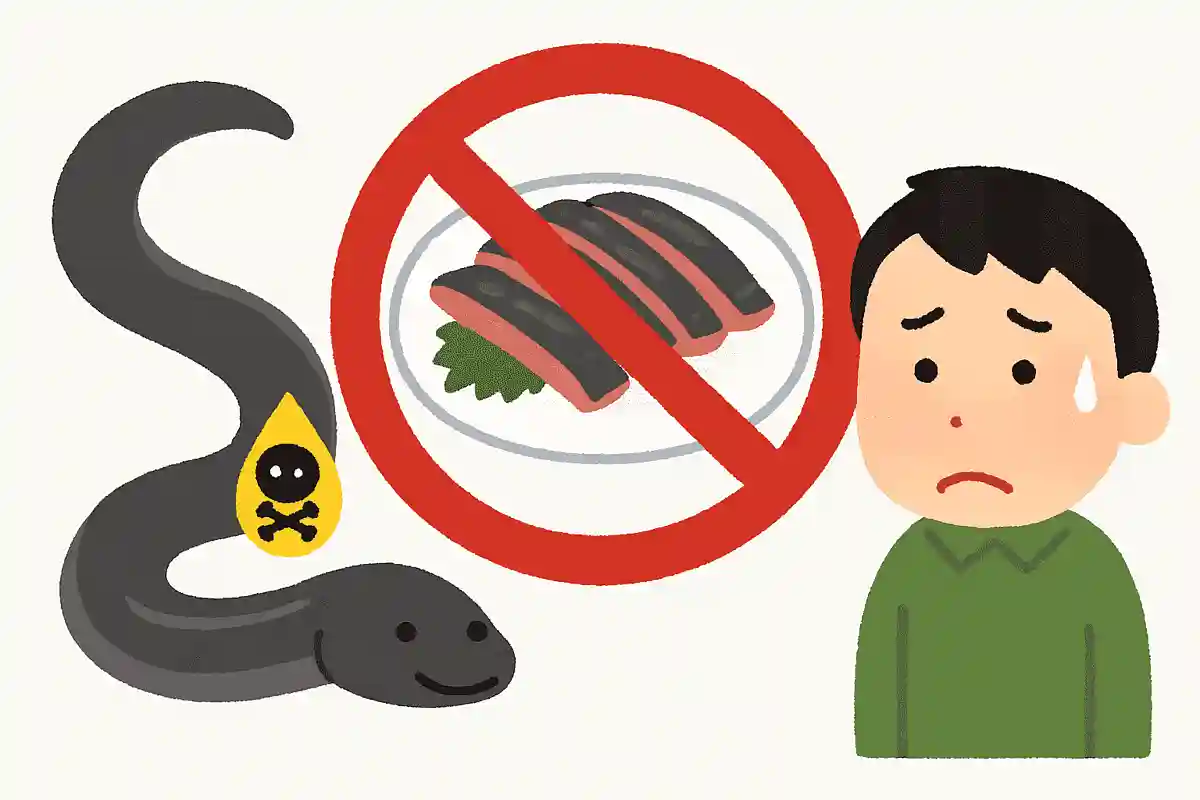
Eel is an indispensable stamina food for Japanese people, with typical dishes eaten on the Day of the Ox in midsummer.
Eel is strongly associated with being eaten as kabayaki (grilled with sauce) and is never consumed raw like sashimi.
The reason is that eel blood contains a toxin; if a large amount is accidentally ingested, it can cause various disorders in the body.
This toxin, called ichthyotoxin (ichthyhemotoxin), completely loses its toxicity when heated at 60°C for 5 minutes, so cooking eel with heat is done not only for flavor but also for safety.
The name ‘daigaku-imo’ (candied sweet potatoes) comes from the fact that they were popular among university students.

There are three theories about the origin of “daigaku-imo” (candied sweet potatoes).
The first is that it was inexpensive and thus popular among university students.
The second is that university students sold it to earn money for tuition.
The third is that it was trendy at the time to add the word “university” to product names.
Apparently, things like “university eye drops” and “university notebooks” were also sold.
As an aside, there are said to be dishes called “elementary-school imo” and “middle-school imo” as well.
It’s a bit odd that only high school is missing, isn’t it? If you’re curious what those dishes are like, try looking them up.

Trivia & Fun Facts About Food (11–20)
The character “腐” in tofu means “soft.”

Ingredients for miso soup and chilled tofu—aren’t these indispensable to the Japanese? Because the character “腐” in tofu can give a negative impression (as it means “rot”), tofu is often written in hiragana or katakana.
However, the character 腐 here doesn’t mean something has gone bad; it simply conveys the sense of softness.
It’s said to derive from Chinese, referring to something soft that results when a liquid gathers and solidifies.
Considering this meaning, the term “soft bean” feels like a perfect fit.
Andes melons have nothing to do with the Andes region.
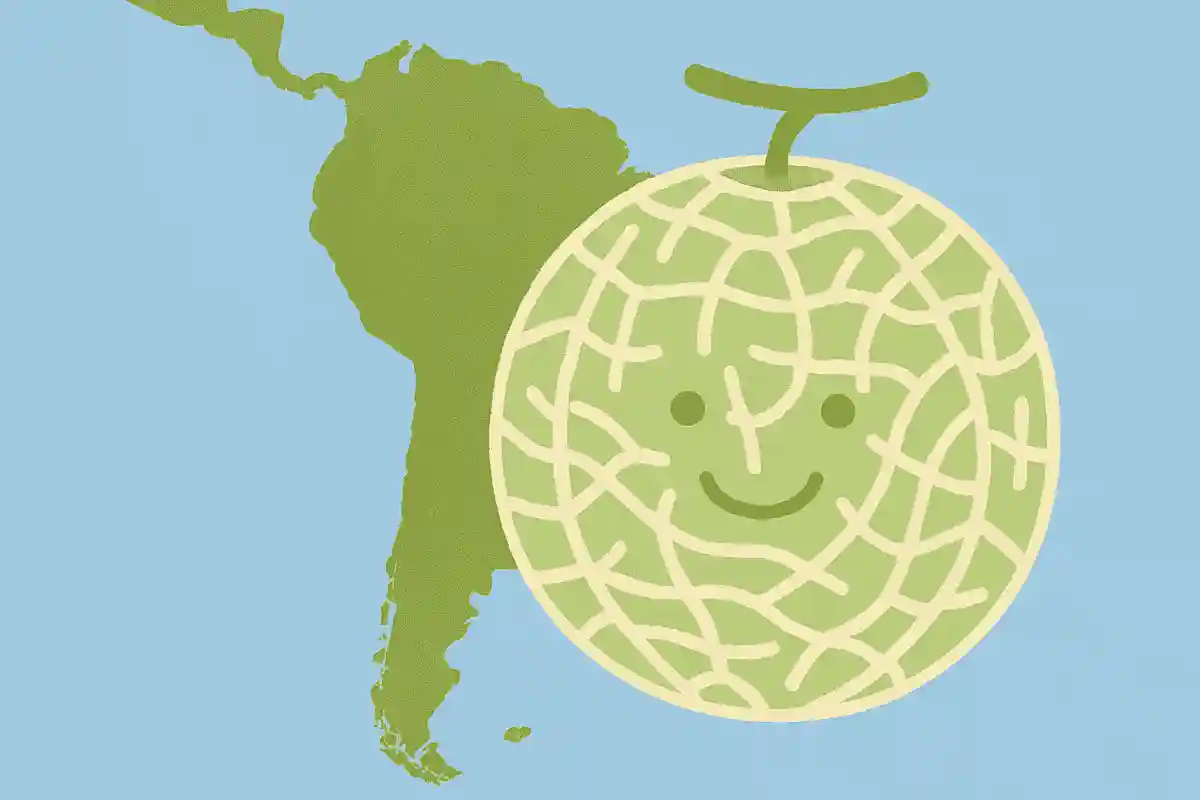
When people hear the name “Andes Melon,” they tend to assume it’s a melon eaten in the Andes, but that’s actually not the case.
This melon is a variety released by Sakata Seed in 1977.
Compared to high-end muskmelons, it has more consistent quality, is less prone to disease, and is inexpensive.
The real origin of the name comes from the phrase “anshin desu” (meaning “it’s reassuring”): reassuring to grow, reassuring to sell, and reassuring to buy.
“Anshin desu melon” was shortened, which coincidentally sounds like “Andes.” The name has a bit of a Showa-era vibe, doesn’t it? This makes me want to look into the origins of other variety names as well.

The pasta under the bento side dishes is there to keep them from shifting.

The pasta placed under the side dishes in a bento is there to keep things from shifting.
It actually serves several other purposes, too.
First, it absorbs excess oil from the food; it also improves the presentation and boosts the overall volume.
What’s more, the pasta can prevent fried items from touching the container and causing it to melt.
Bento pasta doesn’t usually get much attention, but it turns out to be pretty important.
You might think, “Wouldn’t lettuce work just as well?” but pasta keeps longer, so it’s more practical.
Yuzu kosho doesn’t contain pepper.

Yuzu kosho is loved by many people.
Do you know how it’s made? Yuzu kosho is a seasoning made by blending yuzu peel into a paste and mixing it with green chili peppers and salt, then letting it mature.
In other words, it doesn’t actually contain black pepper.
So why is it called “kosho”? That’s because in Kyushu, where it originated, chili peppers are traditionally called “kosho.” By the way, its green color comes from using green chili peppers; if you use red chili peppers, it turns out red.
Next time you go to the supermarket, check the shelves and take a look.