

Trivia and fun facts about food (summary)

When it comes to things absolutely essential for living, food tops the list, right?
Eating three meals a day, paying attention to your health while also enjoying your favorites from time to time—that’s important.
In this article, we’ll introduce trivia and fun facts about food!
We’ve gathered a variety of tidbits, from surprising stories about everyday foods to the meanings behind food names.
Whether you love eating or have lots of likes and dislikes, let’s learn more about food through quizzes and make mealtimes even more enjoyable!
- Deepen your knowledge of food! A three-choice trivia quiz
- Surprisingly unknown? Trivia Quiz [Multiple Choice: 3 Options]
- Get Healthy with Vegetables: Trivia Quiz About Vegetables
- Useful right away in daily life! Surprising trivia and handy tips
- Coffee Trivia Quiz: A one-stop introduction to lots of fun facts
- Didn't want to know?! Fascinating and scary trivia & fun facts
- Surprisingly unknown? A fun health trivia quiz that will make you want to try it
- How Much Do You Know? Food Quiz for Elementary School Students
- A quiz of fun trivia: bite-sized knowledge that leads to new insights.
- Trivia quiz with useful tips to know: fun facts that come in handy at school or at home [for kids]
- [3-Choice Quiz] A quiz about foods that will make you hungry
- Fun facts you’ll want to share! January trivia and tidbits special
- [True or False?] Diet Trivia Quiz
Trivia & Fun Facts About Food (11–20)
The pineapple in sweet-and-sour pork is included to improve its appearance.
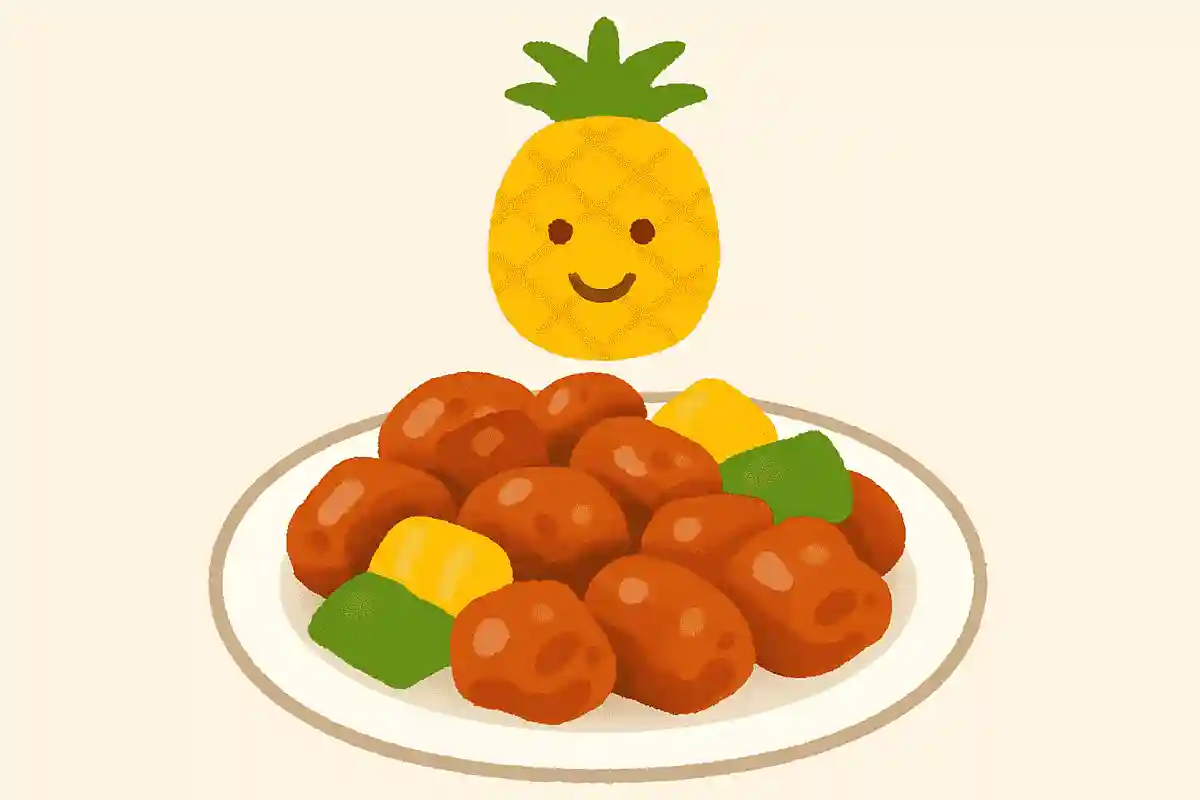
It’s said that sweet-and-sour pork with pineapple was devised in the United States and introduced to Japan after 1945.
As for why pineapple was added, some say it’s included to improve the dish’s appearance, but there are other theories.
One is that enzymes in pineapple break down proteins and tenderize the meat; another is that the citric acid in pineapple adds a bright accent.
Which theory do you think is correct?

In 17th-century Turkey, drinking coffee was punishable by death.

In 17th-century Turkey, drinking coffee in public was strictly prohibited, and violators could face severe punishments, including the death penalty.
Murad IV, the ruler when Turkey was still known as the Ottoman Empire, disliked coffee and reportedly set examples by destroying coffeehouses; he is said to have imposed extreme penalties such as forty lashes for drinking one cup and having offenders sewn into a sack and thrown into the sea for drinking two.
People continued to drink coffee in secret and even opened cafés, making enforcement extremely difficult, and over time the ban on coffee was gradually relaxed.
Today, Turkish coffee is inscribed on UNESCO’s Intangible Cultural Heritage list and is an important part of Turkey’s culture.

The mold on bread extends invisible mycelium throughout the entire loaf.
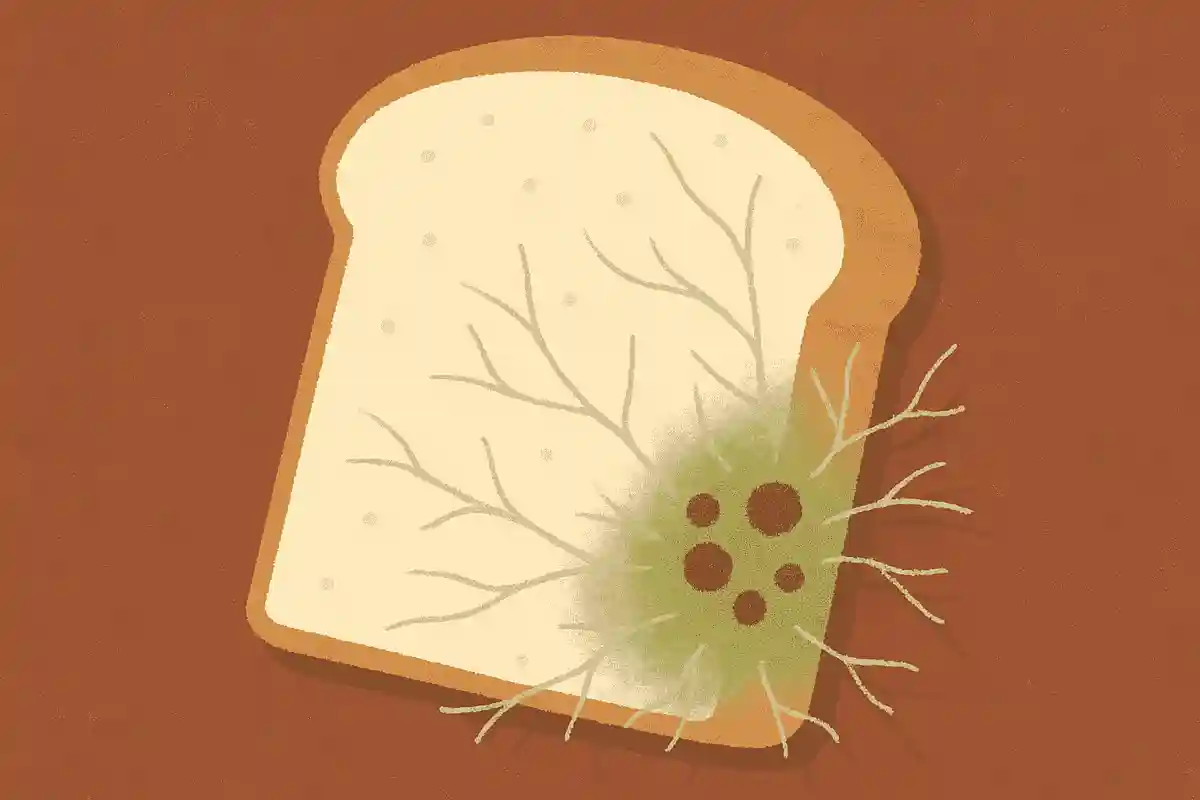
During damp, muggy seasons or when bread bought from a store is left at room temperature for a while, you may find mold growing on it.
Some households may have dealt with this in the past by cutting off the moldy parts and eating the rest.
In reality, mold spreads by sending out thread-like filaments that aren’t visible to the naked eye.
What you can see as mold is actually a mass of these fine threads.
By the time mold is visible, it has already spread throughout the surrounding area.
It’s best to avoid removing the mold and eating the rest.

Persimmons contain a very large amount of a certain nutrient. What is it?
- Vitamin C
- Calcium
- iron (dietary iron / iron content)
See the answer
Vitamin C
Persimmons contain a lot of vitamin C. Just one persimmon can provide almost the entire daily requirement of vitamin C. They even have more than mandarins, making them useful for preventing colds and caring for your skin. Let’s get plenty of vitamin C and build a healthy body.
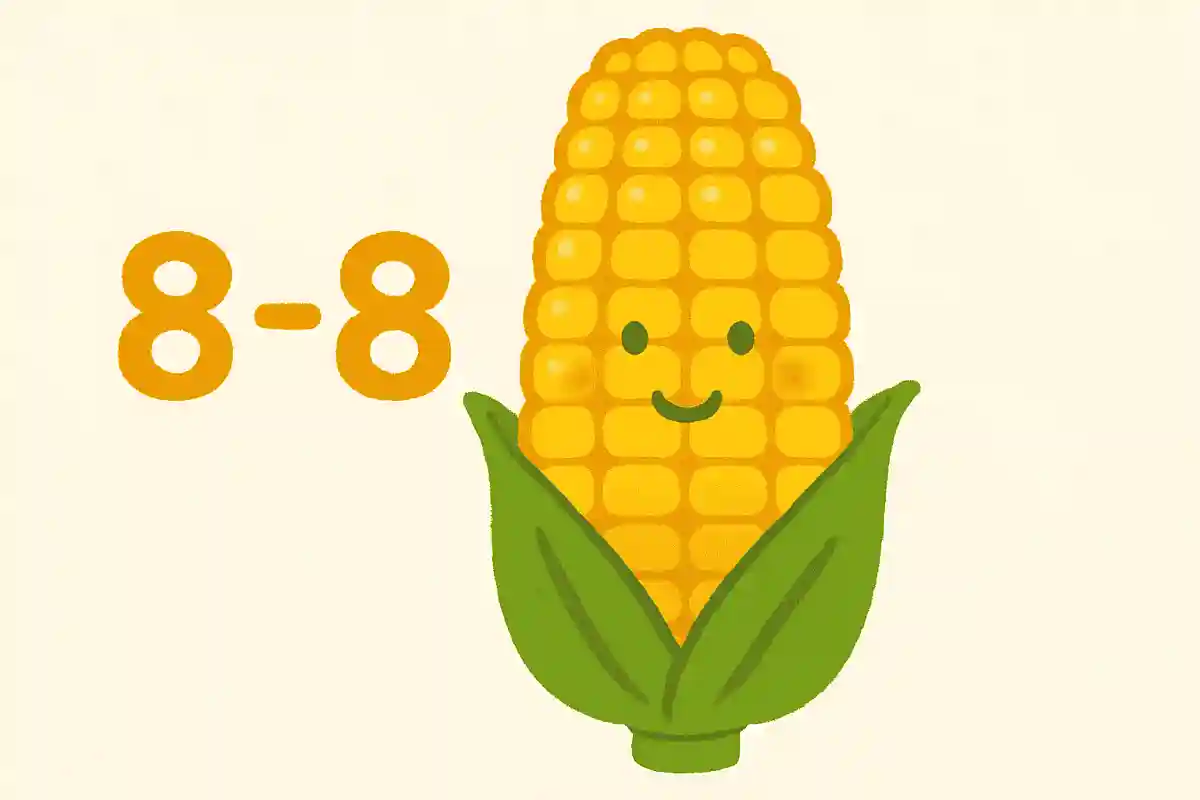
The number of kernels on corn is even.
In summer, you often see single ears of corn sold at supermarkets and greengrocers.
Boiled or grilled, they’re one of the delicious tastes of the season.
Did you know that corn kernels always come in even numbers? When a silk (the female part) successfully catches pollen and is fertilized, the kernel gradually grows.
During this growth process, each kernel is said to split into two.
As a result, even kernels that started as an odd number split into two, so the total number of kernels is always even.
Because the kernels are paired, the rows on an ear of corn are also even.
Why can gold leaf be eaten?

Gold leaf adds a touch of luxury to all kinds of foods.
You may have wondered why it’s edible.
Records show that gold leaf was used as a medicine as far back as the Nara period, and the tradition of using it in cuisine has a long history.
Originally, heavy, rigid gold is thinned by master artisans using traditional techniques to as fine as one ten-thousandth of a millimeter, becoming so delicate it can flutter with a breath.
Gold leaf is also one of the food additives approved by Japan’s Ministry of Health, Labour and Welfare.
Because gold does not dissolve in anything and passes through the body without being absorbed, it can be safely eaten by everyone from children to the elderly.
Let’s cherish this beautiful Japanese tradition that has been handed down through the generations.
Food Trivia & Fun Facts Collection (21–30)
Which part of the sweet potato is eaten as a vegetable?
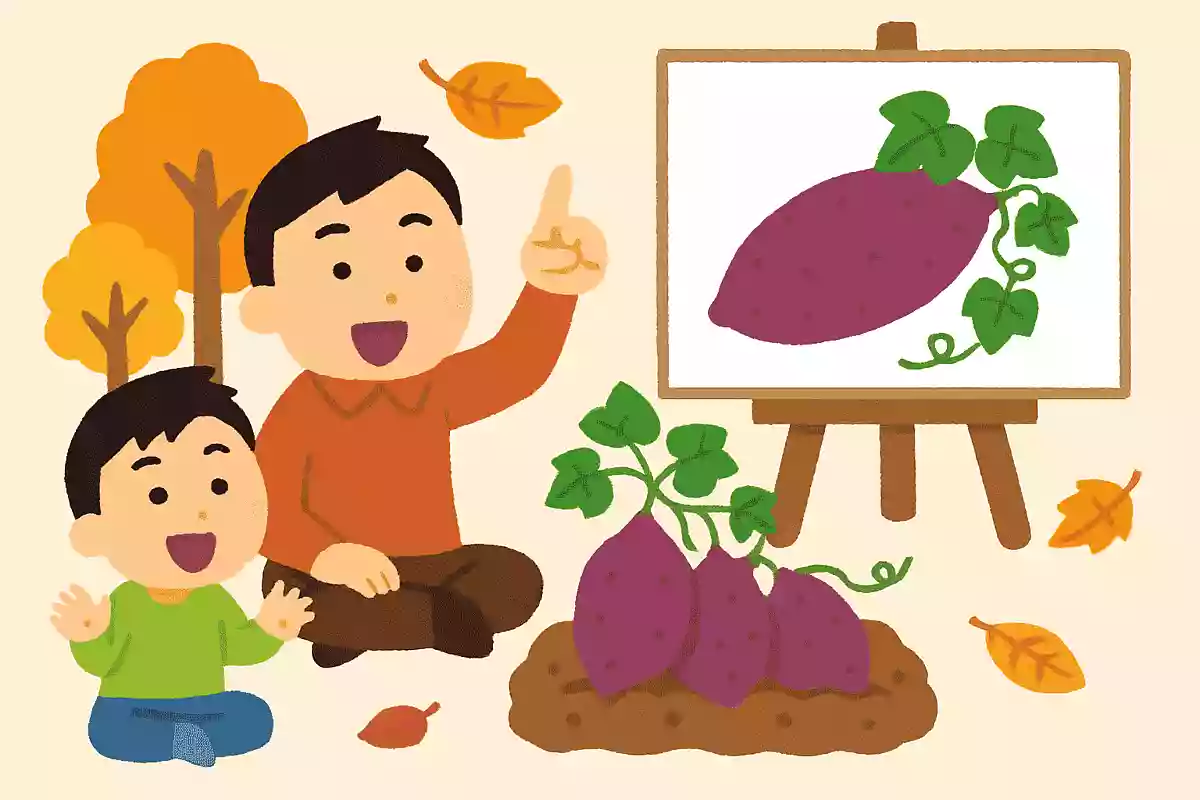
- Flower
- leaf
- root
See the answer
root
Sweet potatoes are vegetables in which we eat the enlarged “root” part of the plant. Their stems and leaves grow above the ground, while the edible parts grow large underground, so they are dug out of the soil at harvest time. The portion of the root that stores nutrients and grows bigger in the soil is what we eat as sweet potatoes.
In conclusion
We introduced some trivia and fun facts about food—how did you like them? There were plenty of interesting tidbits about food that you’ll want to bring up during lunch with colleagues or friends, or at parties! We hope this quiz inspires you to enjoy your mealtimes and cooking even more.