


Get Healthy with Vegetables: Trivia Quiz About Vegetables

When it comes to foods essential for your daily diet for good health, vegetables are a must, right?
For your health, it’s recommended to consume about 350 grams of vegetables per day.
So, how much do you really know about these health-essential vegetables?
In this article, we’ll introduce fun facts about vegetables in a quiz format!
Many people—especially children—aren’t fond of vegetables because of their bitterness or texture.
However, by learning about vegetables through quizzes like these, you might become more interested and feel like giving them a try.
No matter your age, be sure to take on the vegetable quiz together!
[Get Healthy with Vegetables] Fun Facts Quiz about Vegetables (1–10)
Why does lotus root have holes in it?

- Because this part is unnecessary
- To let air through
- To avoid insects in the soil
See the answer
To let air through
The holes in lotus roots are there to let air pass through. Like humans, crops grow while breathing. However, because there isn’t enough oxygen in the mud where lotus roots grow, they have holes so they can take in plenty of air.

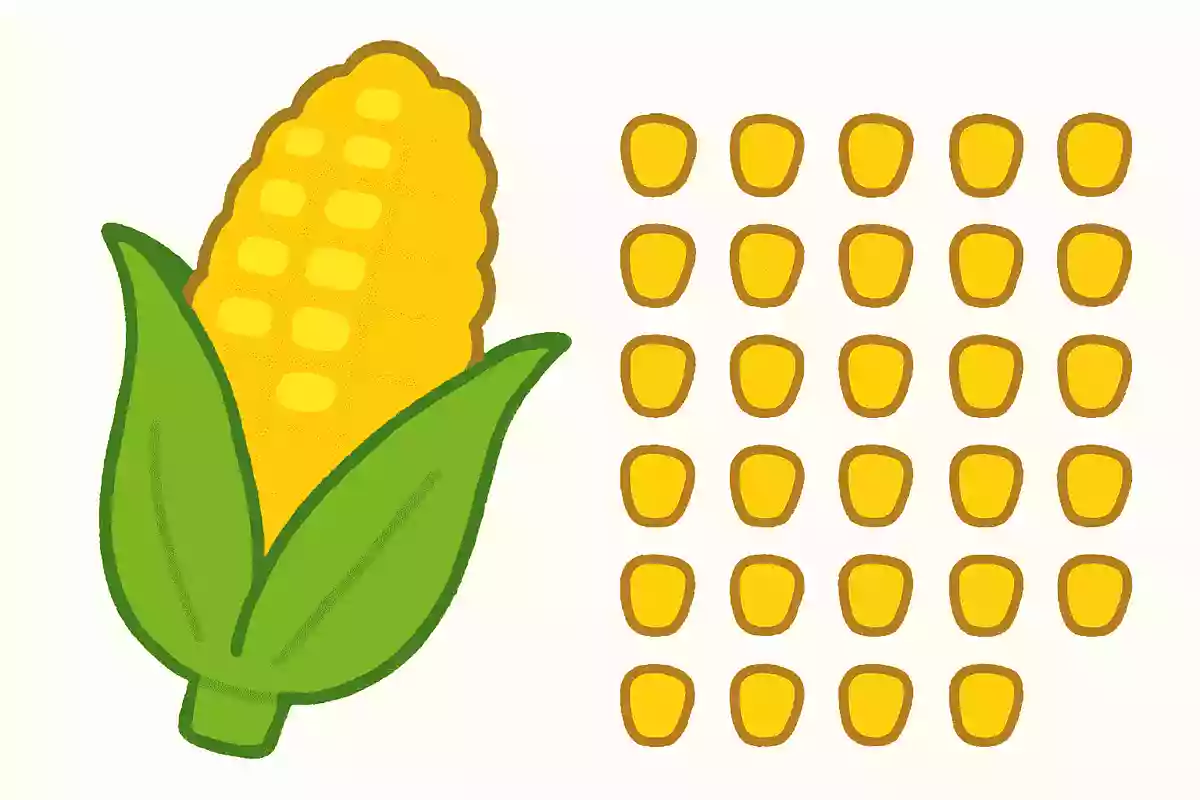
What will the number of corn kernels always be?
- even number
- odd number
- prime number
See the answer
even number
The number of kernels on an ear of corn is always even. I’ve heard that in the early stages of growth they aren’t necessarily even, but because the kernels split into two during development, they end up being even in the end. Why not try investigating this yourself for a science project?
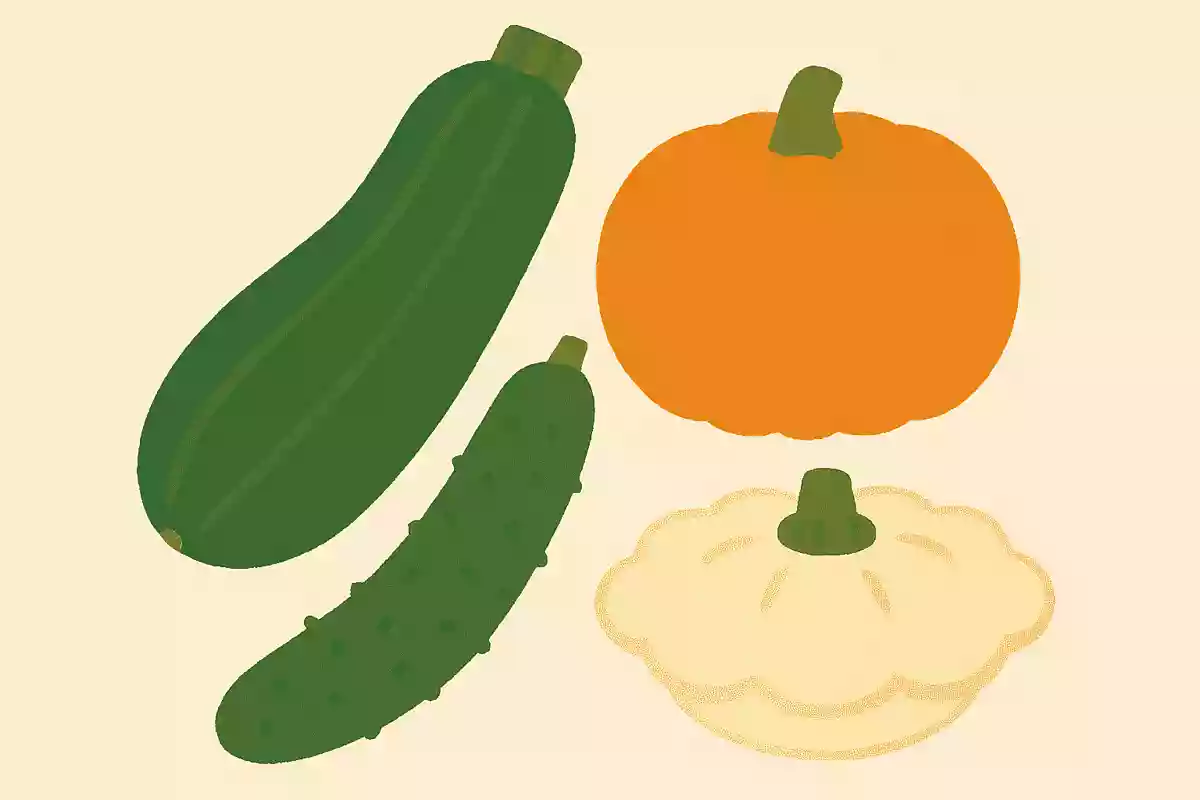
What kind of vegetable family does zucchini belong to?
- cucumber
- pumpkin
- tomato
See the answer
Squash family
Zucchini are often thought to be related to cucumbers because they look similar, but they’re actually a type of squash. They’re classified in the gourd family under the genus Cucurbita, and although they’re related to pumpkins, they’re characterized by being low in calories. By the way, the name “zucchini” comes from Italian and means “small pumpkin.”
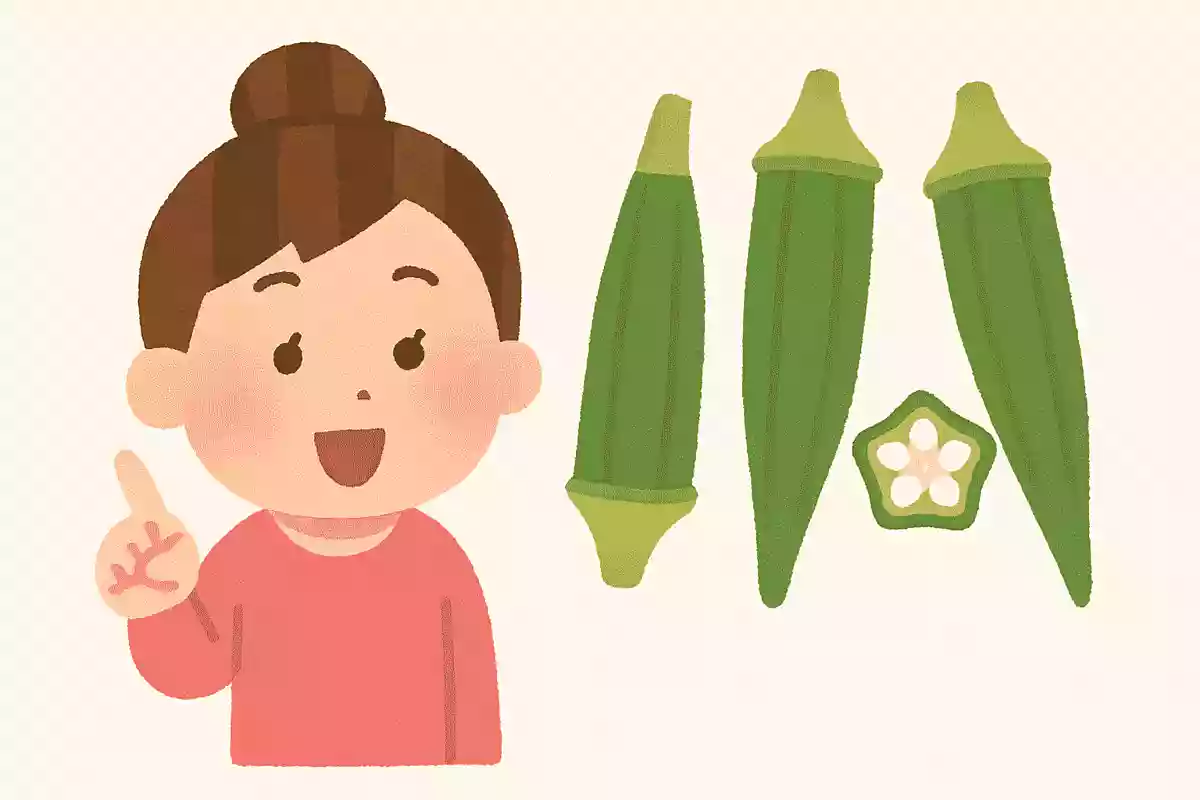
What language is the name “okra” from?
- English
- French
- Japanese
See the answer
English
The name “okura” comes directly from the English word “okra.” The term “okra” is used not only in English but also in languages like German and Spanish. Incidentally, in Japanese it can also be written as 陸蓮根 and pronounced “okarenkon.”
What is the best way to cut bell peppers to reduce their bitterness?

- vertical cut
- crosscut
- finely chopped
See the answer
vertical cut
If you’re not a fan of bell peppers’ bitterness, try slicing them lengthwise when cooking. Cutting lengthwise is less damaging to the pepper’s cells, which helps keep the bitter compounds from being released and reduces the bitterness. It also helps retain more nutrients, so lengthwise cuts are recommended for bell peppers.
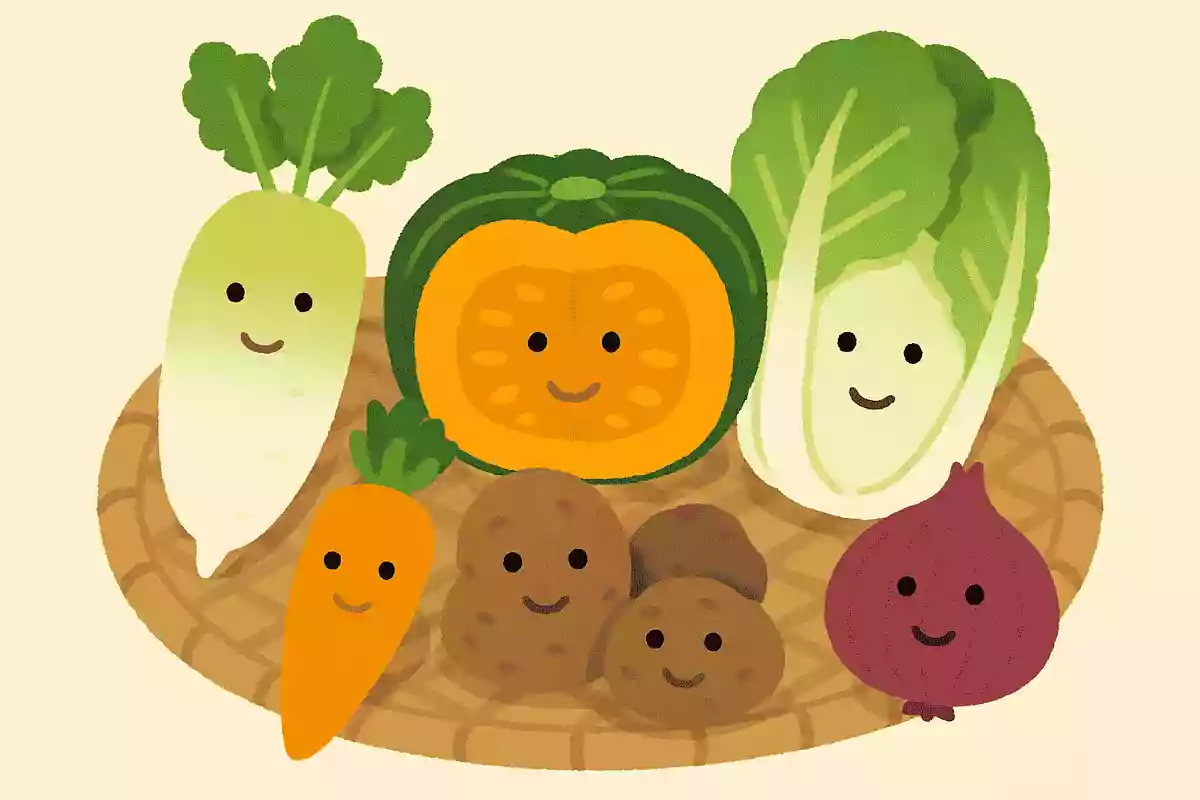
Which vegetables are good to eat during the winter solstice?
- pumpkin
- tomato
- cabbage
See the answer
pumpkin
Pumpkins are originally a summer vegetable. Because pumpkins harvested in summer keep well for a long time until winter, people began eating them on the winter solstice with the hope that the nutrient-rich squash would help them get through the cold season. There is also the reason that eating foods whose names contain the syllable “n” on the day of the winter solstice is said to bring good luck.
For consumption in which place were cherry tomatoes originally cultivated?

- airplane
- space station
- Fine dining restaurant
See the answer
airplane
Cherry tomatoes are a vegetable that was improved for serving as in-flight meals on airplanes. Regular tomatoes are typically sliced when used in dishes, which releases moisture and can affect other ingredients. To avoid this, cherry tomatoes, which can be served without slicing, were used.