

Cucumber trivia quiz. A collection of fun facts about cucumbers.

Cucumbers are a vegetable that many Japanese people likely eat on a daily basis, whether in salads, pickles, or vinegared dishes.
They’re one of the staple vegetables you can find at supermarkets year-round and are indispensable on the dining table! However, there are surprisingly many things we don’t know about cucumbers.
In this article, we’ll introduce a collection of fun facts about cucumbers in a quiz format.
We’ve selected a wide range of topics—from tips useful for cooking to those related to history—so please enjoy taking the quiz as you learn!
Cucumber Trivia Quiz: A Collection of Fun Facts About Cucumbers (1–10)
What percentage of cucumbers is made up of water?
- 50%
- 65%
- 95%
See the answer
95%
Of the components contained in cucumbers, water accounts for about 95%, a very high proportion. This indicates that cucumbers are a low-calorie food while also being excellent for hydration.

Why are kappa said to like cucumbers?

- Because cucumbers were once used in purification rituals
- Because cucumbers were a standard offering in the water deity faith.
- Because a kappa appeared near the temple that venerates cucumbers as its principal deity.
See the answer
Because cucumbers were a standard offering in the water deity faith.
The idea that kappa like cucumbers is connected to the worship of water deities. In addition to being regarded as water gods, it is customary in water-god worship to offer cucumbers. As these two elements became linked, the convention arose that kappa are fond of cucumbers.
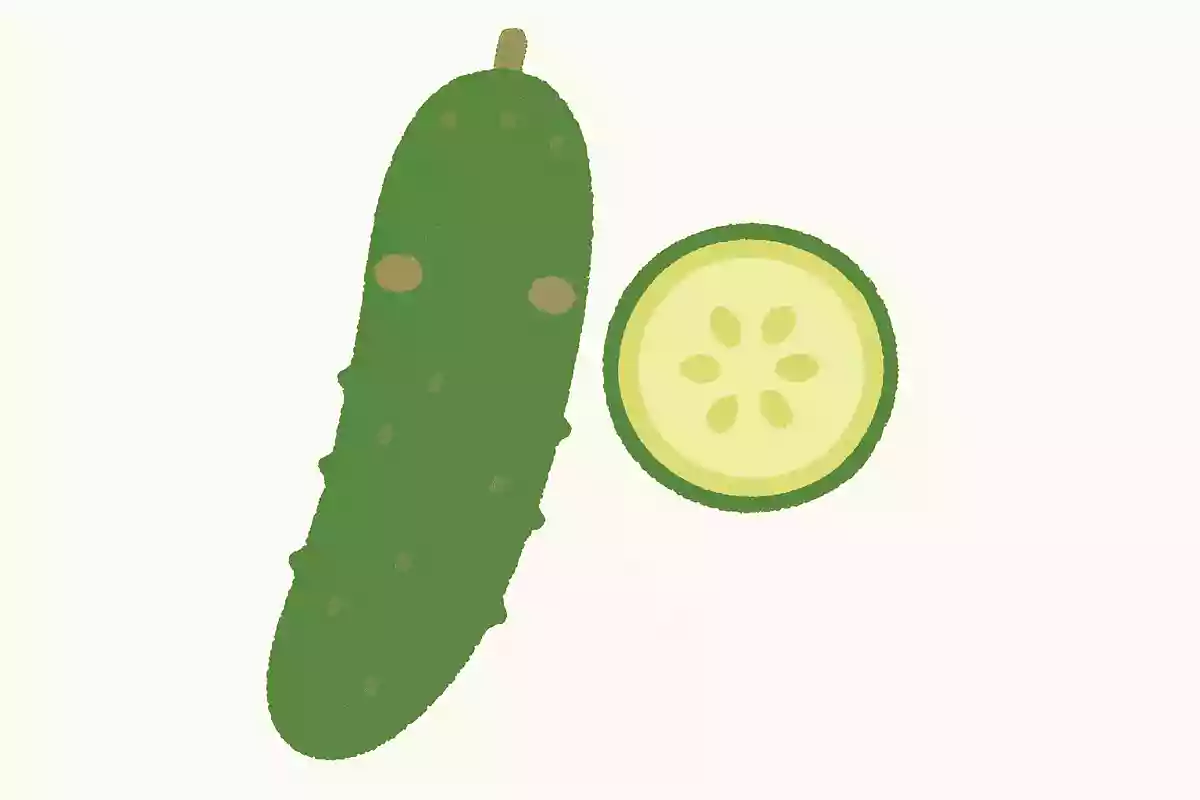
Where is the sweetest part of a cucumber?
- the tip on the opposite side of the temple
- the middle part
- End part on the crane side
See the answer
the tip on the temple side
The end of a cucumber where the vine was attached is considered the sweetest. During its growth, water and nutrients are sent to this area, causing sugars to concentrate there.
For what kind of achievement was the cucumber registered in the Guinness World Records?
- The least nutritious vegetable
- The vegetable with the highest water content
- The lowest-calorie vegetable
See the answer
The lowest-calorie vegetable
Cucumbers are known as a very low-calorie vegetable due to their high water content. This characteristic was registered as a Guinness World Record. However, in Japan, there is a widespread misconception that they were recorded as the “least nutritious vegetable” in Guinness.
What effects does salting cucumbers (shio-momi) have?
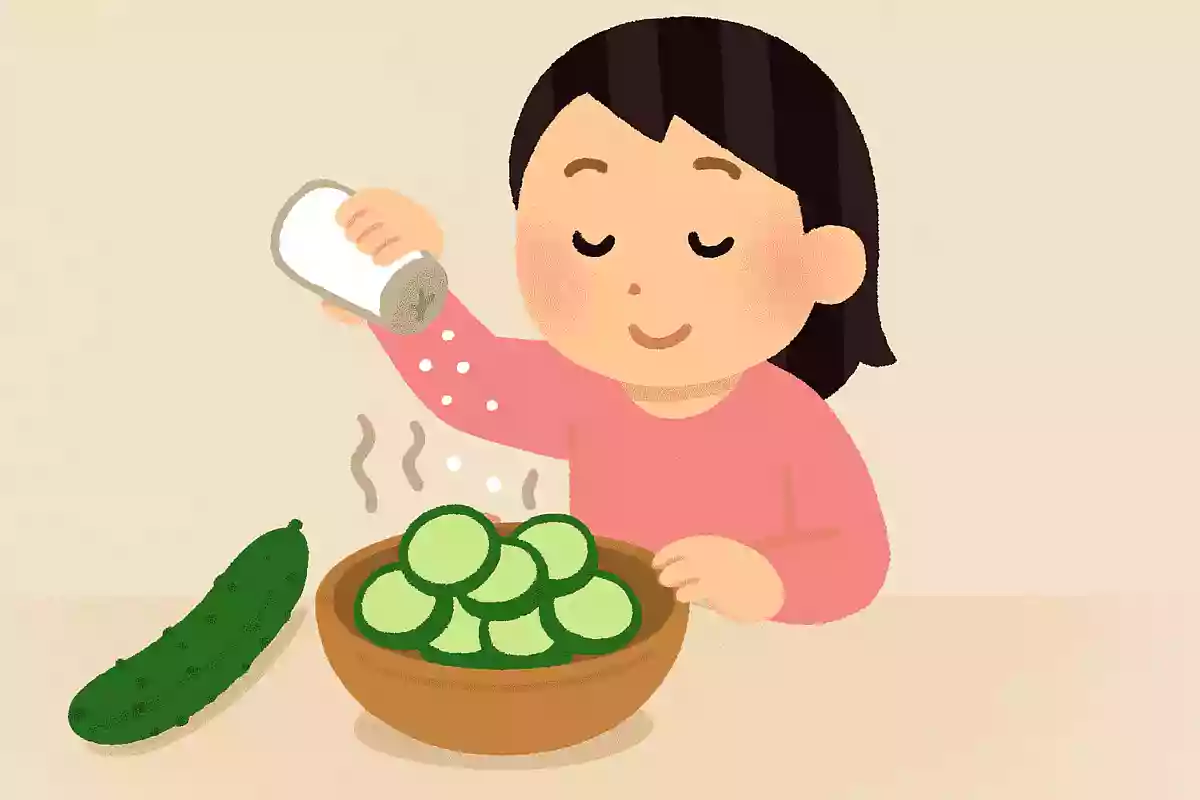
- Enhance nutritional value
- season (something) / add seasoning
- to help the flavors soak in
See the answer
to help the flavors soak in
When you salt-rub cucumbers, excess moisture is drawn out of the vegetable and the texture firms up. This makes it easier for flavors to penetrate. Therefore, salt-rubbing is effective when adding them to salads or making vinegared dishes.
What effects does the potassium, which is abundant in cucumbers, have?

- sleep-improving effect
- Reduce swelling
- Strengthen bones
See the answer
Reduce swelling
Potassium, which is abundant in cucumbers, helps reduce swelling. Potassium expels excess sodium from the body, which in turn helps alleviate puffiness. Incidentally, cucumbers contain about 200 mg of potassium per 100 g, which is about the same amount as cabbage or lettuce.
Which method is preferable for storing cucumbers?
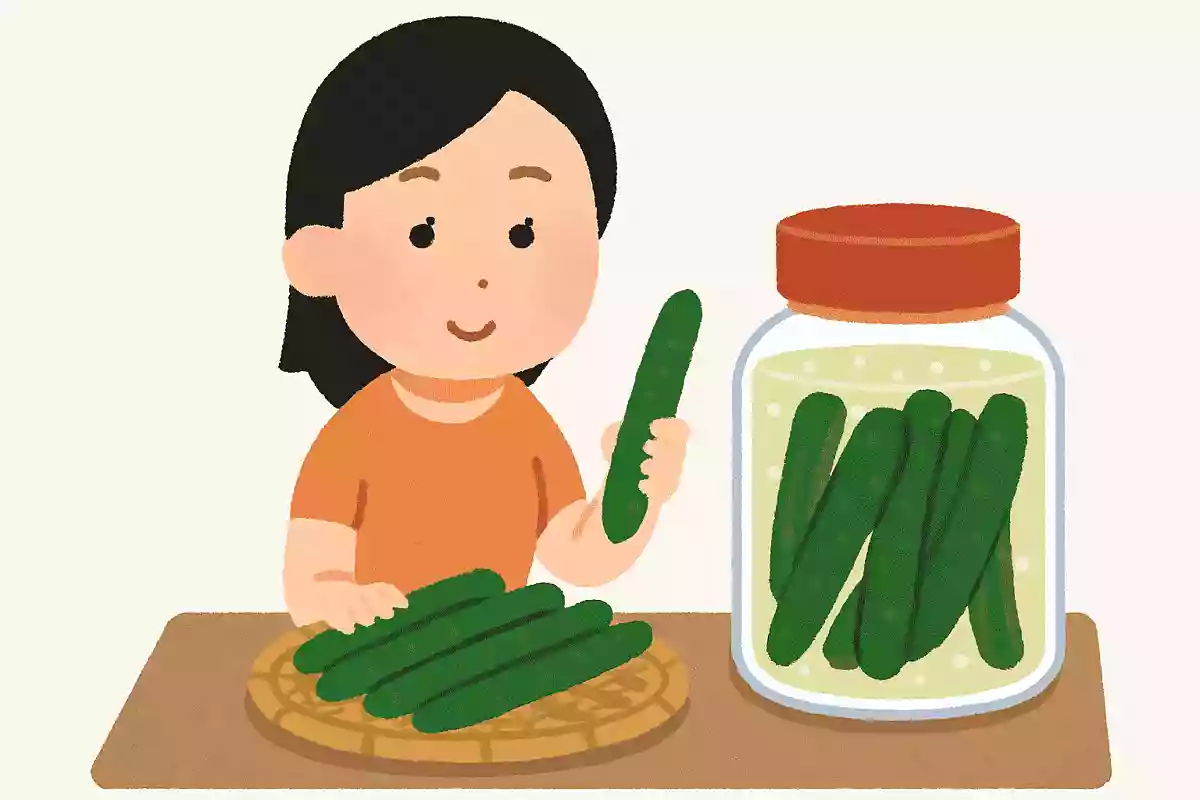
- Wrap it in paper towels and store it upright in the refrigerator.
- Store it in a plastic bag and keep it in the freezer.
- Soak in water and store at room temperature.
See the answer
Wrap it in paper towels and store it upright in the refrigerator.
The key to keeping cucumbers fresh longer is to store them away from moisture and dryness. Wrapping them in paper towels or newspaper absorbs excess moisture, and it’s recommended to store them upright in the refrigerator. Storing them upright is said to mimic their natural position before harvest.