

Get Healthy with Vegetables: Trivia Quiz About Vegetables

When it comes to foods essential for your daily diet for good health, vegetables are a must, right?
For your health, it’s recommended to consume about 350 grams of vegetables per day.
So, how much do you really know about these health-essential vegetables?
In this article, we’ll introduce fun facts about vegetables in a quiz format!
Many people—especially children—aren’t fond of vegetables because of their bitterness or texture.
However, by learning about vegetables through quizzes like these, you might become more interested and feel like giving them a try.
No matter your age, be sure to take on the vegetable quiz together!
- Cucumber trivia quiz. A collection of fun facts about cucumbers.
- [Did you know?] Fun Trivia Quiz About Health
- Trivia and fun facts about food (summary)
- How Much Do You Know? Food Quiz for Elementary School Students
- Deepen your knowledge of food! A three-choice trivia quiz
- Surprisingly unknown? Health trivia quiz. A multiple-choice (three options) mini knowledge quiz about health.
- [Trivia] A quiz to deepen your corn knowledge
- [3-Choice Quiz] A quiz about foods that will make you hungry
- [True or False?] Diet Trivia Quiz
- Coffee Trivia Quiz: A one-stop introduction to lots of fun facts
- How many can you read? A quiz on difficult kanji for foods
- [For Seniors] Surprisingly Unknown! General Knowledge Quiz
- A Food Quiz for Seniors to Make Eating More Enjoyable
[Get Healthy with Vegetables] Fun Facts Quiz about Vegetables (1–10)
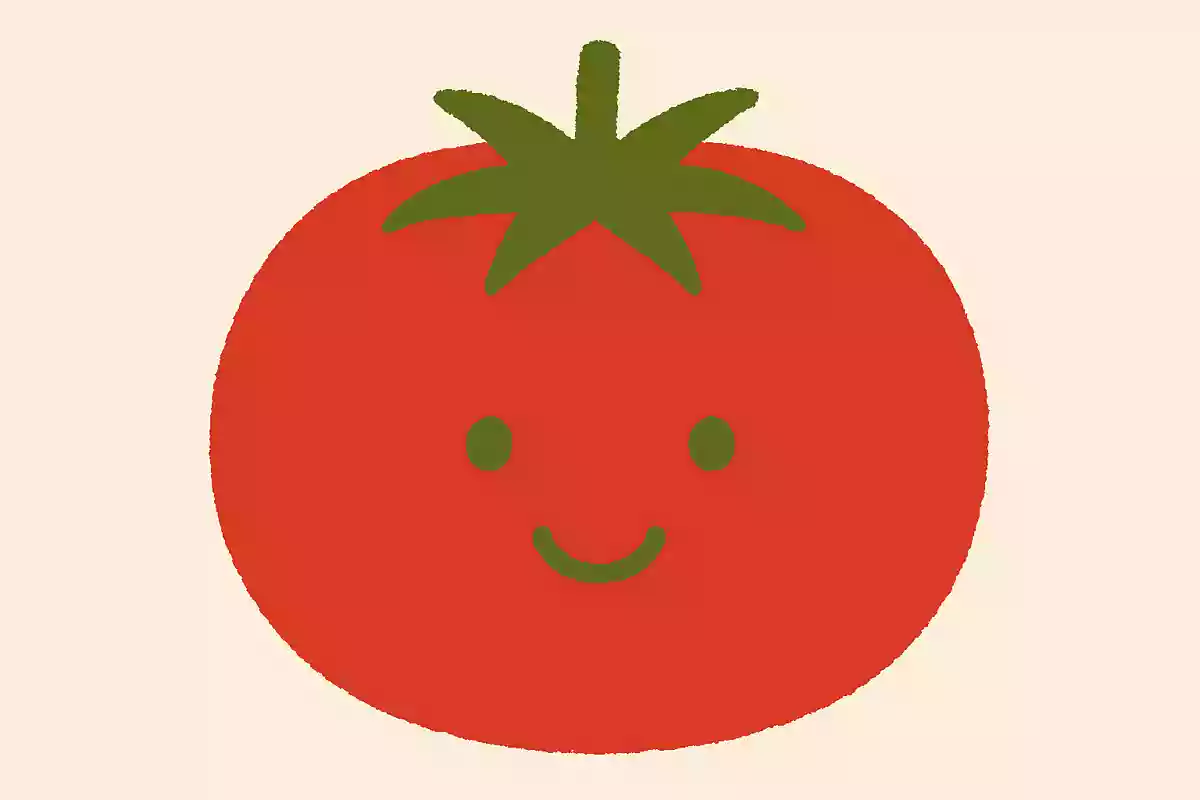
Which of the following is another name for a tomato?
- red pumpkin
- red radish
- red eggplant
See the answer
red eggplant
Because tomatoes are classified in the genus Solanum of the nightshade family, they are sometimes written as “red eggplant” in Japanese. Tomatoes also have various other alternative names, such as “banka” and “sangoju nasu.” The word “tomato” is said to originate from Nahuatl, a language widely used in Mexico.

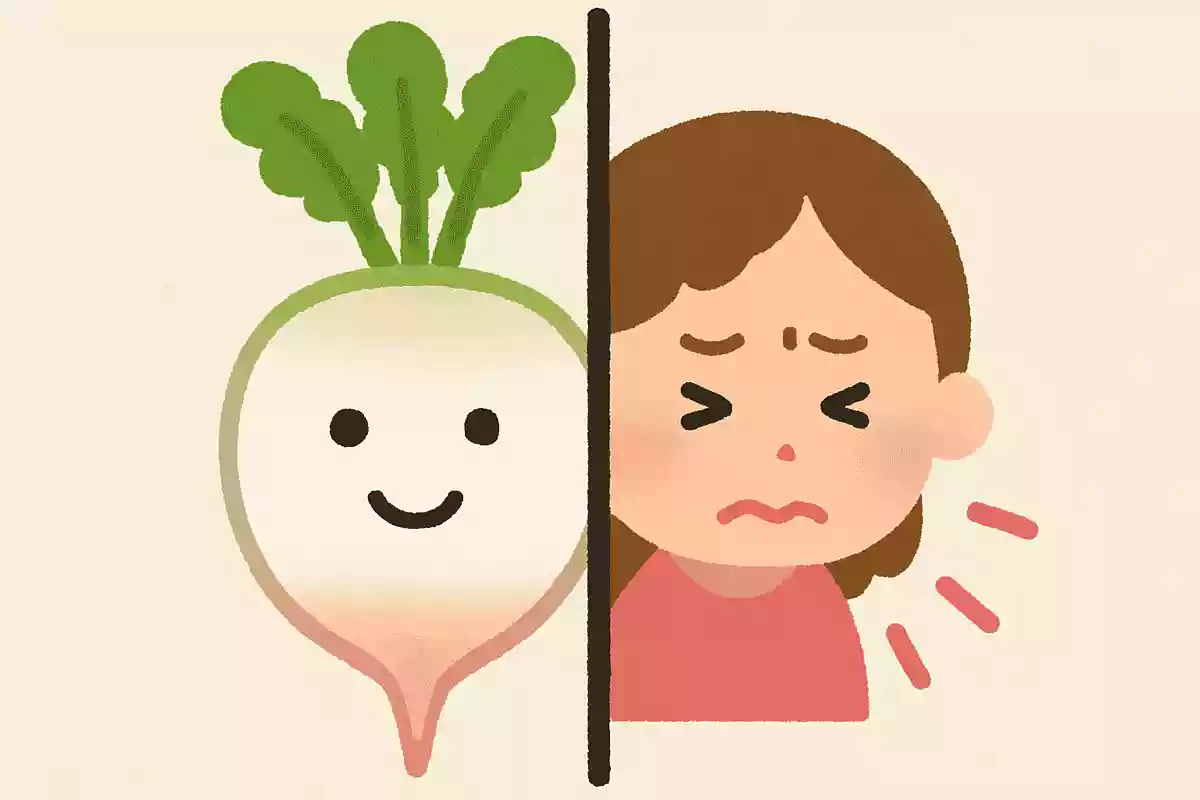
Which part of a daikon is spicy?
- upper part
- the middle part
- the bottom part
See the answer
the bottom part
Daikon radishes vary in flavor depending on the part. The lower portion is spicier, the upper portion is sweeter, and the middle has a flavor in between. The spicier lower part is recommended for dishes like pickles, simmered dishes, and miso soup.
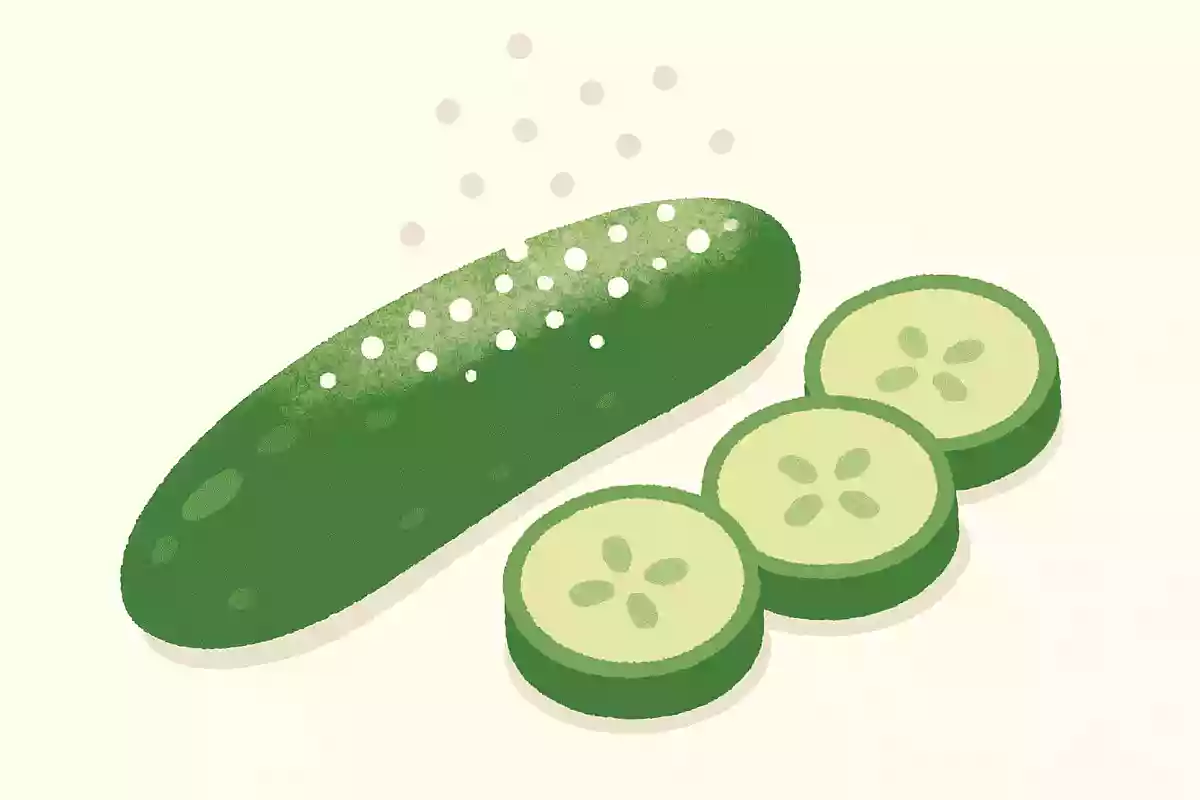
What is the white powder on cucumbers?
- salt
- starch
- bloom
See the answer
bloom
The white powder seen on cucumbers is called “bloom.” It is naturally secreted as cucumbers grow and helps prevent moisture from evaporating. Because it can look like pesticides or mold, cucumbers without bloom have become more commonly sold in stores.
[Get Healthy with Vegetables] Fun Facts Quiz about Vegetables (11–20)
Which part of the potato are we eating?

- leaf
- stem
- root
See the answer
stem
The potatoes we usually eat are actually not roots but stems! They form when underground stems—called stolons—swell and become the potato. Potatoes are generally in season in spring and autumn, and those harvested in spring are called “new potatoes.”
Which of the following explains why cucumbers have spines?

- To indicate the completion of growth
- To prevent it from being eaten
- To stand out
See the answer
To prevent it from being eaten
Have you ever seen cucumber spines that look like little bumps or prickles? These spines grow as a defense to keep the cucumber from being eaten by animals before it has fully matured. As the cucumber grows, the bumps become less noticeable, but they’re also a sign of freshness.
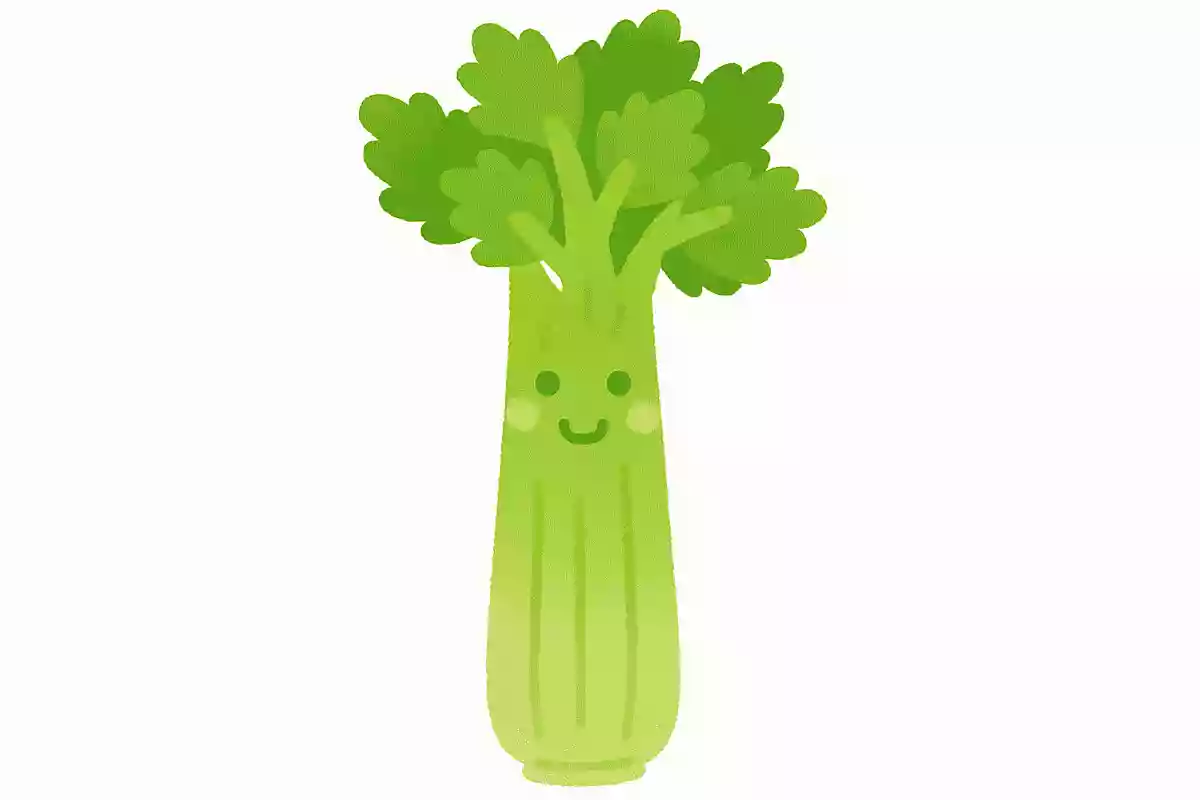
What is another name for celery?
- Nobunaga carrot
- Kiyomasa carrot
- Hideyoshi carrot
See the answer
Kiyomasa carrot
Celery is also known as “Kiyomasa carrot.” The name “Kiyomasa” comes from the Sengoku-period warlord Kato Kiyomasa. It’s said to be called “Kiyomasa carrot” because Kato Kiyomasa brought it back when he went on a military campaign to Korea.
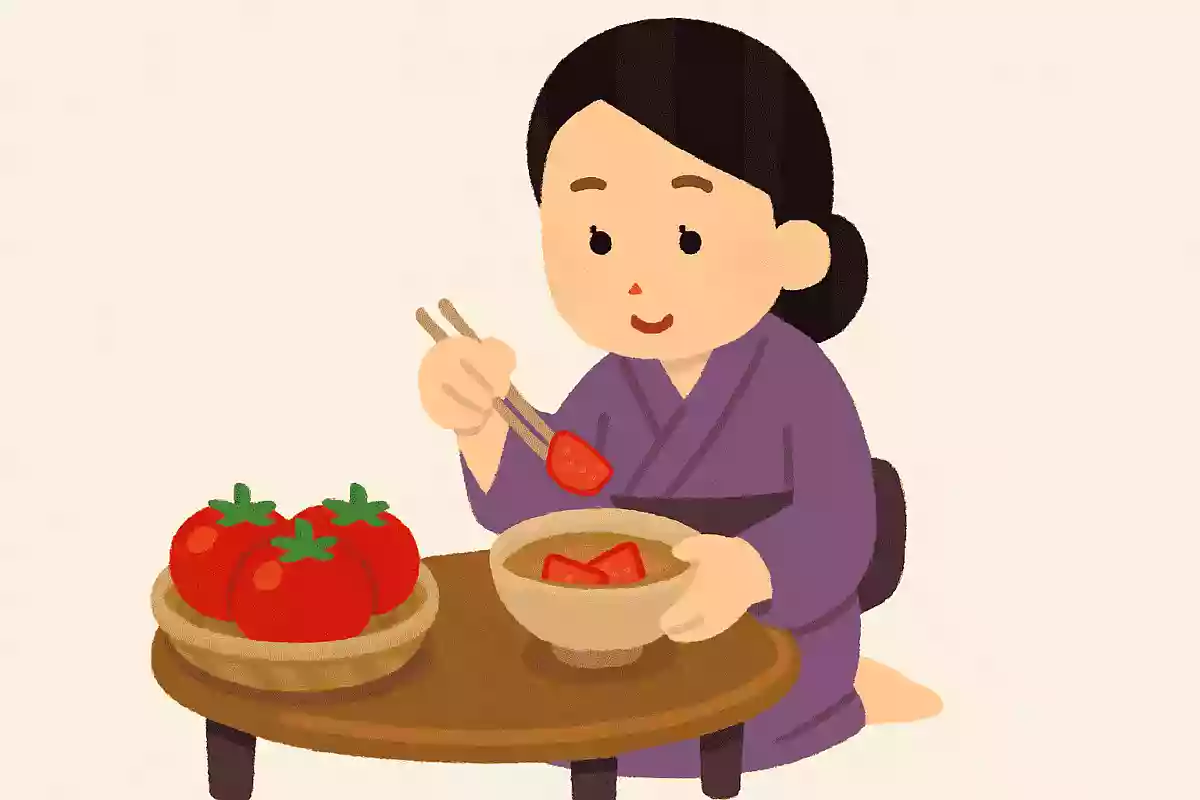
When tomatoes were first introduced to Japan, what were they used for?
- Seasoning
- For ornamental use
- Medicine ingredients
See the answer
For ornamental use
Tomatoes were introduced to Japan from Europe during the Edo period, but at first they were grown as ornamental plants. People of the time seemed put off by the bright red color of the fruit, as well as its strong acidity and aroma. Later, from around the late Meiji period, tomatoes began to be eaten as food.