


The ocean covers much of the Earth and is home to many living creatures.
Each creature has its own special characteristics and a role in nature.
The ocean is also essential to our daily lives, touching many aspects such as food, work, and play.
Here, we introduce fun ocean-animal trivia quizzes and tidbits you can learn from.
Teaching children about the ocean also helps nurture a heart that cherishes nature.
Be sure to deepen your learning while appreciating the charm of marine life.
- A surprisingly little-known collection of trivia quizzes and fun facts about the sea
- Trivia quiz with useful tips to know: fun facts that come in handy at school or at home [for kids]
- [For Kids] Fun Summer Trivia Quiz & Facts
- [For Elementary School Students] 3-Choice Quiz to Deepen Knowledge of Living Things
- [Knowledge Expander!] A Three-Choice Quiz about Fish for Elementary School Students
- [For Elementary School Students] Animal Quiz to Learn Knowledge and Fun Facts
- [For Kids] ONE PIECE Trivia & Fun Facts Quiz
- Recommended for elementary school students! Trivia quiz you'll want to share once you know it
- For trivia-loving kids! A recommended collection of scary trivia and fun fact quiz questions
- Make your summer festival even more fun! Trivia quizzes and fun facts for kids
- [Sea Creatures] Penguin Trivia Quiz: 3 Multiple-Choice Questions to Learn Fun Facts
- Become a trivia master with a multiple-choice quiz for elementary schoolers! A fun problem collection that captivates both kids and adults
- Recommended for lower grades! A fun, educational quiz for elementary school students
Learn While Having Fun! Ocean Trivia Quiz & Fun Facts for Kids (1–10)
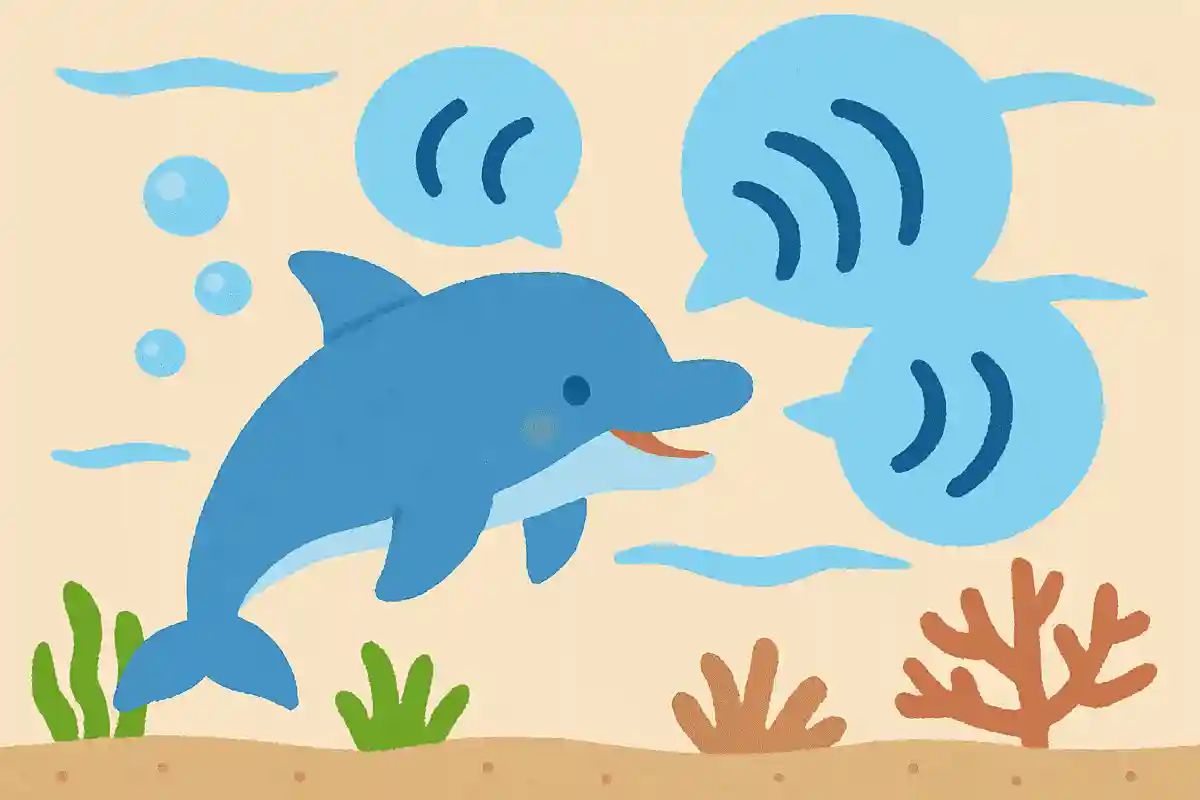
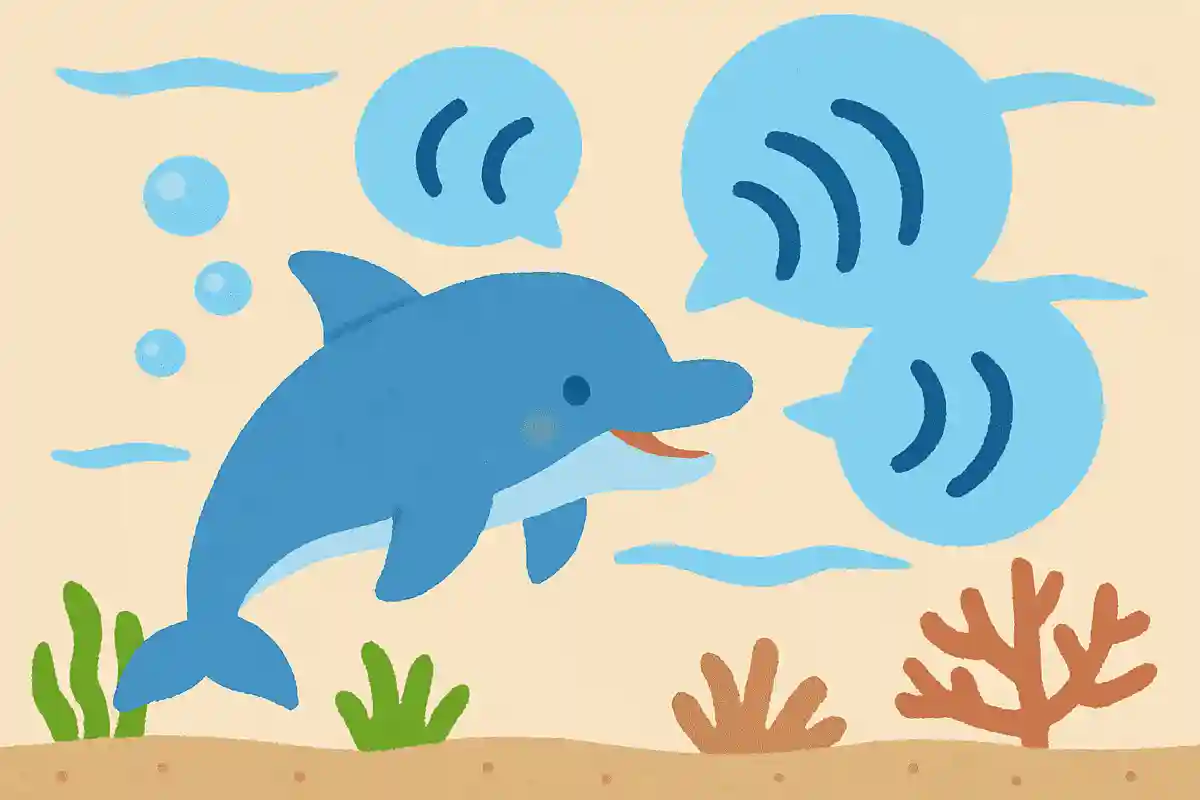
How do dolphins communicate?
- to slap the water with (one’s) tail
- Use your body to gesture
- Have conversations through sounds and voices
See the answer
Have conversations through sounds and voices
Dolphins use a variety of sounds and ultrasounds, such as clicks and whistles, to communicate feelings and information to one another. They communicate with their pod not only through vocalizations but also through special methods.

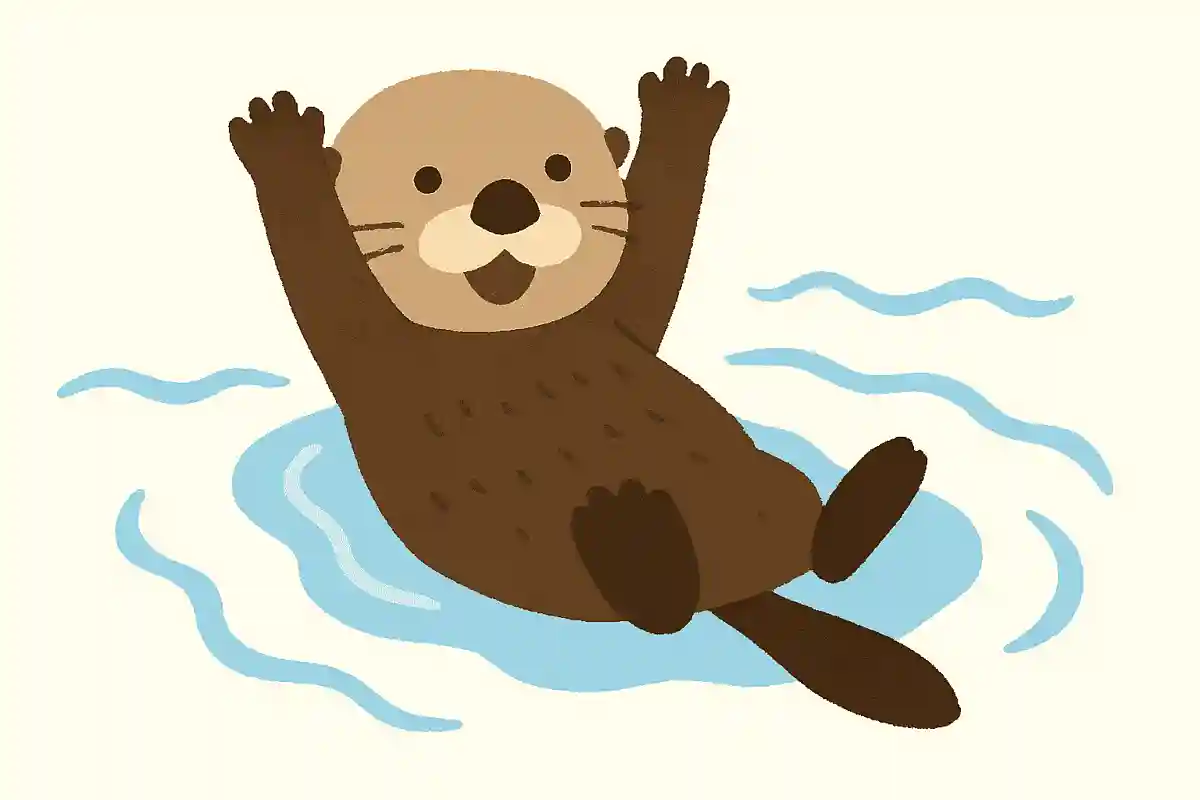
Why do sea otters often float on the water with their arms raised like they’re doing a banzai?
- To warm my stomach in the sunlight
- Because when my hands get wet they become cold, so I'm drying them.
- To look for fish while swimming
See the answer
Because when my hands get wet they become cold, so I'm drying them.
Sea otters have little fur on their hands, and when they get wet they quickly become cold. For this reason, they raise their hands out of the water—like doing a banzai—to warm and dry them so they don’t get too cold.
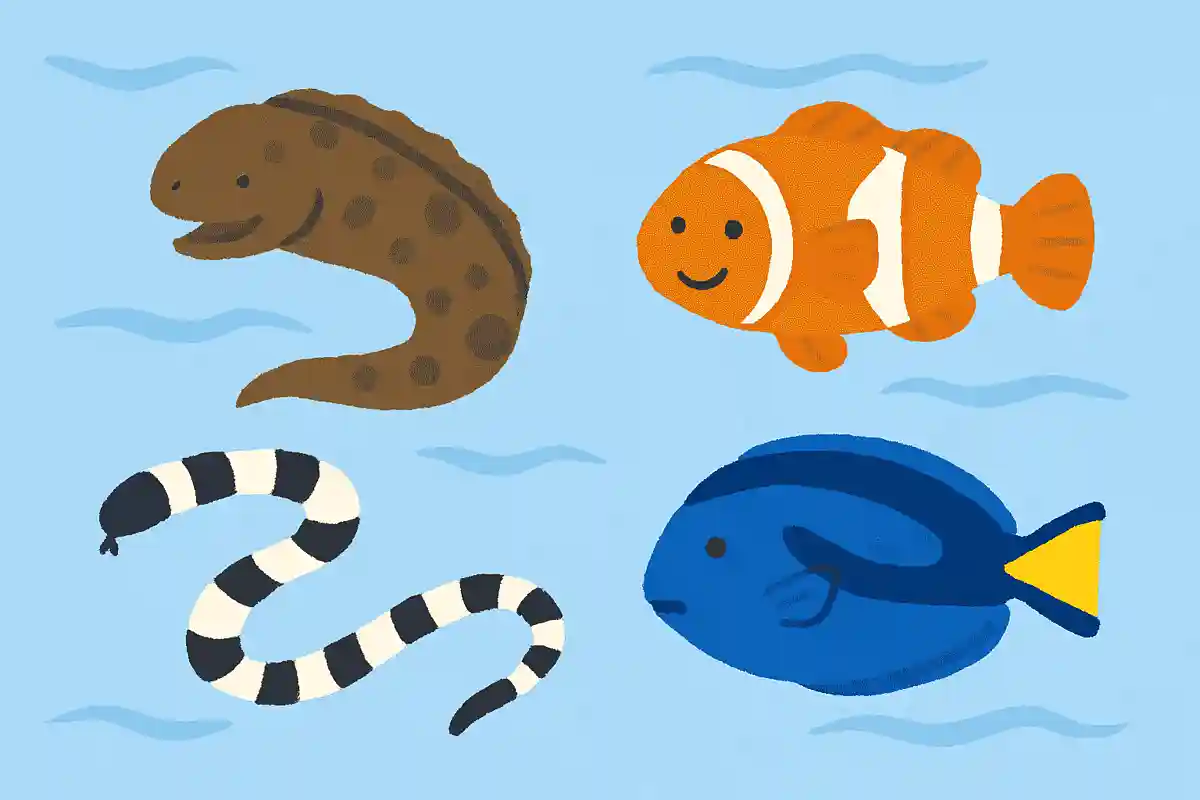
Which of these sea snakes is venomous?
- yellow-lipped sea krait
- green sea turtle
- manta
See the answer
yellow-lipped sea krait
The banded sea krait has potent venom, but it usually doesn’t attack people. Other animals like green sea turtles and manta rays aren’t venomous. So, among sea-dwelling snakes, there are indeed some species that possess strong venom.
What does a giant isopod taste like?
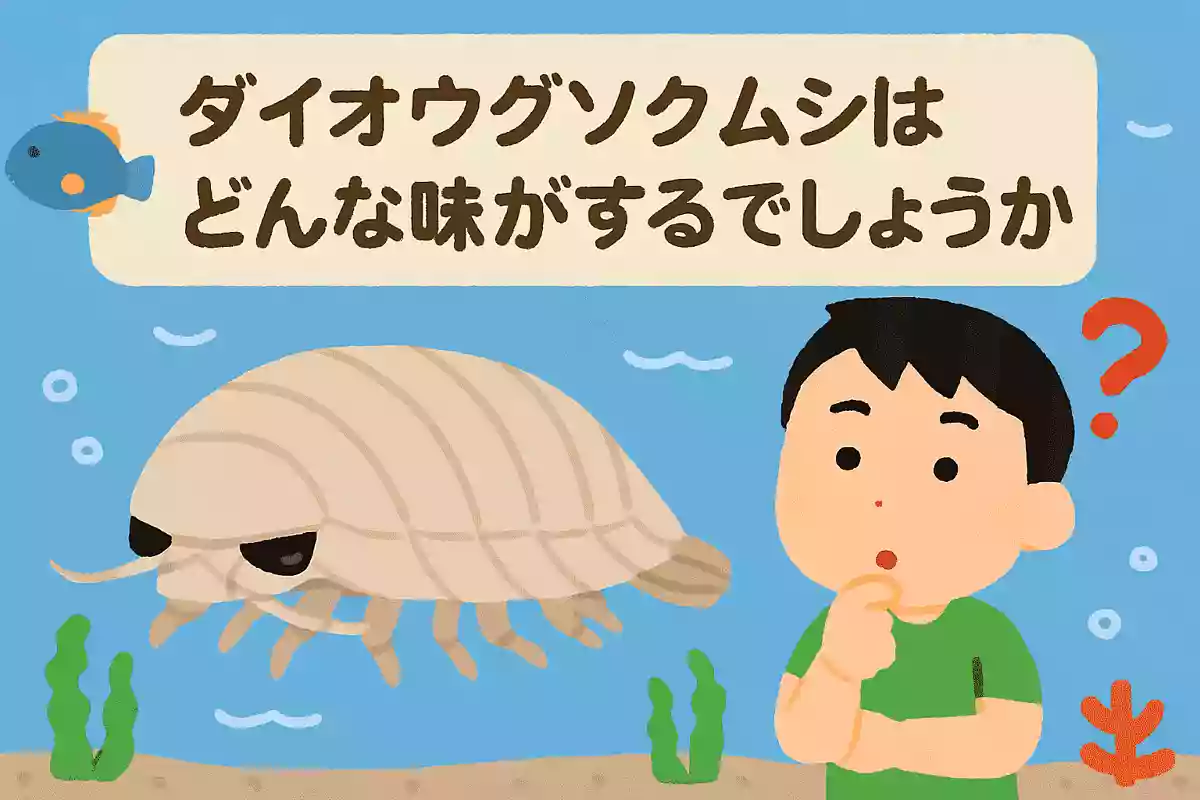
- Tastes like shrimp
- Tastes like frog
- Tastes like squid
See the answer
Tastes like shrimp
Since the giant isopod belongs to the same group as shrimp and crabs, it’s said to taste like shrimp. People who have actually eaten it on some TV shows have commented that it “tastes like shrimp.”
The wakame we usually eat is green, but what color is wakame when it’s alive in the ocean?
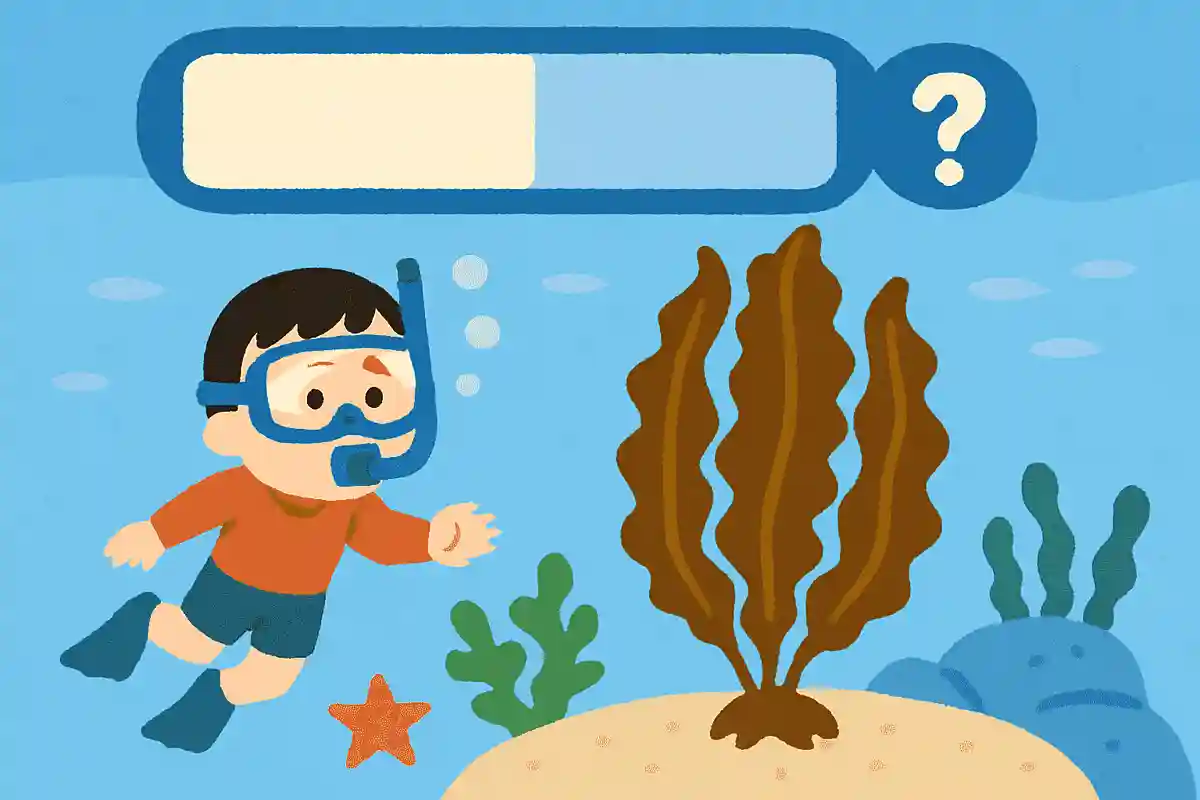
- brown
- red
- blue
See the answer
brown
Wakame living in the ocean is brown. When it is heated, its color changes and it turns green. So, wakame changes color when it is boiled or cooked.
Where is a jellyfish’s mouth located?
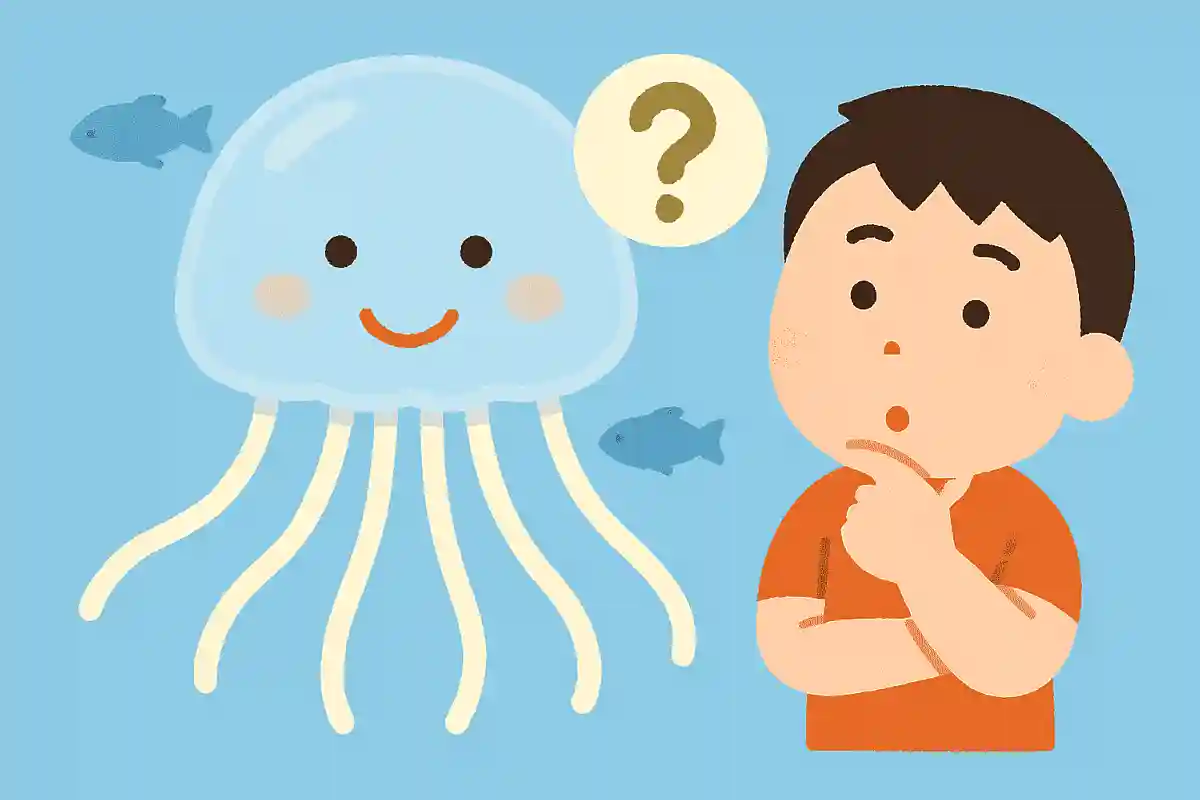
- the tip of the foot
- on the umbrella
- under the umbrella
See the answer
under the umbrella
A jellyfish’s mouth is located under its bell, in the center of its body. There is no mouth on its tentacles or on top of the bell. You can see it clearly when viewing the jellyfish from below.
Clownfish live together with sea anemones, which are supposed to be poisonous. How are they able to live together?
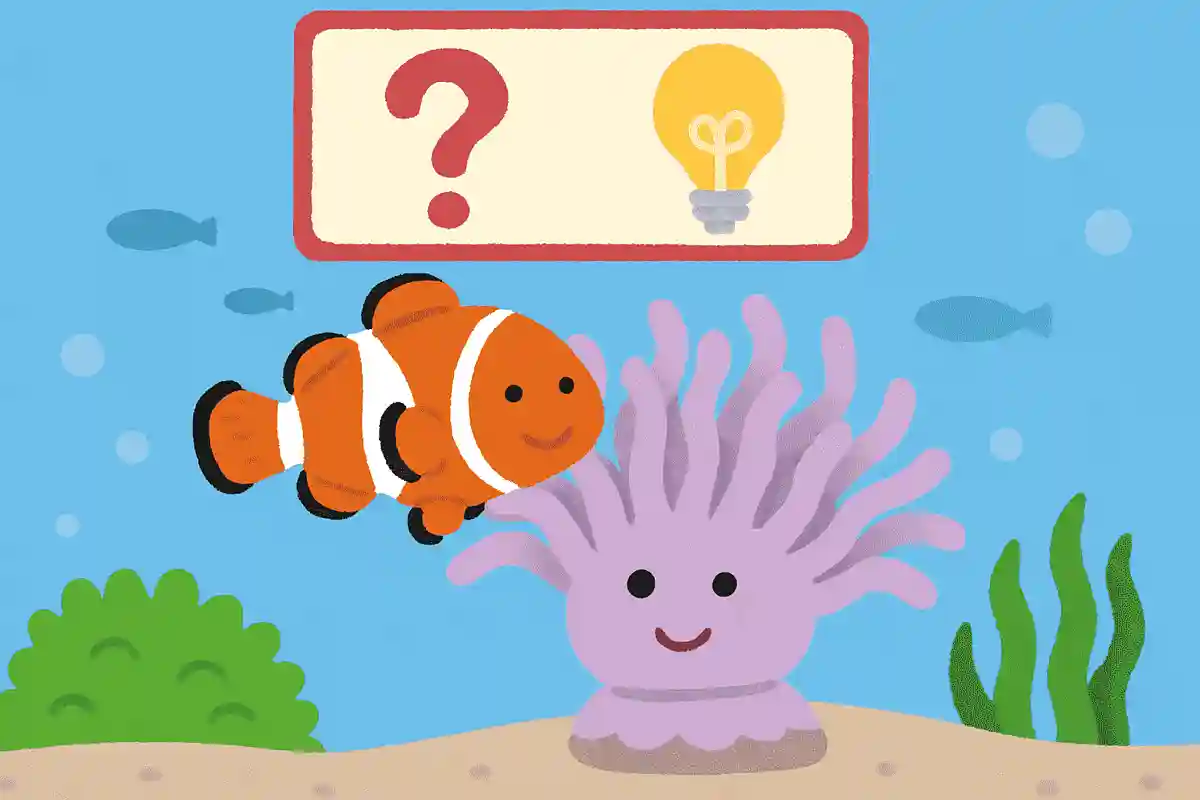
- Because clownfish have bodies that are immune to sea anemone venom.
- Because clownfish break down the anemone’s toxins in their bodies
- Because clownfish only look like sea anemones, they don't get attacked.
See the answer
Because clownfish have bodies that are immune to sea anemone venom.
The bodies of clownfish are covered with a special mucus that protects them from the stinging cells of sea anemones. Thanks to this, they can live together in harmony.