
Best City Pop Classics: Recommended Popular Songs [Timeless & Modern]

City pop has been gaining momentum, especially overseas, after Mariya Takeuchi’s “Plastic Love” exploded in views on YouTube.
Originally, it referred to songs from the late 1970s to the 1980s that emphasized a sophisticated, urban vibe, but over time its definition and interpretation have gradually expanded.
Since the 2000s, it’s also been discussed in terms of its stylish, moody image, and perceptions vary from person to person.
In this article, we’ll introduce a wide range of tracks—from classic, beloved city pop that laid the foundations of modern pop music to songs that capture a fresh, contemporary feel.
- Classic and hit Japanese pop songs from the nostalgic 80s
- [BGM] Attractive City Pop
- City pop perfect for creating a romantic date atmosphere (Adults Only)
- A collection of nostalgic hit songs and classics from the 70s
- Classic and hit J-pop songs from the nostalgic ’90s
- [Revisited] A roundup of popular and classic Showa-era songs that are trending now [2026]
- [Japanese Music] Masterpieces of 2000s Pop: A roundup of hit songs from 00s J-POP
- From City Pop to Ballads!! Mariya Takeuchi’s Easy-to-Sing Songs
- From Japan! Technopop masterpieces and recommended popular tracks
- Popular Showa-era pop. Timeless hit songs.
- Memorable Youth Songs: Looking Back on New Music Masterpieces from the 1970s–80s
- A Classic of Korean City Pop [KOREAN CITY POP]
- Nothing but iconic hits that defined an era! 2000s classics popular on TikTok
Best City Pop Classics: Recommended Popular Songs [Classics & Contemporary] (31–40)
Monochrome VenusIkeda Satoshi

Satoshi Ikeda’s debut single, released in August 1986.
It was featured in a commercial for the Suzuki Alto.
Backed by a strong tie-in with a major automaker during the bubble era, he scored a hit with his debut and became one of the leading figures of late-1980s city pop.
It peaked at No.
9 on the Oricon charts, with total sales of 220,000 copies.
You’re My Only Shinin’ StarKadamatsu Toshiki

A famous song provided to Miho Nakayama in 1988.
In 1991, it was self-covered in English on the best-of album “TEARS BALLAD,” and then covered again in Japanese on the 2000 self-cover album.
While Toshiki Kadomatsu is often noted for his work as a songwriter, he has also released many sophisticated, adult-tinged pop songs as a singer, and his albums are well worth listening to.
If I Could See You in My Dreams feat. Tomoyo HaradaDEEN

Eiichi Ohtaki, who handled guitar and vocals for Happy End—the band that brilliantly fused Japanese rhythm with ensemble playing and created masterpieces that left their mark not only on Japanese rock and folk but on music history—was one of the key figures who can be said to have established the genre of city pop.
Among his many classic solo tracks, a quintessential one is Yume de Aetara (If I See You in My Dreams).
Its dreamy melody has been covered and cherished by countless musicians.
It’s a beautiful pop tune Japan can be proud of.

A Happy EndingOhtaki Eiichi

Eiichi Ohtaki, who was active mainly in the 1970s and 80s as a singer-songwriter and a songwriter for other artists, released this song in February 1997 as the theme for Fuji TV’s Monday 9 p.m.
drama “Love Generation.” It reached No.
2 on the Oricon charts and sold a total of 970,000 copies, making it his biggest hit single.
Including the B-side “Let’s Start with Happy End,” the title plays on the name of the band “Happy End,” which Ohtaki once belonged to.
Morning of the PegasusIgarashi Hiroaki

Hiroaki Igarashi is a singer-songwriter who debuted in 1980 after an audition with a record company, and “Pegasus no Asa” (Pegasus Morning) was his third single, released in November 1980.
Chosen as a theme song for a Meiji Chocolate commercial, the track is unreservedly bright and refreshing.
It peaked at No.
3 on the Oricon charts and sold a total of 429,000 copies.
Best City Pop Classics: Recommended Popular Songs [Classics & Modern] (41–50)
In the Canary IslandsOhtaki Eiichi
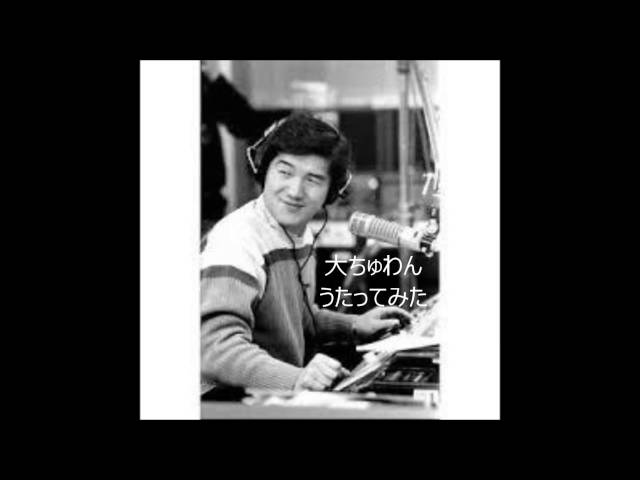
It was a single released by Eiichi Ohtaki in 1981, paired with the smash hit “Kimi wa Tennenshoku.” In terms of name recognition, “Kimi wa Tennenshoku” is probably better known, but this one gives off a stronger vacation vibe.
The track was included on the album aptly titled “A LONG VACATION.” The feeling of spending a holiday in the tropics radiates throughout the entire song.
Stop the night once moreSakiya Kenjirō

Kenjiro Sakiya, who had originally been on the side of providing songs to other artists, became a singer himself in 1987.
In October of that year, this work was released as a single; with a commercial tie-in, its recognition grew and it became a hit.
Performed in a piano-and-vocal style, the piece quietly seeps into the listener’s heart.