

[Classical] Classical music BGM. Recommended classical music as background music for work and study.

“I want to focus, but I still want music…” “I’m looking for BGM to listen to while I work.” For people like this, classical music is highly recommended.Its pleasant melodies and refined sounds clear your mind and boost productivity.That said, many people say, “There’s so much classical music—I don’t know what to choose.”In this article, we’ll introduce classical pieces that are especially suitable as BGM for working or studying.Whether you want quiet concentration or a relaxed working vibe, these selections fit a variety of situations—so please find your favorite track.
- [2026] Recommended for work and study! A collection of cool and stylish BGM
- Compilation of Sad BGM You've Heard Somewhere [Famous]
- Recommended classical masterpieces for BGM. Soothing classical music.
- [Piano] BGM played on piano. Classic and popular tracks recommended as background music for work or study.
- Music you can focus on while studying. Music that helps your study progress.
- [Orchestra] Introducing famous and popular pieces
- Cool classical masterpieces. Recommended classical music.
- Gets you pumped! A curated selection of popular and classic Japanese songs perfect as background music for work
- Boost your focus with background music for work! Popular and recommended tracks for jobs and exam study.
- Timelessly beautiful classical masterpieces. Recommended classical music.
- [Masterpiece Classics] A special showcase of gem-like masterpieces so beautiful they’ll move you to tears
- Songs that hype you up in the morning
- [Emotional BGM] Carefully selected masterpieces and popular tracks recommended for work and study!
[Classical] Classical music BGM. Recommended classical music for work and study BGM (71–80)
Piano Sonata No. 8 “Pathétique,” Second MovementLudwig van Beethoven
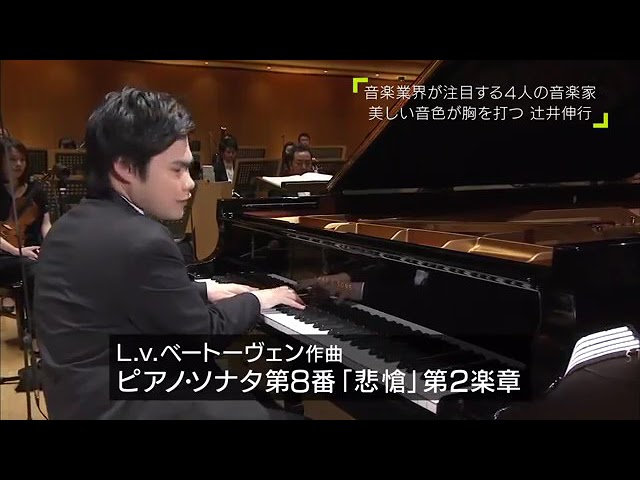
A masterpiece in which Beethoven set the sorrows of his youth to a beautiful melody.
Published in Vienna in 1799, it was dedicated to Prince Karl Lichnowsky.
Composed around the time he began to sense changes in his hearing, the piece is characterized by a timbre that blends sadness with warmth.
The lyrical second movement is especially popular and has been used in many films and TV dramas.
Its gently enveloping melody is perfect for enhancing concentration and is recommended as background music for studying or working.
If you want to enjoy a leisurely moment, be sure to lend an ear to this classic.
Symphony No. 5 “Fate”Ludwig van Beethoven

When it comes to classical music, there’s hardly anyone who doesn’t know this piece.
It’s one of the three great symphonies, loved around the world and performed countless times.
Its hallmark is the repeated “da-da-da-daaaan” rhythm played by various instruments, but it’s also a moving work filled with beautiful melodies throughout.
Tannhäuser: OvertureRichard Wagner

This work by Wagner was also composed for opera.
The overture is the most famous part, weaving in various melodies that appear in the opera and heightening anticipation for what is to come.
Among Wagner’s pieces, it is one of the more accessible and easy to listen to.
Symphony No. 3 “Rhenish”Robert Schumann

This is a well-known work by Schumann, famous for its piano pieces.
Although the title “Rhenish” was not given by the composer himself, it is clear that he was inspired by the Rhine River, and the piece beautifully evokes scenes of the river.
It is also said to have been influenced by Beethoven’s “Eroica” Symphony.
Kinderszenen, Op. 15, No. 7: “Träumerei”Robert Schumann

A masterpiece by Robert Schumann whose dreamy, beautiful melody makes you swoon without thinking.
Composed in 1838, this work is one of the most popular pieces in his collection that expresses the innocence and purity of children.
The piano’s delicate timbre gently paints quiet dreams and longings.
Featured in the 1947 Hollywood film “Song of Love,” this piece has continued to move the hearts of many.
With a gentle mood throughout, it’s perfect as calming background music for work or study.
Scenes from Childhood, Op. 15 No. 7 “Träumerei”Robert Schumann

A representative work by Robert Schumann whose dreamy, beautiful melody makes you melt away.
Composed in 1838 as part of the collection Scenes from Childhood, a piano suite portraying a childlike spirit for adults, this piece has been performed not only on piano but also on violin, cello, flute, and many other instruments, capturing the hearts of a wide audience beyond classical music fans.
It’s perfect for work or study, encouraging quiet concentration.
The gently flowing melody will soothe your mind before you know it.
Turkish MarchWolfgang Amadeus Mozart
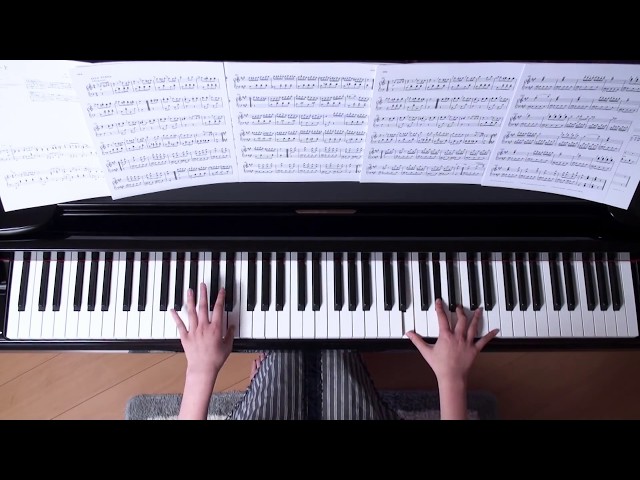
This is Wolfgang Amadeus Mozart’s “Turkish March,” familiar to those who use music textbooks or take piano lessons.
Many of you probably know the piece and like to listen to it as background music for work or studying.
Also, listening to classical music or Mozart’s works might make you seem smart, in a way.
Plus, since it has a quick tempo and is easy to get into, it’s a recommended classical piece for work or study BGM.