

[Classical] Classical music BGM. Recommended classical music as background music for work and study.

“I want to focus, but I still want music…” “I’m looking for BGM to listen to while I work.” For people like this, classical music is highly recommended.Its pleasant melodies and refined sounds clear your mind and boost productivity.That said, many people say, “There’s so much classical music—I don’t know what to choose.”In this article, we’ll introduce classical pieces that are especially suitable as BGM for working or studying.Whether you want quiet concentration or a relaxed working vibe, these selections fit a variety of situations—so please find your favorite track.
- [2026] Recommended for work and study! A collection of cool and stylish BGM
- Compilation of Sad BGM You've Heard Somewhere [Famous]
- Recommended classical masterpieces for BGM. Soothing classical music.
- [Piano] BGM played on piano. Classic and popular tracks recommended as background music for work or study.
- Music you can focus on while studying. Music that helps your study progress.
- [Orchestra] Introducing famous and popular pieces
- Cool classical masterpieces. Recommended classical music.
- Gets you pumped! A curated selection of popular and classic Japanese songs perfect as background music for work
- Boost your focus with background music for work! Popular and recommended tracks for jobs and exam study.
- Timelessly beautiful classical masterpieces. Recommended classical music.
- [Masterpiece Classics] A special showcase of gem-like masterpieces so beautiful they’ll move you to tears
- Songs that hype you up in the morning
- [Emotional BGM] Carefully selected masterpieces and popular tracks recommended for work and study!
[Classical] Classical music BGM. Recommended classical music for work and study BGM (51–60)
Academic Festival OvertureJohannes Brahms

Here’s a recommendation for classical music that makes great study BGM.
The orchestral overture composed in 1880 is a work that showcases Johannes Brahms’s musical brilliance and playful spirit.
Written as a token of gratitude for being awarded an honorary doctorate from the University of Breslau, the piece expresses fond memories of student days through music.
Skillfully weaving together four student songs, it fuses Brahms’s classical craftsmanship with Romantic expression into a dazzling, roughly 10-minute musical panorama.
It’s a perfect pick for those looking to get into classical music or anyone feeling nostalgic for their own student years.
Like a melodyJohannes Brahms
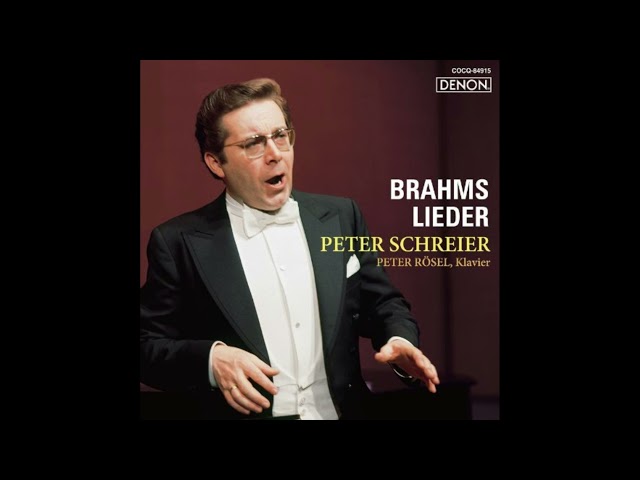
Classical art songs are also recommended as background music for work or study.
The song composed in 1888 is one of the representative works from Johannes Brahms’s mature period.
Known as one of the three great Bs of German music alongside Bach and Beethoven, Brahms inherited the Classical tradition while pursuing his own distinctly Romantic expression.
This piece sets words by the poet Klaus Groth and depicts a melody flowing quietly through the heart.
Though a short, roughly two-minute work in A major, it features a dialogic structure between piano accompaniment and voice, highlighting Brahms’s introspective emotional expression.
It’s a great choice even for those just beginning to take an interest in classical music.
In the style of BorodinMaurice Ravel

A refreshing waltz composed at the request of Alfredo Casella—composer of parody pieces after Richard Wagner and Claude Debussy, and a friend of Maurice Ravel.
As the title “in the style of Borodin” suggests, it imitates the work of Alexander Borodin, one of the Russian Five.
With its clear, catchy melody, it flows naturally as background music for work or study.
The piano sonorities, melding into landscapes in that uniquely Ravel-like way, offer soothing comfort to every listener.

Ma mère l’OyeMaurice Ravel

How about this piece, which draws you into a world of musical storytelling as if speaking to you, as BGM for work or study? It’s a suite composed by Maurice Ravel in 1908, consisting of five movements inspired by fairy tales and created as music for children.
Characterized by elegant, dreamlike sonorities, it showcases Ravel’s delicate musicality to the fullest.
First presented for piano four hands, it was orchestrated in 1911, adding even richer colors to its expression.
Each movement vividly portrays scenes from various stories—such as Sleeping Beauty and the Queen of the Pagodas—through music.
It’s also recommended for those who want to become familiar with a work that invites you into a fairy-tale world.
It’s a great idea to add both the orchestral and piano versions to your playlist and let them play on repeat!
[Classical] Classical music BGM. Recommended classical music for work and study (61–70)
Pavane for a Dead PrincessMaurice Ravel
A graceful masterpiece by the French composer Maurice Ravel.
Born in 1899 as a piano piece and later arranged for orchestra, this work captivates listeners with its quiet beauty.
It has been used in TV commercials and films, and remains widely beloved today—perfect as background music for working or studying.
Within its roughly seven-minute duration, delicate melodies evoke the elegance of an old courtly dance.
Ravel’s signature refined timbre and restrained expression are enchanting, making it a piece that even first-time listeners can enjoy and immerse themselves in.
Recommended for those who want to become familiar with classical music or are seeking graceful, elegant sounds.
Waltz of the Flowers from The Nutcracker (ballet music)Pyotr Tchaikovsky

The pleasant melody woven by the graceful waltz rhythm evokes a sense of unhurried time.
Its triple meter and the delicate harmonies of strings and woodwinds create an exquisite balance that boosts concentration without causing stress.
Premiered in Saint Petersburg in December 1892, the piece has been featured widely in various media since its use in Disney’s Fantasia and is well loved as a calming work.
It’s recommended for times when you want to focus in a quiet setting—studying, reading, or desk work.
Why not spend an intellectually enriching, relaxing time with this piece that showcases Tchaikovsky’s masterful compositional technique?
Suite bergamasque, No. 3: Clair de LuneClaude Debussy

A piano masterpiece that could be called the most famous of Claude Debussy’s works.
It is a dreamy and beautiful piece that conjures up the image of a moon faintly floating in the quiet night sky and the mysterious space bathed in its light.
Although it is one of the pieces from the Suite bergamasque, published in 1905, it is often performed on its own, and many people are inspired by this piece to begin learning the piano.
While not particularly difficult technically, expressing the world of the piece is a formidable challenge! It’s also recommended to look at photos of moonlit landscapes to cultivate a concrete image as you play.