

Cojicoji’s famous quotes: words that make you chuckle and gently lighten your heart


Loose and free, yet suddenly piercing to the heart.The words spoken by the characters in Sakura Momoko’s manga “Coji-Coji” carry that kind of mysterious power.When you’re pressed by the busyness of daily life or a little worn out by relationships, sometimes unadorned words reach you more directly, don’t they?In this article, we’ll introduce a variety of memorable quotes spoken by the characters who appear in “Coji-Coji”!By the time you finish reading, you may find your shoulders relaxing without even noticing.
- Witty quotes that make you chuckle without thinking
- Not just the main characters! Short quotes that add depth to anime works
- Powerful yet gentle, words that save the heart... Encouraging words that lift you up in tough times.
- The magical power of words that make people laugh! A collection of quotes that lighten the heart
- Shinjiro Koizumi’s quotes that make you do a double take! A slowly-sinking-in collection of uniquely original sayings
- Short quotes from Disney characters. Words by Walt Disney as well.
- Another main character of 'Castle in the Sky'? Popular character Muska's famous quotes
- A collection of Doraemon’s quotes that instantly lift your spirits! Words that gently resonate with the heart
- [Spring Quotes] Glamorous words perfect for adding color to a new beginning
- That one line is sure to jolt you! Short but cool words
- A collection of famous quotes by manga characters that color our works and illuminate our lives!
- Short, piercing quotes from manga! A collection of one-liners that can change your life
- Ghibli quotes that resonate with the heart! A collection of inspiring lines that give you strength when you’re feeling down
Cojicoji’s famous quotes. Words that make you chuckle and gently lighten your heart (11–20)
God is wandering around in my heart, so He isn’t wandering around here.Coji-Coji
When we feel stressed at work or in our relationships, some of us may find ourselves blaming those around us.
However, the real cause might be that our own values and goals aren’t clearly defined.
By looking inward, we can recognize the true issues, which may lead to relieving that stress.
Even troubles in relationships can sometimes reveal solutions if we reassess our own expectations and communication before dwelling on dissatisfaction with others.
Deepening our understanding of ourselves may lead to better relationships and a more fulfilling life.
When you feel stressed, try to remember these words.

Whether it’s useful or not is something someone will say later, right?Frog

These words remind us that the value of what we’re doing is sometimes recognized later.
For example, even if you join a volunteer activity and feel at the time that you didn’t contribute anything, you might be thanked by other participants afterward.
The same goes for starting a new hobby—It might not seem useful right away, but by sticking with it, you may later feel glad you kept at it.
Rather than getting impatient because results don’t appear immediately, it might be important to take action first.
I’ll always have your back—that’s what friendship is all about.Kettle-kun
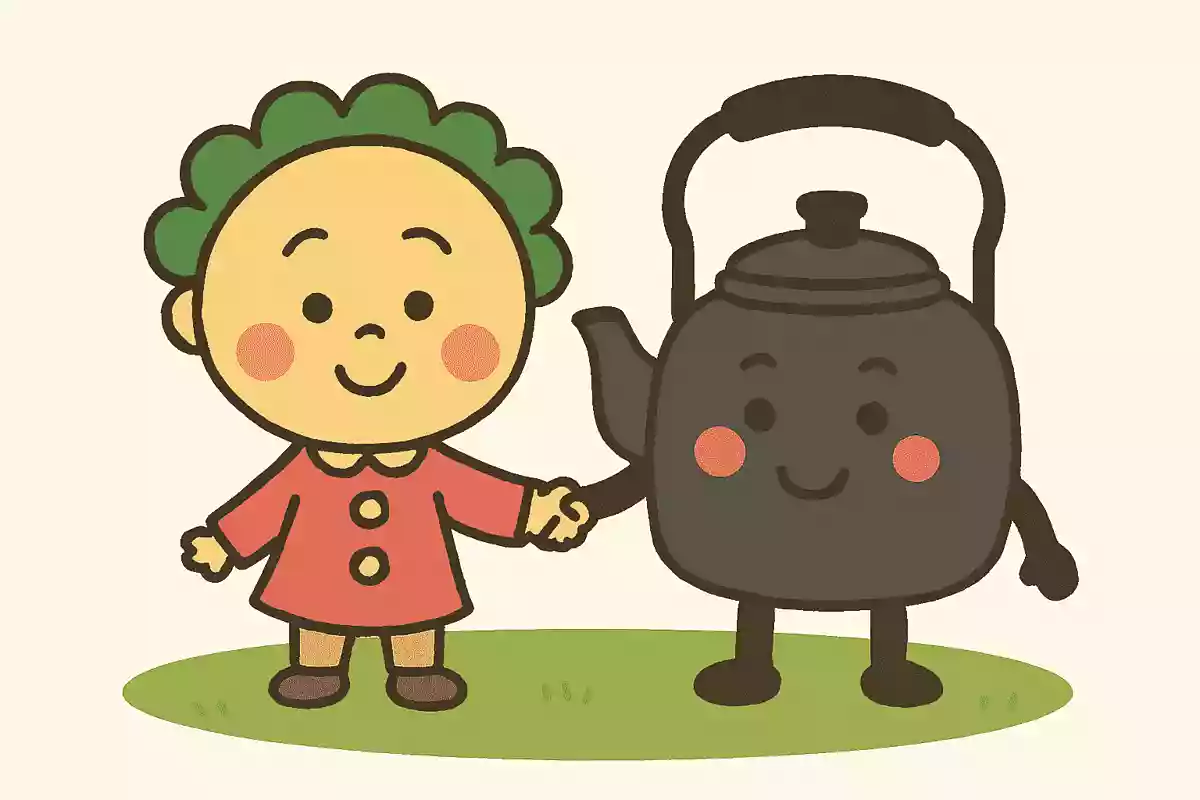
These words convey that the essence of friendship is supporting one another.
For example, before school exams, it’s important for friends to teach each other and encourage a friend who is going through a difficult time.
Through this kind of cooperation, trust and bonds grow deeper.
In team sports as well, players aim for victory by supporting one another.
In this way, friendship is not just about sharing fun times; it may grow stronger by overcoming hardships together.
Working with your companions and mutually supporting each other is the key to nurturing true friendship.
Let’s believe in the power of friendship and cherish relationships where we always support one another.
We decide things for ourselves rather than doing what someone else says.Frog
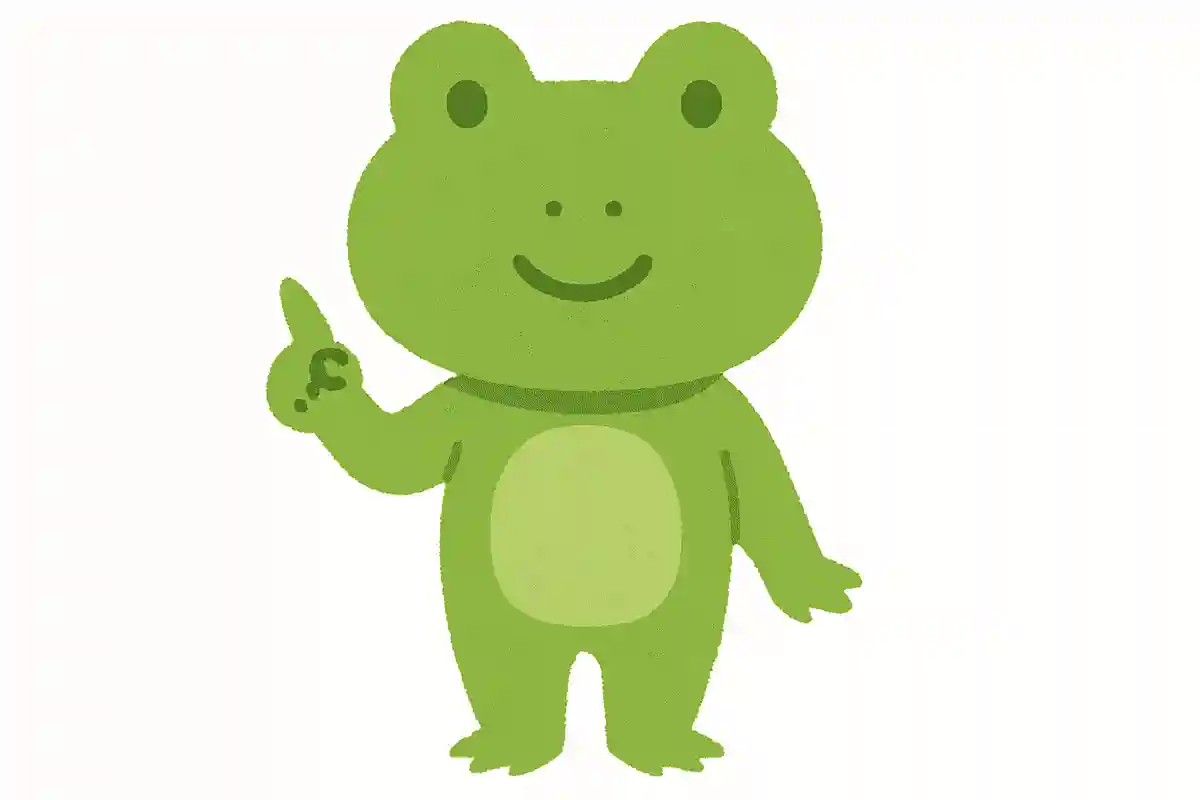
Have you ever been swayed by others’ opinions when you were unsure about a choice? This phrase conveys the importance of deciding for yourself.
If you don’t prioritize what you want or what interests you, and instead choose a different path to meet others’ expectations, you might end up regretting it later.
If you make choices that respect your own feelings and wishes, you may be able to persevere even when things don’t go well, because it was your decision.
This phrase tells us that having the courage to choose for yourself and not being carried along by others’ opinions ultimately leads to a more fulfilling life.
It might be fair to say that what’s cool is living your life freely and carefree—without doing anything pointless and without bothering others.Dodes
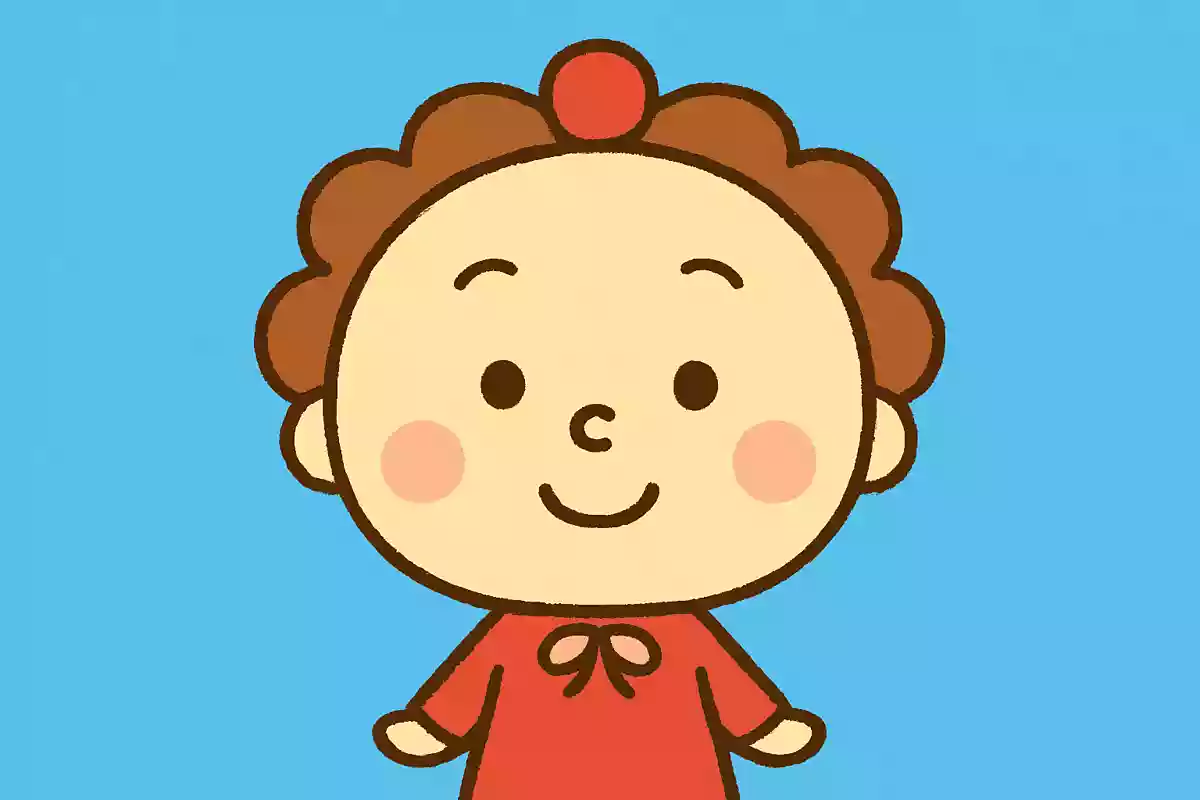
Many people probably want to feel fulfilled both at work and in their private lives.
This message reminds us of the importance of living according to our own values.
For example, at work, by avoiding unnecessary overtime and focusing on what contributes to your growth, you can achieve results efficiently.
In your personal life, by not overextending yourself to meet others’ expectations and instead enjoying hobbies you truly like, you can maintain peace of mind.
In this way, cherishing your own life and living freely while still being considerate of others may be what leads to true “coolness.” By taking care of yourself, you’ll ultimately be able to build good relationships with those around you.
Everyone, at any time, is a living being with life— the same energy is flowing through us all.Mr. Earthworm
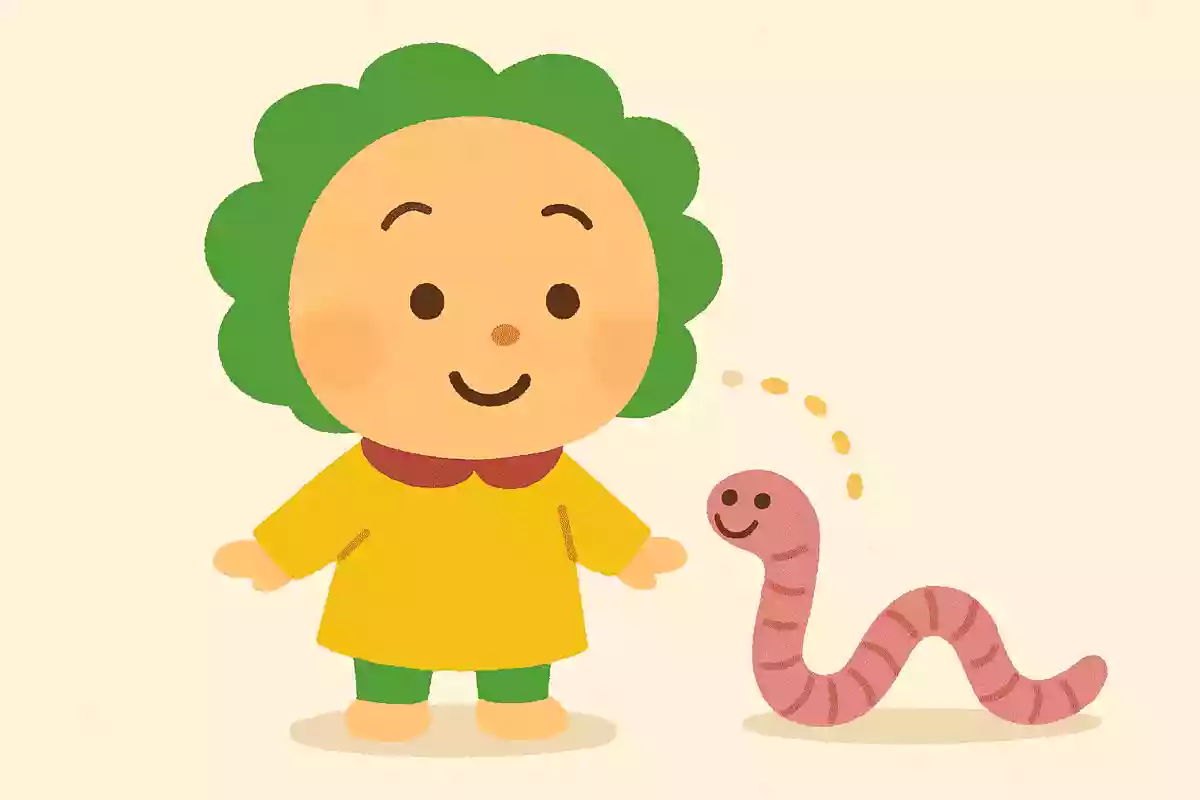
These words remind us that all living things possess life and are connected by a shared energy.
For example, in a forest, trees produce oxygen through photosynthesis, and animals breathe it to live.
In turn, animals enrich the soil and help plants grow.
Through these interactions, life circulates and sustains itself.
This way of thinking reminds us that every living being is precious and that we coexist as part of nature.
Perhaps compassion for others grows from that awareness.
Cojicoji’s quotes: words that make you chuckle and gently lighten your heart (21–30)
I don’t intend to live in memories; I want to love who you are now.Hinako
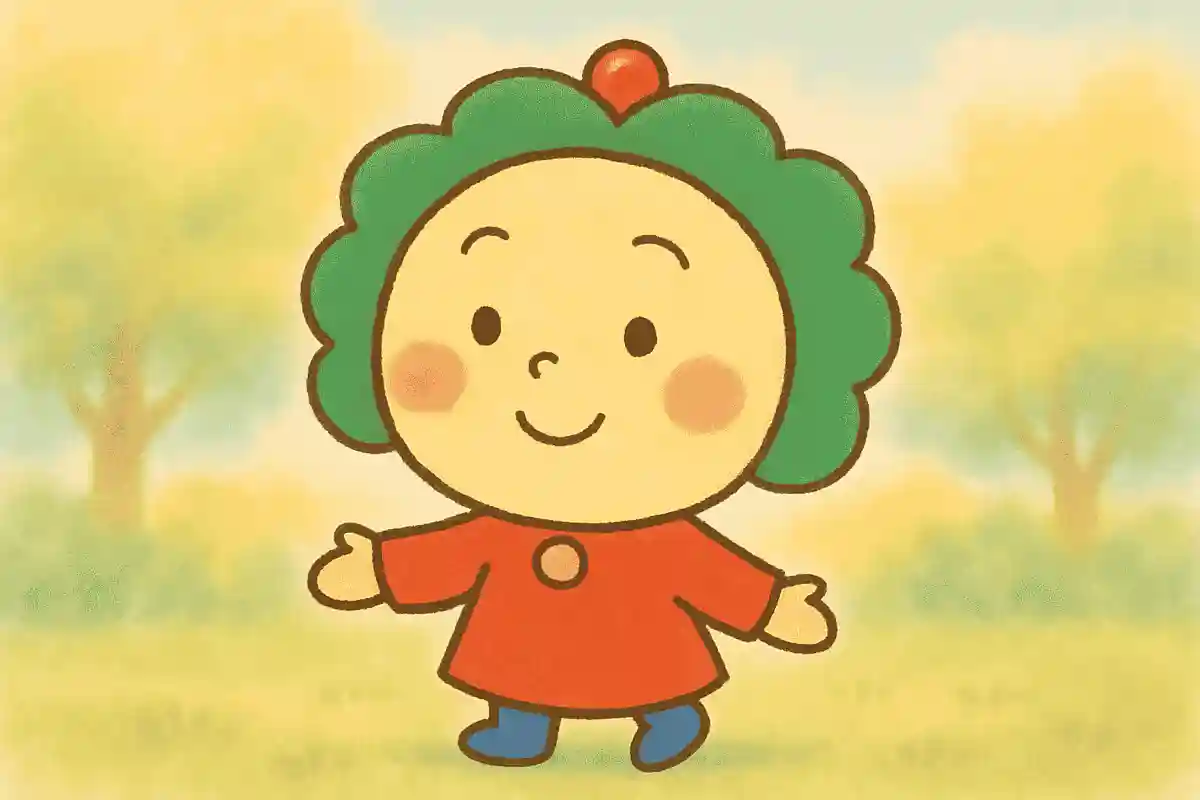
Cojicoji is filled with the heartfelt thoughts of Momoko Sakura, and these words, too, carry great weight.
To live in memories is merely to ruminate on and savor a past that is convenient for oneself.
More than that, the idea of wanting to look at and love the real you in the present—because it involves an actual other person and deepening love through interactions with them—strikes me as truly wonderful and, conversely, something that requires courage.
Seeing such resolve, I think this can be called a quote that deeply resonates in the heart.
