

Aim for a perfect score! A three-choice common knowledge quiz that deepens your understanding

We’re giving you a multiple-choice common-sense quiz with three options!
It’s not just about what you learned at school—we’ve turned various bits of everyday knowledge into quiz questions.
We cover a wide range, from Japanese culture and history to topics about the world.
Even if you think you know something, when it pops up suddenly as a quiz, you might find yourself thinking, “Huh? What was it again?”
If you can’t recall it even though you know it, if you’ve forgotten it, or if you never knew it in the first place, let this quiz be your chance to brush up and deepen your knowledge.
- Surprisingly unknown? Trivia Quiz [Multiple Choice: 3 Options]
- [Killing Time] A Collection of Fun Trivia Quizzes You'll Want to Share with Someone
- [3-choice quiz] Can you get them all? Showa Quiz
- [General] Surprisingly unknown? Test your geography skills with a three-choice quiz on Japan’s prefectures
- Deepen your knowledge of food! A three-choice trivia quiz
- [Interesting] Compilation of Trivia Quiz Questions
- General knowledge quiz time! From trivia to questions about Japan and the world
- It never hurts to know! General knowledge quiz
- Stimulate your intellectual curiosity! Fascinating trivia quizzes that you’ll want to share with others
- [Battle of Wits] Stimulate your intellectual curiosity! Quiz questions that get adults excited
- [For Seniors] Trivia Multiple-Choice Quiz
- True-or-false quiz for adults: a full roundup from common-sense questions to surprising trivia!
- Become a trivia master with a multiple-choice quiz for elementary schoolers! A fun problem collection that captivates both kids and adults
Aim for a perfect score! A 3-choice common-sense quiz that deepens your knowledge (21–30)
What is the name of the stand that the kagami mochi is placed on?

- tray table for serving a meal; individual dining tray (ozen)
- sanpō (a Japanese term meaning “three sides/directions”; also a traditional wooden offering stand used in Shinto/Buddhist rituals)
- household Shinto altar
See the answer
sanpō (a Japanese term meaning “three sides/directions”; also a traditional wooden offering stand used in Shinto/Buddhist rituals)
A sanpō is a stand used in traditional Japanese ceremonies and Shinto rituals, and during the New Year it is used to hold kagami mochi. It is a wooden, square-shaped stand characterized by openings on three of its sides, with the remaining side facing the altar. Offering kagami mochi on a sanpō to the deities expresses gratitude and wishes. It is an essential New Year decoration and an important item that conveys Japanese culture and customs.

What is the date on which the Pacific War came to an end?

- July 10, 1945
- July 21, 1945
- August 15, 1945
See the answer
August 15, 1945
Japan accepted the Potsdam Declaration issued by the United States, the United Kingdom, and China on August 10, 1945, and unconditionally surrendered on the 15th, bringing the Pacific War to an end. Thereafter, August 15 was designated as End of War Memorial Day, a day to reflect on the mistakes of the war and pledge peace.

What is the most widely understood language in the world?

- English
- Chinese
- Hindi
See the answer
English
English is the most widely understood language in the world. According to a 2023 survey by the United Nations Population Fund, there are said to be over 1.5 billion English speakers globally. In addition to the large number of countries that use English as an official language, the fact that it is learned as a second language in many countries is another reason for the high number of speakers. As an international lingua franca, English is used across various fields such as business, science, tourism, and entertainment. English also tops the charts in terms of internet content, and people around the world use it for communication.

Which country has the longest name in the world?
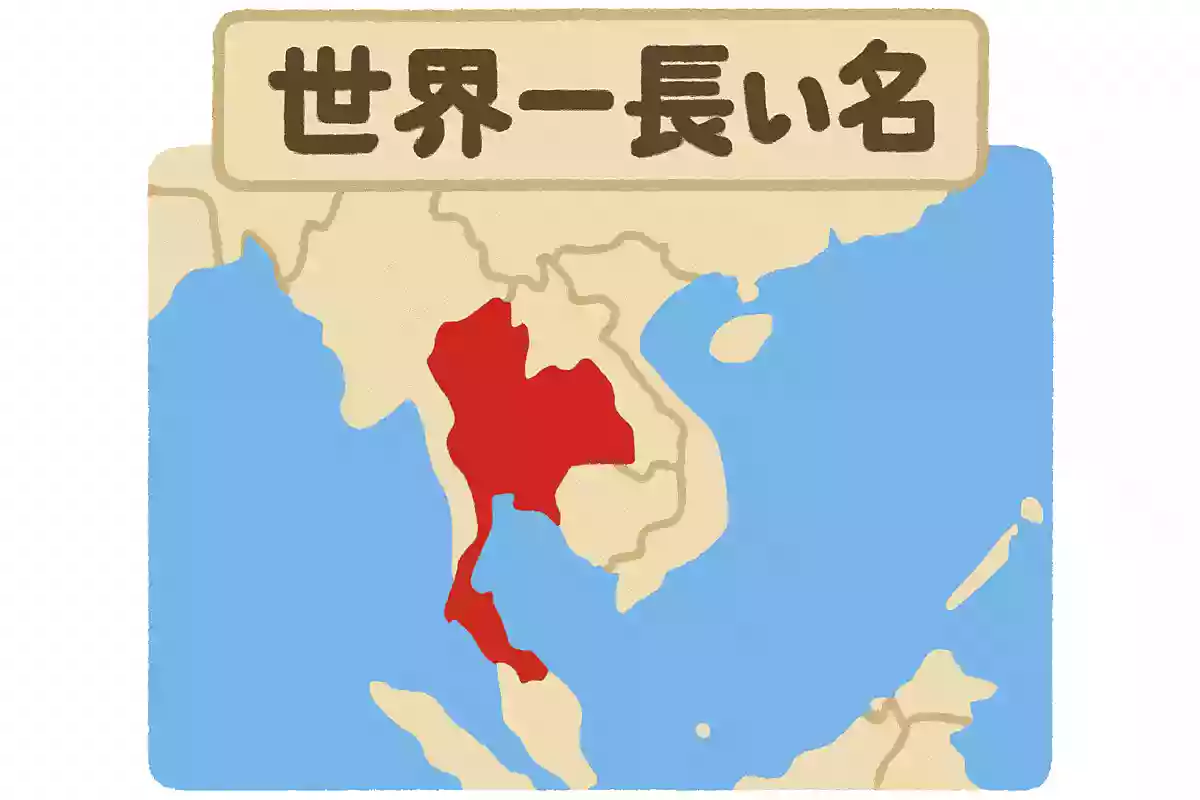
- United Kingdom
- Saudi Arabia
- Federated States of Micronesia
See the answer
United Kingdom
The United Kingdom’s official name is “The United Kingdom of Great Britain and Northern Ireland.” This official name is very long and is among the longest of any country in the world. Although it is often shortened to “the UK” in international contexts, the full name distinctly reflects the nation’s history as a kingdom and its geographical composition. It is also used in international official documents, and its length sometimes becomes a topic of conversation.

Where is the most effective place to put a deodorizer in the refrigerator?

- Refrigerator door pocket
- the top shelf of the refrigerator
- the bottom shelf of the refrigerator
See the answer
the bottom shelf of the refrigerator
Due to temperature differences, convection occurs inside a refrigerator, causing odor molecules to tend to accumulate in the lower part. Therefore, placing a deodorizer on the bottom shelf makes it more effective at absorbing odors throughout the entire compartment. The bottom of the refrigerator also tends to stay slightly cooler, which is an ideal environment for deodorizing agents to work efficiently. Simply adopting this habit can greatly improve your refrigerator’s odor control.

When is it considered a good time to take a bath?

- right after a meal
- 30 minutes before bedtime
- 1 to 2 hours before bedtime
See the answer
1 to 2 hours before bedtime
The ideal time to take a bath is said to be 1 to 2 hours before bedtime. Taking a bath temporarily raises your body temperature, and as it gradually drops afterward, you naturally become sleepy, which can improve sleep quality. Bathing at this time also provides a relaxing effect, helping you effectively recover from the day’s fatigue. If you struggle with sleep, try bathing at this timing.
What is the largest organ in the human body?
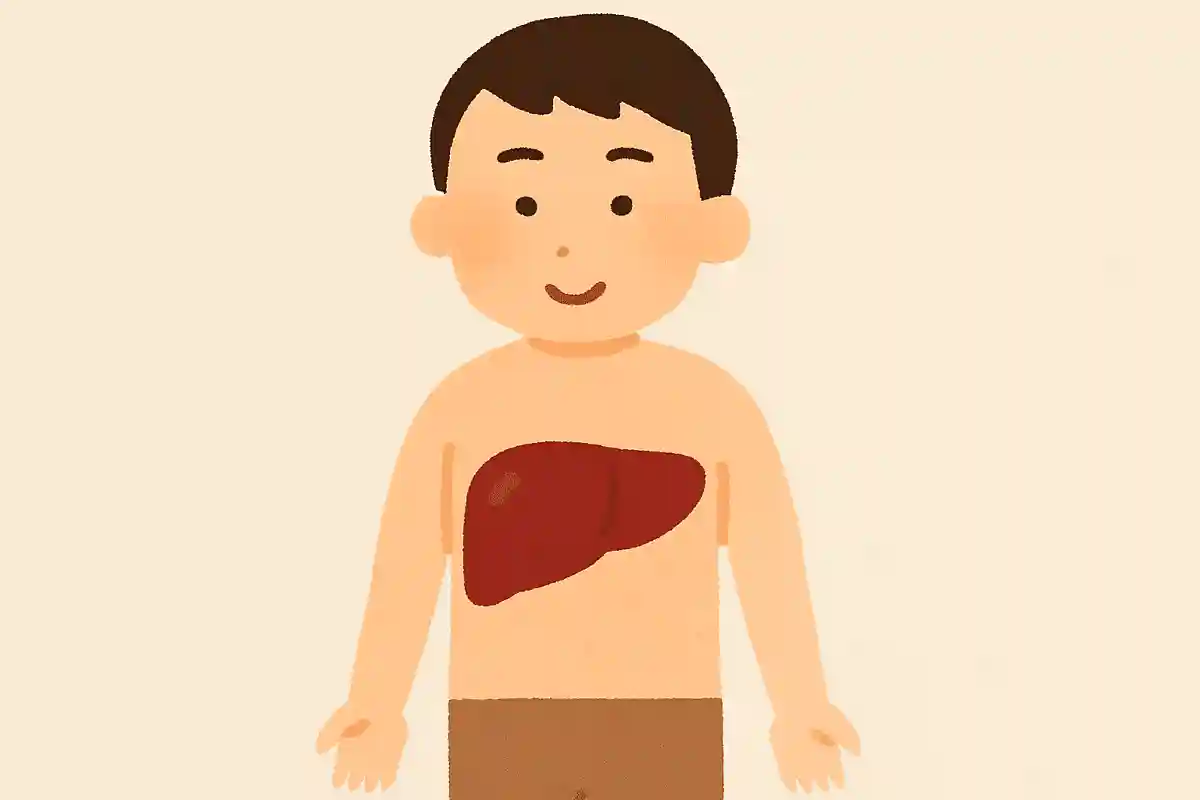
- skin
- liver
- heart
See the answer
skin
The correct answer is the skin. The skin acts as a barrier that protects our bodies from the external environment. In adults, it covers an area of about 1.6 square meters and accounts for roughly 16% of body weight. The skin has many vital functions, including regulating body temperature, enabling sensation, and defending against pathogens. It is a highly unique organ in terms of both structure and function, and it is an indispensable presence that supports our health every day.