

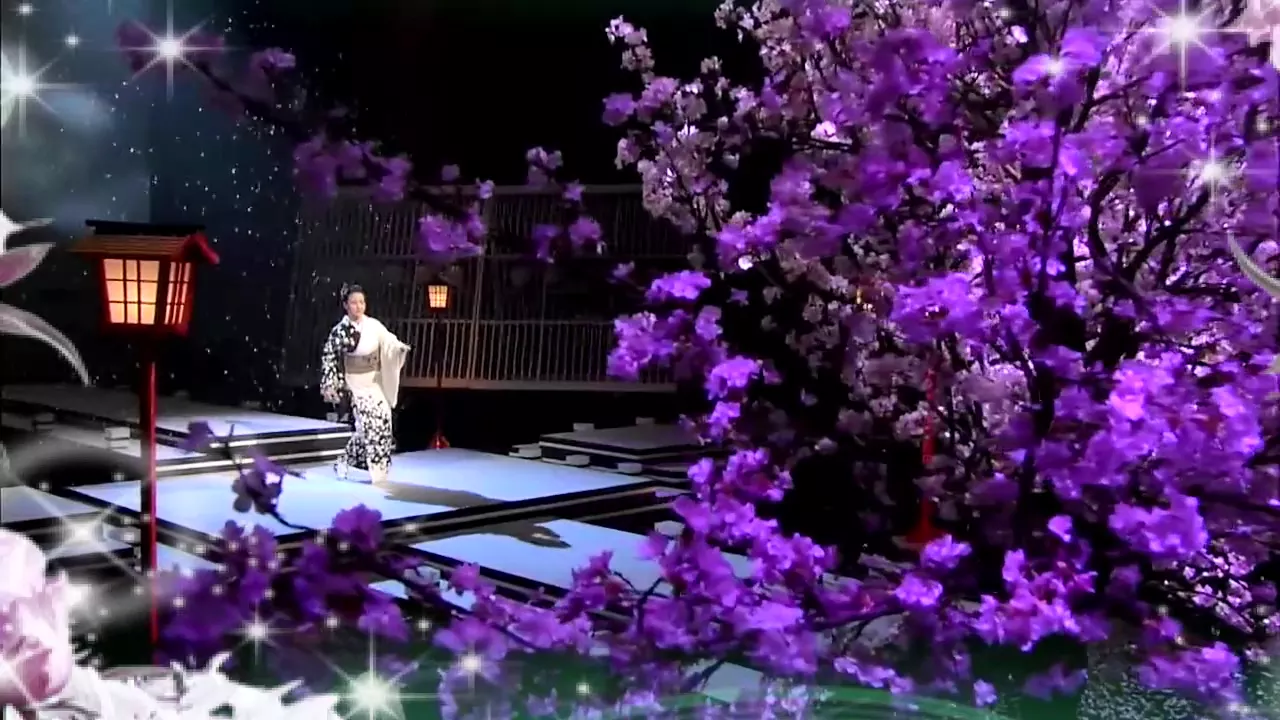

Enka that lets you feel the spirit of traditional Japan.
There are many songs that spotlight famous places and traditional events in Japan, as well as tracks that convey a stylish, mature atmosphere.
In this article, we’ll introduce some cool enka songs from among the many out there!
Enka might feel unfamiliar to younger listeners, but it’s a cool genre with a soul that’s different from pop or rock.
Since the 2000s, various performances—such as collaborations with young artists on music shows and rock arrangements of classic hits—have been drawing attention.
Listen to the songs we introduce and feel the coolness of Japan’s traditional spirit!
- Women’s Enka: A collection of classic enka songs expressing women’s emotions
- Classic enka songs you’ll want to sing at karaoke: recommended popular tracks
- Great enka masterpieces and hit songs of the 1970s
- A collection of iconic, cool Showa-era kayōkyoku classics sung by male vocalists
- Men’s enka: a collection of classic songs portraying the way men live and their fighting spirit
- Heart-touching, tear-jerking masterpieces from the Showa era
- [2026] Representative Famous Enka Songs: A Compilation of Classic Favorites [Beginner-Friendly]
- [For Beginners] Recommended Enka Masterpieces for Karaoke — Male Singers Edition
- [For Women] A roundup of enka songs that can score high in karaoke
- Popular Enka. Latest Rankings [2026]
- Enka Karaoke Popularity Rankings [2026]
- Great enka masterpieces and hit songs of the 1980s
- Great enka masterpieces and hit songs of the 2000s
Cool Masterpieces of the Japanese Spirit: Enka (1–10)
O-Shichi and the Night Cherry BlossomsSakamoto Fuyumi

The enka song “Yozakura Oshichi,” featuring a cool 16-beat groove with brass, is said to be based on Yaoya Oshichi, a girl from the Edo period who, driven by her desire to see her lover, set a fire and was executed by burning.
It has been performed both as the closing act and the opening act on NHK’s Kōhaku Uta Gassen, and it’s the most frequently performed song there, so even if you’re not familiar with enka, you’ve probably heard it at least once.
Fuyumi Sakamoto delivers this masterpiece—where tragic love contrasts beautifully with cherry blossoms—with deep emotion, so be sure to give it a listen!

Boat SongYashiro Aki

The song Funauta captivates with its whispery, husky voice.
It was even featured in a 2006 Suntory BOSS commercial, so many of you might remember it.
Written and composed by the golden duo Yu Aku and Keisuke Hama, it was Aki Yashiro’s first “man’s song.” She apparently felt it would be a hit from the moment she heard the demo for the first time—and no wonder: the opening lyrics and melody draw you into the song’s world instantly.
A woman belting out a man’s song is just plain cool—nothing more needs to be said.
A solitary journey to MichinokuYamamoto Jōji

Michinoku Hitori Tabi, one of Joji Yamamoto’s signature songs.
When it was released in 1980, it didn’t attract much attention, but its popularity took off after he performed it on Fuji TV’s program Yoru no Hit Studio.
He also sang it at his first NHK Kohaku appearance, and it went on to become a long-selling hit that steadily gained sales.
It’s memorable how the chorus is held until the end, driving the momentum and finishing at a fever pitch.
The phrase “saigo no onna” (the last woman) gives it a rugged, masculine feel that also ties in with Yamamoto’s singing style.
Cape ErimoMori Shinichi

Erimo Misaki, a masterpiece created by the dream team of lyricist Osami Okamoto and composer Takuro Yoshida during the folk boom.
At first, people said the folk image didn’t suit Shinichi Mori, but the release was greenlit thanks to Mori’s own strong push.
The way Mori, with his husky voice, sings of spring finally arriving at Erimo in Hokkaido after a harsh winter—it really pierces the heart.
It’s also noteworthy that Reni Takagi of Momoiro Clover Z and Kazuya Yoshii have covered the song!
Crossing Amagi PassIshikawa Sayuri

A famous local song set on Mount Amagi in the Izu Peninsula of Shizuoka Prefecture, released on July 21, 1986—an undisputed classic.
When Sayuri Ishikawa first received the song, she reportedly thought it was so steeped in raw emotion that she couldn’t possibly sing it herself.
That’s how stunning her performance is: a vivid, bewitching portrayal of a fiercely burning adult love.
Its appeal also lies in the fact that it has been covered across genres by artists like Akina Nakamori, Marty Friedman, misono, and Harami-chan.
Blues of the DawnItsuki Hiroshi

This is about television, but now that viewers’ channel options are no longer limited to terrestrial broadcasting, the number of enka programs is steadily increasing.
I wonder if Japan’s aging population has something to do with it.
“Yoake no Blues” leans more toward mood-kayo-style enka.
Its catchy melody follows a different line from shamisen and shakuhachi-based tunes, so even young listeners can enjoy it without any sense of mismatch.
The lyrics, depicting the push-and-pull between a man and a woman set against the nightlife of the city, spin a tale of romance that’s a true stage for adults.
Hiroshi Itsuki’s relaxed vocal delivery feels wonderfully light.
festivalKitajima Saburō

Saburo Kitajima, often called the father figure of the enka world, is best known for his signature song “Matsuri.” Japan has festivals such as harvest festivals praying for bountiful crops and big-catch festivals passed down to children, and this masterpiece vividly captures the dynamism of Japanese festivals with a powerful sense of motion.
It was performed many times on NHK’s Kōhaku Uta Gassen, so many people probably remember “Sabu-chan” belting it out dynamically amid a shower of confetti.
The versions where the final lyric is turned into a parody with company names or place names are pretty rare, aren’t they? It’s a huge crowd-pleaser at karaoke when everyone sings along, so be sure to listen and give it a try!