

![[Piano/vocal] Super cool! Recommended songs you can breeze through](https://i.ytimg.com/vi_webp/iqEr3P78fz8/maxresdefault.webp)

Watching those cool piano-and-vocal videos on social media, many of us have probably thought, “I wish I could casually sing and play like that!” At first glance, singing while playing the piano seems difficult, but if you choose songs with simple chord progressions or ones you’re already comfortable singing, you can actually master it surprisingly quickly.
In this article, we’ve carefully selected recommendations for those who want to perform stylish piano-and-vocal pieces, spanning a wide range of genres including Japanese music, Western music, and classical pieces.
Find your favorite song and give it a try right away!
- [Piano Solo with Vocals] Recommended for Piano-and-Vocal Performances! Hit Songs from the Heisei to Reiwa Eras
- It’s so cool if you can play these on the piano! A selection of irresistibly charming masterpieces.
- [Piano Accompaniment Score] A curated selection of recommended sheet music for popular sing-and-play songs!
- Even beginners can play them easily on the piano! A curated selection of popular and latest J-POP songs.
- A must-see for anyone who wants to try piano-and-vocal performances through code! From nostalgic oldies to the latest hits, all introduced at once.
- [Western Music] Challenge Yourself with Piano and Vocals! Introducing Unforgettable Classics with Sheet Music
- [Piano Beginners] J-POP That Looks Hard but Is Surprisingly Playable [2026]
- [Intermediate Level] Cool Piano Pieces You Can Play [Great for Recitals Too]
- Recommended for piano beginners! 10 sheet music picks that adults can enjoy too
- Cool jazz piano: from classic favorites to hidden gems.
- [Piano × J‑Pop] A curated selection of the coolest new hits and anime songs that’ll look great when you play them
- [Beginner] Recommended for adult piano beginners! Beautiful & stylish piano pieces
- [Piano × Guitar] A roundup of perfect songs for sessions
[Piano Solo with Vocals] Super Cool! Recommended Songs You Can Play Smoothly (1–10)
horizonback number

Many of back number’s songs make effective use of the piano.
Among them, a great recommendation for solo piano and vocal performance is “Suiheisen,” a digital-only single released in 2021.
It’s in B-flat major with two flats, making it approachable for chord-based playing, and many of the chords can be played with just one flat.
The tempo is a relaxed ballad, so beginners should find it easy to tackle.
If you can play seven types of chords, you’ll be able to clear it—so give it a try and memorize them!

A Bouquet for YouUtada Hikaru

Hikaru Utada’s “Hanataba wo Kimi ni” is a great recommendation because it’s easy to grasp the image of a piano-and-vocal performance.
Especially in the first verse, it’s made up of just Utada’s vocals and piano accompaniment, making it perfect for practice.
If you can play chords, you can get through the entire song using a total of seven chords: five basic chords and two applied (extended) chords.
The accompaniment method is the most orthodox style of playing quarter notes, so it’s easy to tackle even while singing.
Definitely give it a try!
rainbowSuda Masaki
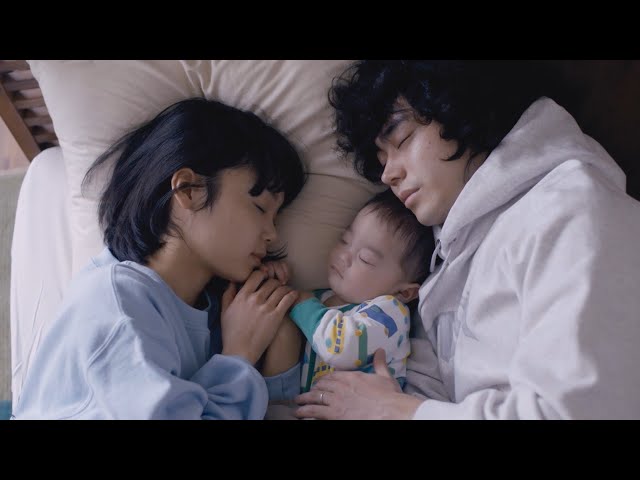
“Niji” is Masaki Suda’s fifth single, released in 2020.
It was chosen as the theme song for the film “STAND BY ME Doraemon 2” and reached No.
2 on both the Oricon and Billboard charts.
You can play it if you learn about seven basic chords that are easy for beginners to remember, and since it’s a slow-tempo ballad, it’s a good one to try.
The accompaniment uses a standard ballad pattern with quarter notes, so you can apply it to other songs as well.
Definitely start by practicing “Niji”!
Is there still anything that love can do?RADWIMPS

The song “Is There Still Anything That Love Can Do?” by RADWIMPS was created as the theme for the animated film Weathering with You.
The film’s soundtrack, which includes this track, topped the Oricon digital chart for five consecutive weeks.
It’s a beautiful piano ballad characteristic of Yojiro Noda, and it’s perfect for singing with self-accompaniment.
Most parts—except for a few sections—use the same chord progression, and it’s just a repetition of four chords, making it very easy to play.
The different sections only add a few chords and change the order slightly, so definitely give it a try!
KanadeSukima Suichi

Released in 2004, this Skima Switch (Sukima Switch) song is one of their signature tracks, covered by many artists.
It’s a ballad that strongly evokes feelings of loneliness and bittersweetness—struggling through the season of parting while trying to move forward.
While Sukima Switch’s sound is typically centered around guitar and piano, this track gives a particularly prominent impression of the piano’s tone.
Even performed as a solo piano-and-vocal piece, it should be able to capture the song’s gentle atmosphere.

Voice of the Seaurashima tarō (kiritani kenta)

“Umi no Koe” is the song sung by Kenta Kiritani as Urashima Taro in au’s “Santaro Series” commercials.
Released as Kiritani’s single in 2015, it became a million seller.
The sound of the sanshin is memorable, but the piano intro and accompaniment are beautiful as well.
If you know basic chords, you can play it using just seven chords, so give it a try.
If you’re comfortable with sus4 and slash chords, you can make it sound even more authentic—try that too!
Marigoldaimyon

Singer-songwriter Aimyon rose to popularity by focusing on stripped-down performances with just vocals and an instrument.
Her signature song “Marigold” is perfectly suited for beginner piano-and-vocal players.
The chord progression it uses is the well-known “Canon progression,” which you can apply to many other songs.
It’s a progression you should learn and have under your fingers at least once.
