When you think of piano pieces, many people probably picture classical works, right?
But nowadays, not only classical music—J-POP, anime songs, and all kinds of tracks—are performed on the piano, and “I tried playing it” videos are gaining attention on social media and video platforms.
Some of you might be enjoying watching these videos every day, surprised to find, “Wow, this song actually goes really well with the piano!”
So this time, we’ve picked out songs that would look seriously cool if you could play them on the piano!
Alongside timeless classical masterpieces, we’ll also introduce the latest hit songs that sound great on piano.
If you’re thinking, “I want to wow everyone with my piano performance!”, be sure to use this as a reference!
It would be so cool to play on the piano! A selection of irresistibly charming masterpieces (1–10)
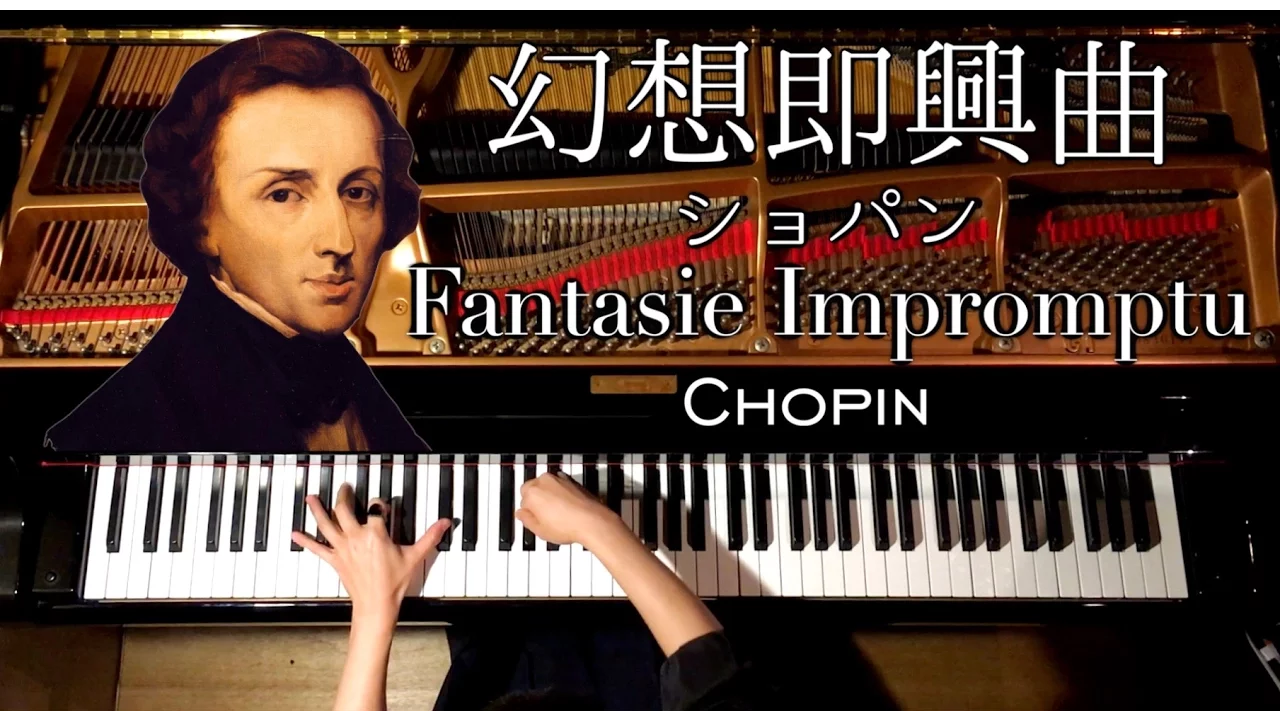
Fantaisie-ImpromptuFrederic Chopin
Fantasie-Impromptu – Chopin [Fantasie Impromptu - Chopin] Piano / CANACANA
Of Frédéric Chopin’s four impromptus, representing the Romantic era, the first one composed is the most famous: the Fantaisie-Impromptu.
Many listeners can recognize the piece the moment the first octave sounds.
Because the left hand divides each beat into six and the right hand into eight, it can be difficult at first to get the feel for playing with both hands together.
However, with continued practice, you’ll naturally learn to align the downbeats.
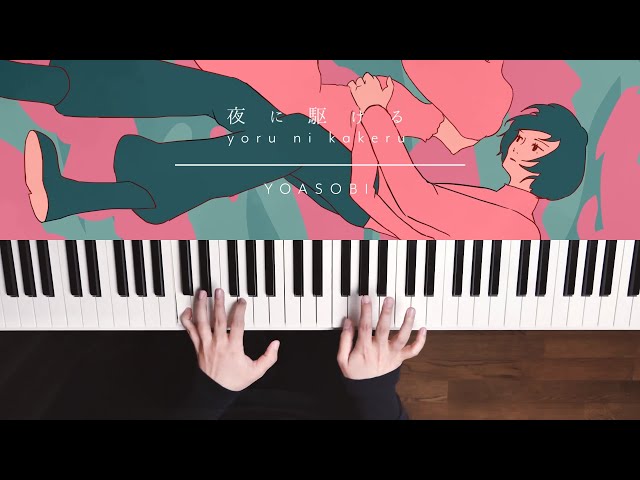
[Piano] Tried playing “Lilac” [Boukyaku Battery OP]
This is a song by Mrs.
GREEN APPLE that portrays the uncertainty of life and the emotions of transitional periods.
Chosen as the opening theme for the TV anime “Oblivion Battery,” it symbolically captures the complex feelings and growth of adolescence, resonating deeply with listeners.
Its energetic, refreshing rock sound is marked by a bright, catchy melody.
The lyrics focus on self-acceptance and growth, conveying the importance of loving oneself while acknowledging one’s imperfections.
Performing it at a recital might provide a fresh opportunity to rediscover the value of taking on challenges.
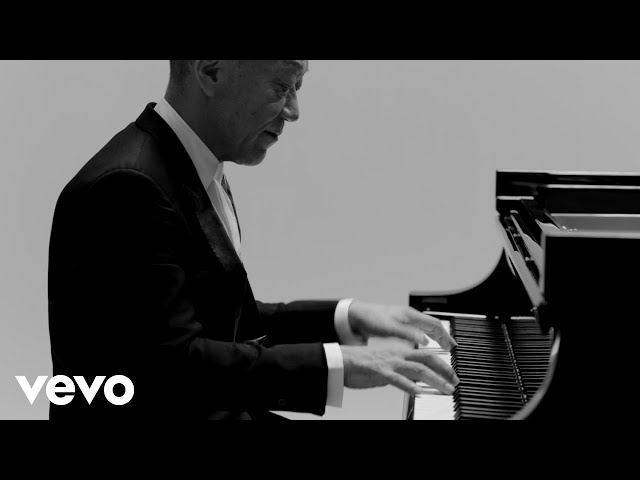
A famous piece everyone’s heard at least once: Joe Hisaishi’s “Summer.” Joe Hisaishi is a renowned composer who has created music for many Studio Ghibli films.
As the title suggests, “Summer” is a pleasant piece that evokes a refreshing summer day.
It was released in 1999 as the theme song for director Takeshi Kitano’s film “Kikujiro.” Since then, it has been used in numerous commercials and remains a familiar classic you still hear unexpectedly from time to time.
Enjoy performing it while savoring the dynamics and flowing tone.
Howl’s Moving Castle: Merry-Go-Round of LifeHisaishi Joe
Howl’s Moving Castle – Main Theme Piano Solo | Leiki Ueda // arr. Kyle Landry Howl’s Moving Castle
Let me introduce the main theme from the masterpiece film Howl’s Moving Castle.
Its beautiful melody, which captures the film’s fantastical world, leaves a strong impression, and performance videos on social media are popular as well.
The piece is characterized by a waltz rhythm, so the key is to play it in triple meter.
Until you’re comfortable with the tempo, it’s best to practice slowly and gradually speed up.
The work skillfully conveys the characters’ emotions and drama through music, resonating deeply with listeners.
Released alongside the film in November 2004, it’s a song loved around the world.
It’s a piece that can be enjoyed by a wide range of players, from piano beginners to advanced musicians.
Grandes études de Paganini No. 3 “La Campanella”Franz Liszt
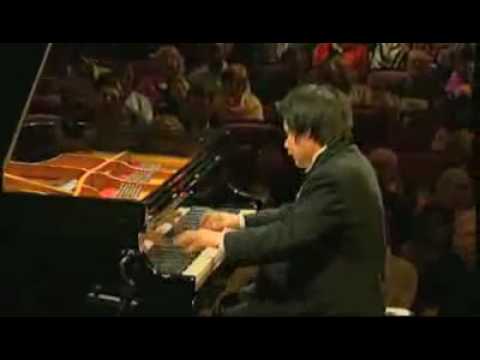
Nobuyuki Tsujii - La Campanella
When it comes to famous piano pieces by the Hungarian composer Franz Liszt, “La Campanella” immediately comes to mind! It’s also well known through performances by Ingrid Fujiko Hemming.
The title means “The Little Bell,” and it’s a masterpiece that many classical pianists dream of playing at least once.
The famous opening phrase features very wide leaps and demands precise touch.
Although it’s an extremely difficult piece, with persistent practice you can gradually bring it together.
Why not build your skills steadily and patiently, and master this challenging work?
Among Frédéric Chopin’s most famous works is the Polonaise in A-flat major, Op.
53 (“Heroic”).
This piano masterpiece combines an impressive, dazzling melody and a bright, liberating atmosphere—like a vista suddenly opening before you—with intricate, refined musicality.
Because it features many repeated chords and octaves, it’s important to keep the melodic line in mind and avoid letting the performance rely on sheer force alone.
Be careful not to develop a heavy, hammering touch from above; instead, build your tone by practicing slowly and carefully, layer by layer.