

Recommended Slogans for Junior High School Cultural Festivals | Carefully Selected Four-Character Idioms and Famous Quotes!


At junior high school cultural festivals, isn’t it common to have a different slogan each year?
A wide range of ideas usually come up as candidates, from classic four-character idioms and famous quotes to humorous phrases that incorporate current buzzwords.
However, when it’s time to actually discuss and decide, many schools probably struggle to settle on one every year.
In this article, we’ll introduce recommended slogans for junior high school cultural festivals.
We’ve focused on simple, relatable options for students as well as ideas that reflect current trends, so please use them as a reference.
- [School Festival] Four-character idioms to use as slogans. Clever variations you’ll want to copy.
- A roundup of stylish slogan ideas perfect for school festivals
- A roundup of fun slogan ideas perfect for a school festival
- [Cultural Festival / School Festival Theme] Carefully Selected High-Impact Recommended Phrases!
- Recommended English slogans for a school festival, including quotes and proverbs.
- One-line Quotes from Great Figures That Strike the Heart | A Collection of Words That Leave a Deep Impression
- Quotes you'll want to say out loud! A collection of cool lines from anime and words that strike the heart
- [Middle School] Cultural Festival Attractions: A roundup of popular exhibits, games, and stage performances
- [For High School Students] A roundup of recommended attractions for the school festival
- A must-see for those who just can’t stay positive! A collection of inspiring quotes to lift a heavy heart
- [Yojijukugo] Carefully selected phrases recommended as slogans for sports days and athletic festivals!
- Cultural Festival Arch: A Curated Selection of High-Impact Ideas to Captivate Visitors!
- Ideas for stage events and attractions that will liven up a school festival
Recommended Slogans for Junior High School Cultural Festivals | Carefully Selected Four-Character Idioms and Famous Quotes! (21–30)
During ◯◯, everyone is the star.
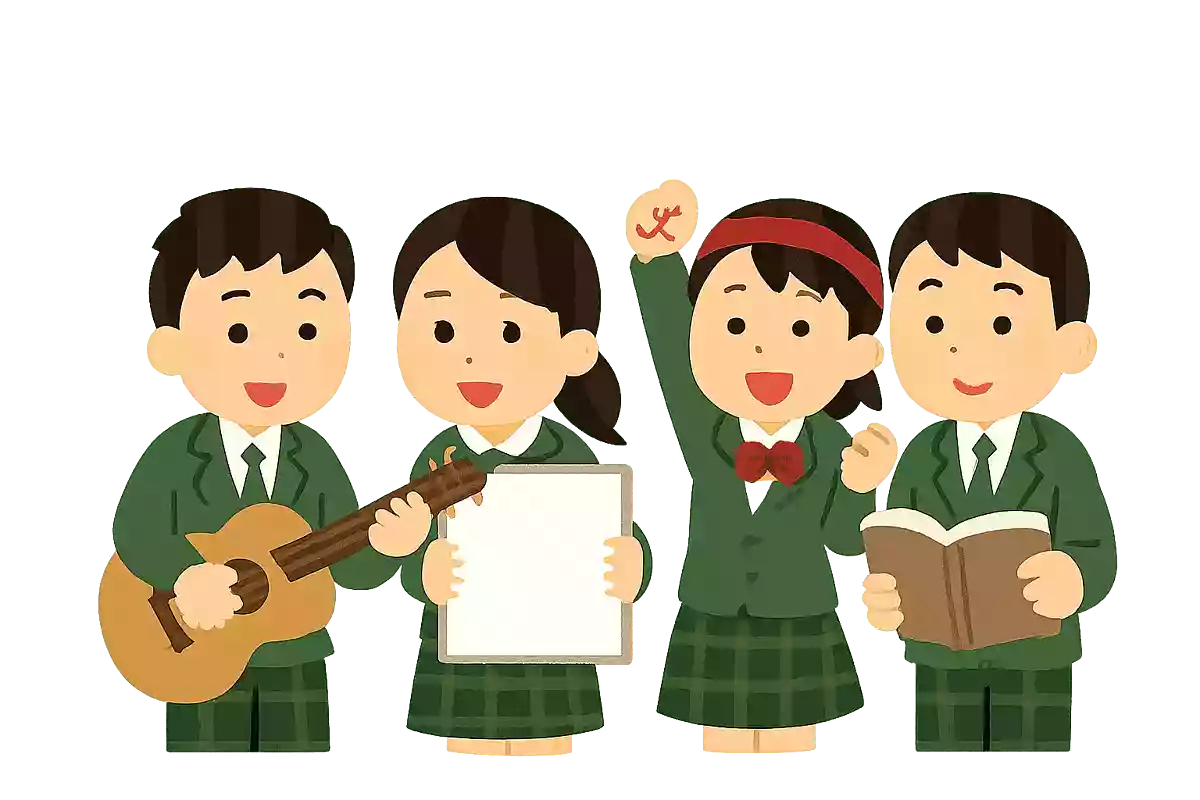
At a school festival with many students participating, it’s only natural that each person has a different personality.
Some look forward to the festival, while others may not be comfortable taking an active role.
Some might even be nervous.
Our slogan expresses that every one of these unique members is the star of the festival: “Everyone is the Star at [School Name].” You can insert your school’s name in the brackets.
Alternatively, you can keep it simple by omitting that part and using “Everyone’s the Star.”

Be together as one
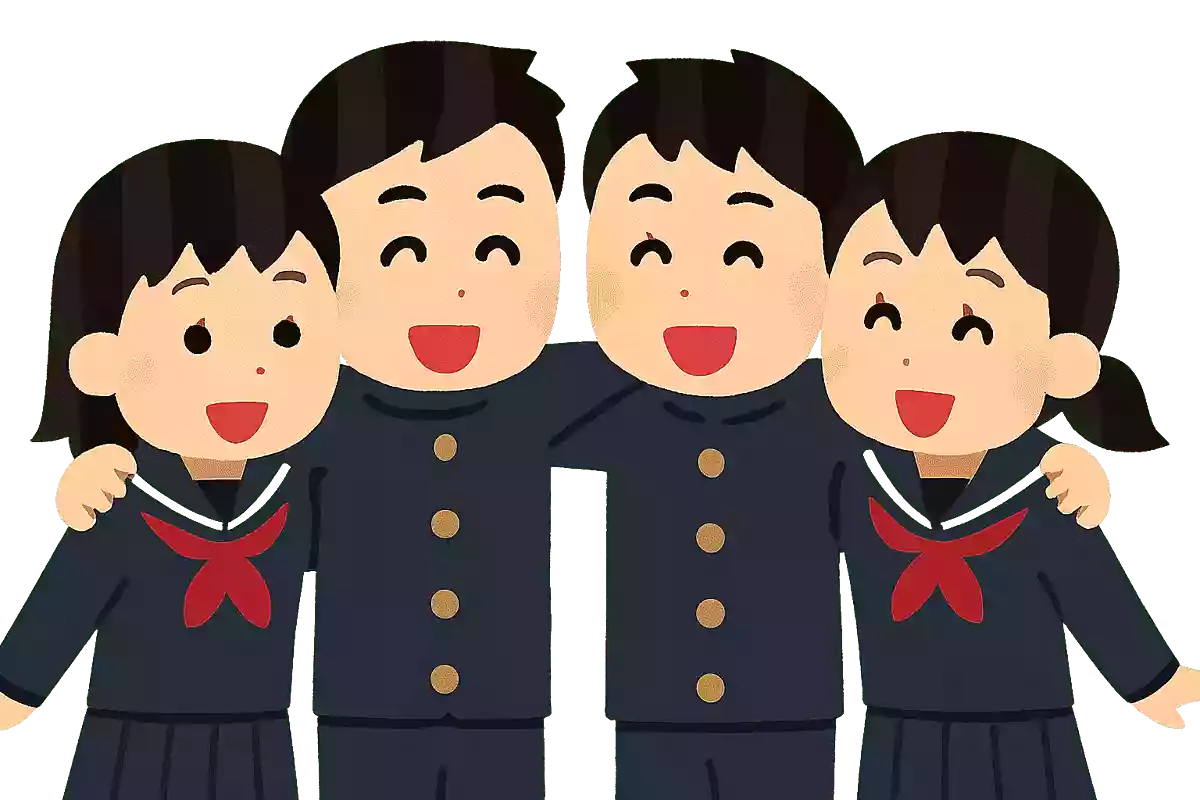
The phrase “Be together as one” basically means “unity” or “standing together as one.” It’s perfect for middle schoolers in a class, group, or club who are all working toward the same goal and want to make their school festival a success by cooperating with one another.
Printed on a class T-shirt, it would give a very cool impression.
In the lead-up to the festival, you might run into conflicts or find it hard to work together at times.
Even so, this phrase will surely give you strength, encouraging everyone to do their best to make the day a fun one.

Youth Festival

A slogan that’s quietly being used as a culture festival motto at schools nationwide is “Seishun Festival.” It’s a coined word combining seishun (youth) and festival.
Since “festival” means a celebration, a literal translation would be “Youth Festival.” You can feel the enthusiasm to liven up the school festival, and even the look of the phrase alone feels fun.
You could also customize it by writing “festival” in Japanese (フェスティバル) or by swapping out the “seishun” part for another phrase.
radiance
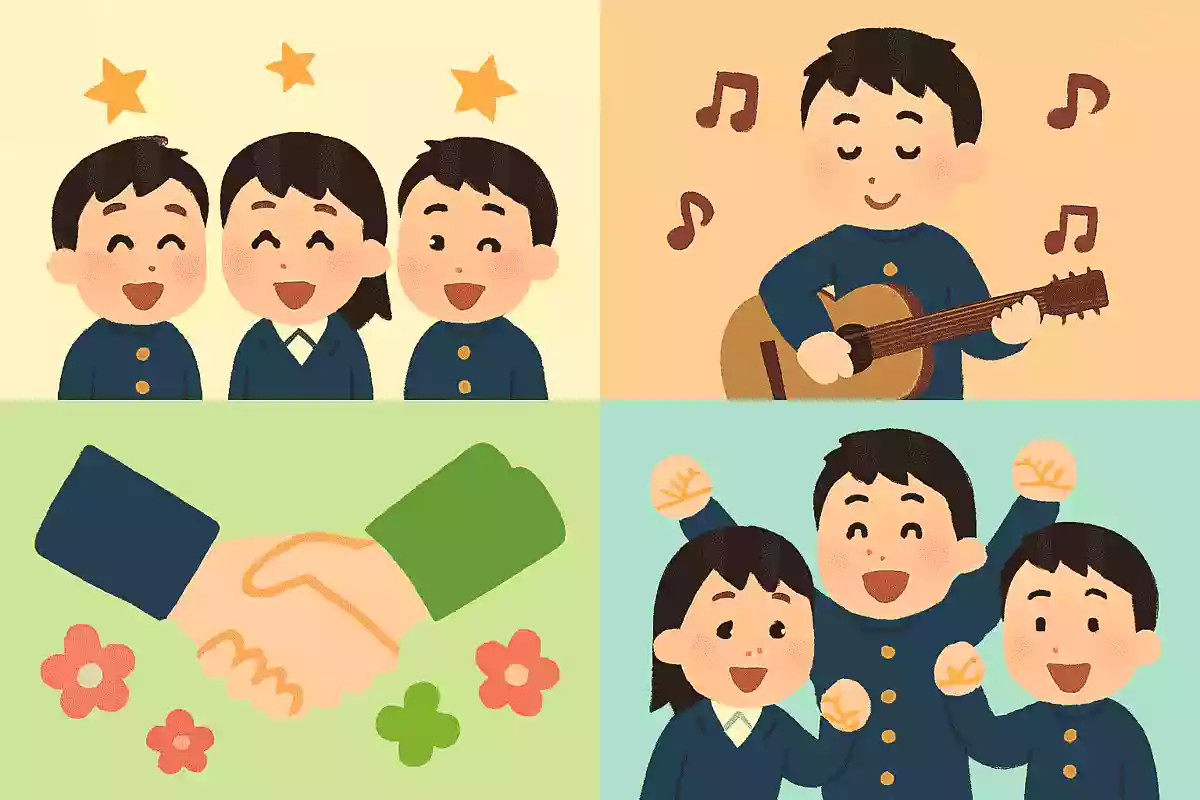
“KAGAYAKI” (Radiance/Brilliance) is a simple yet impactful word—perfect as a slogan.
Shining students, shining booths, shining stages—the cultural festival is filled with all kinds of shine.
Each person’s brilliance comes together to create a greater radiance for the festival, making it a joyful day.
It may be just a single character, but printing it on posters, banners, or class T-shirts will leave a strong impression and surely boost students’ efforts.
Be sure to make good use of it!
with all one’s might

It’s a four-character idiom that means “to try your hardest and never give up until the end.” For example, in a school sports day relay, running with all your might because you want to come in first, or carefully finishing a drawing assignment to the very end—those are both examples of doing your best with all your heart.
Working hard to make up with a friend after a fight also shows the spirit of wholehearted effort.
When you throw yourself into something and give it your all, you gain new abilities and find more enjoyment.
It’s a very uplifting expression you can use whenever you feel, “I’m going to give it my all!” in everyday life.

giving it your all

It means “to put your full effort into something.” For example, running at full speed until the very end in a relay at a sports day, chasing the ball with all your might in a soccer match, or sticking with your homework or kanji practice without giving up—these are all cases of giving it your all.
Fully enjoying playtime with friends, or creating art and crafts with heartfelt dedication, are also examples.
When you give everything you’ve got to anything you do, you can feel a sense of accomplishment and joy.
This four-character idiom expresses an energetic, positive attitude.
steady progress day by day; making rapid strides

“Nisshin-geppo” means making steady progress day by day—like practicing kanji a little every day so you can learn them, or working hard on arithmetic daily so you can do calculations quickly and accurately.
The same applies to sports: if you keep practicing soccer or jump rope every day, you’ll gradually get better.
You can also improve at piano or drawing through daily practice.
It’s a positive, encouraging four-character idiom that means, “If you keep at it steadily every day, you can get a little better.” In anything, by building up your efforts, you can make progress little by little each day.