

Recommended performance ideas for elementary school (middle grades) cultural festivals and learning presentations


When children reach the middle grades of elementary school, they start looking forward to the performances at school arts festivals and learning presentations! It’s a great chance to create wonderful memories together through activities like chorus, theater, and dance.
Many teachers and students probably wonder, “What kind of performance should we do?” Here, we introduce recommended ideas for school arts festivals and learning presentations.
It’s important to come up with ideas that make the most of your class’s unique character.
Work together through discussion and create a presentation that everyone can enjoy while showcasing your class’s individuality!
[Elementary School] Recommended Performance Ideas for Lower-Middle Grades at School Arts and Learning Presentations (1–10)
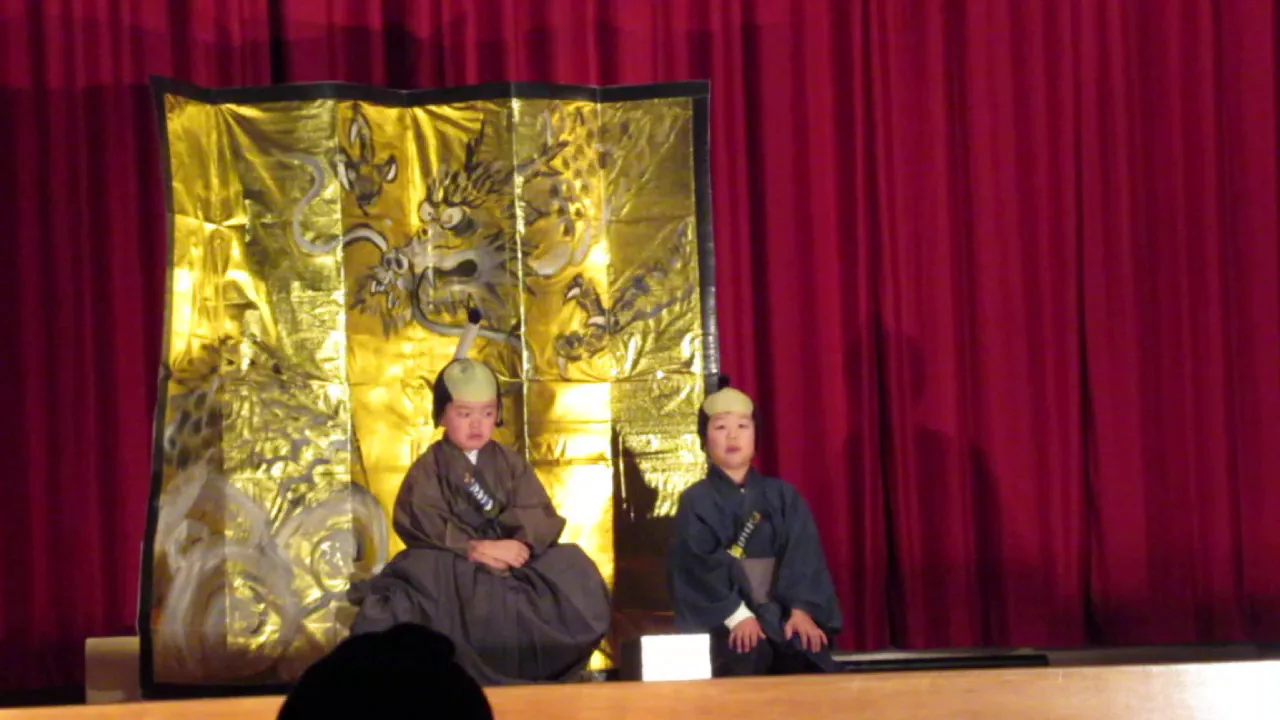
samurai period drama

I don’t think many elementary school kids watch period dramas, but a “period drama” production seems like an idea that would go over very well with grandparents’ generation.
In period dramas, good and evil are clearly defined, so the stories are surprisingly easy for children to follow.
It’s also amusing to see kids play the stereotypical crooked magistrate because of the fun contrast, and they’d probably be thrilled to practice the classic sword-fighting scenes.
Period dramas can be a great chance to learn about history and Japanese culture, so if a regular play isn’t generating much excitement, definitely consider making this your project.

CupsNEW!
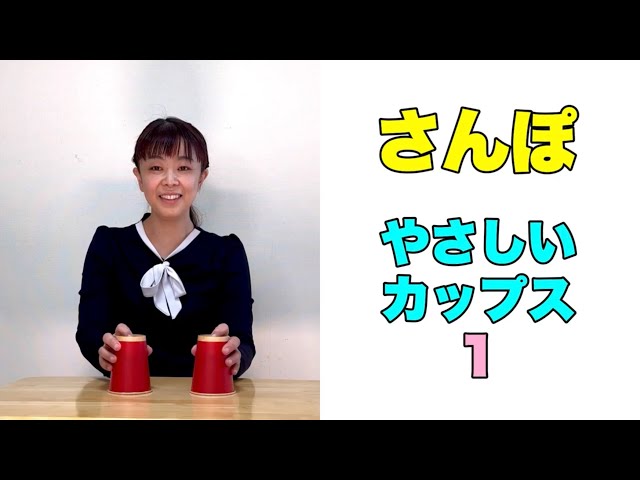
Cups is a game where you make sounds by tapping a cup on a table and combine it with clapping to create rhythms.
It’s popular as a personal pastime, but it’s also often performed as a showcase.
If elementary schoolers are putting on a performance, it might be great to keep time to a popular song.
Everyone can play the same rhythm, or they could slightly offset their rhythms, or intentionally play different patterns and enjoy the back-and-forth—that could be fun, too.
If you get the audience to join in, it seems like everyone could have a lively time together!
fashion showNEW!

Elementary school kids usually wear clothes that are easy to move in, right? Even if there are stylish outfits you want to wear, sometimes they’re not suitable for school.
There are probably kids who want to go all-out with fashion at school, too! That’s why we recommend a fashion show! Put on outfits you can’t usually wear and walk the runway.
First, decide on a theme, then use the clothes everyone brings to create your own unique coordination.
Including makeup, pay attention to every detail and express your individuality.
The largest painting in the worldNEW!

If you’re thinking about creating something together, how about drawing a large picture? You can all work on a single design collaboratively, or decide on a theme, come up with several designs, split up the work, and connect them at the end to finish as one piece.
It may be a time-consuming idea, but the time spent making it will likely become a one-of-a-kind memory.
We also recommend gathering around the finished artwork to take a group photo.
Give it a try if you’d like!
PinocchioNEW!
https://www.instagram.com/reels/DU3EaD2E7zb/Let’s incorporate a beloved story from films, anime, and picture books into your play! A very kind old man named Geppetto makes a wooden marionette called Pinocchio.
The wooden puppet is given life, but when he tells a lie, his nose grows longer and longer.
As he learns about courage and living honestly, he eventually becomes a real human boy—a story that reminds adults of things we often forget.
Why not choose it as the theme for your play, with the wish that children will continue to live bravely and sincerely?
Battle of the Monkey and the CrabNEW!

“The Crab and the Monkey Battle” is a story in which young crabs, who lost their parent because of a malicious monkey, take revenge together with their friends.
Everyone will think, “How could the monkey do something so awful?” after he tricks the parent crab and hogs all the delicious persimmons.
Naturally, the monkey gets his comeuppance—what we’d call a “serves you right” twist today! Because it’s a well-known tale, it’s easy to understand and lends itself well to creative adaptations.
Aim for a lively performance that conveys the important value of caring for others.
The Mice’s SumoNEW!

An old man saw a fat mouse and a skinny mouse wrestling.
Feeling sorry for the skinny mouse, who kept losing, he fed it rice cakes.
Then the skinny mouse became able to fight the fat mouse.
The fat mouse asked the skinny mouse why, and when it heard about the rice cakes, it asked to have some too.
After both mice kindly received rice cakes, they wrestled in front of the old man to thank him and made him happy.
Though there is a gap between the two in wealth, the way they nurture their friendship without minding it and help each other grow really warms the heart.