



Dance music commonly known as “techno” is said to have originated in Detroit, Michigan, USA, and the dance music and artists that emerged from there are referred to as “Detroit techno.” While influenced by Chicago house, it forged a new kind of dance music through its own unique interpretation, with three DJs/producers—Juan Atkins, Derrick May, and Kevin Saunderson—being known as the originators.
In this article, as a first step into the deep world of Detroit techno, we’ve picked out essential classic tracks you should know.
It’s a beginner-friendly guide!
- Recommendations for Techno: From Classic Masterpieces to Popular Tracks of the 2000s and Beyond
- Legendary techno masterpieces that go down in history. Recommended albums you should listen to at least once.
- [2026] Beautiful Electronica: Recommended Masterpieces and Popular Tracks
- Latest Techno Music | Introducing the Trends of 2026
- Recommended techno artists: from big names to rising newcomers [2026]
- Masterpieces of breakcore. Recommended popular tracks.
- What is minimal techno? We explain the appeal of music born from soothing repetition.
- Floating Electronic Music: A Collection of Ambient Techno Masterpieces
- Dance music recommended by dancers for people in their 20s: A collection of popular tracks
- Gaba’s classic songs. Recommended popular tracks.
- The Appeal of 80s Techno Kayō: Classic and Popular Technopop Songs
- Dance to iconic house music hits! Timeless anthems that continue to captivate the world
- From Japan! Technopop masterpieces and recommended popular tracks
Detroit techno classics: Must-listen famous and popular tracks (1–10)
Strings Of LifeRhythim Is Rhythim

Derrick May, a leading figure in the electronic music world.
He and composer Michael James—who is also known as a singer-songwriter—jointly produced “Strings of Life.” The charm of this track lies in its light, uplifting tempo.
While “Strings of Life” is a techno track, it also incorporates elements of house music, which gives it its distinctive sense of pacing.
It has received high acclaim worldwide, including being selected as one of the 50 greatest dance tracks of all time.
It’s a classic that has influenced countless later works, so if you haven’t heard it yet, be sure to check it out.

Knights of the JaguarDJ Rolando
DJ Roland, who has produced numerous classic tracks.
The song that catapulted his name into the spotlight is “Knight of the Jaguar.” It was produced in 1999.
Once it was aired on a radio program, word of mouth spread rapidly and it became a massive hit.
The hallmark of “Knight of the Jaguar” is its sound that blends techno and Latin music.
The slightly exotic ambience of Latin music creates an indescribable, exhilarating feeling.
The BellsJeff Mills
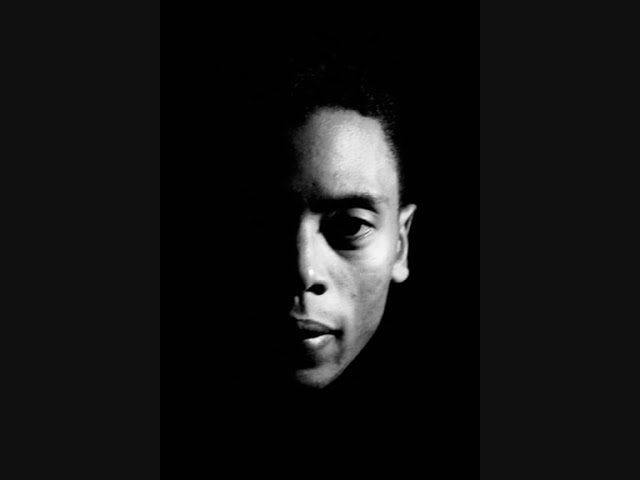
Jeff Mills has contributed to the development of techno music from various positions, including composer and producer.
Many people may know him from his work scoring films or producing documentaries about techno.
His signature track is The Bells, released in 1996.
Centered around synthesizers, it’s a brisk piece of music that also evokes a peculiar sense of urgency.
It’s a great recommendation as background music for getting work done!
SharevariA Number of Names
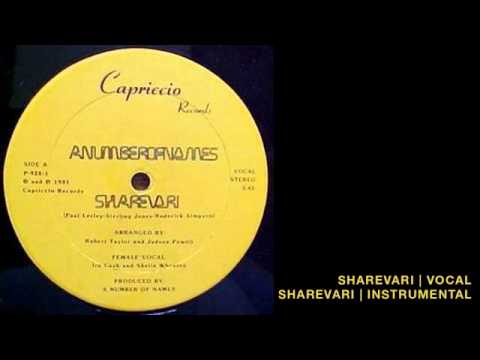
Although techno music is often perceived as being produced by individuals, there are in fact cases where tracks are created by groups.
A representative example is A Number of Names.
They were a techno music group that left their mark on music history despite being active for only a single year.
Their signature track is “Sharevari 12.” Its distinctive, catchy sound and vocals are guaranteed to stick in your head! By the way, only 500 copies of the record were initially pressed, but due to its popularity, more were produced later.
Why Do U FeelMoodymann

Dance music often features upbeat tempos.
But sometimes you might be in the mood for something with a more mature vibe.
That’s when “Why Do U Feel” is just right.
It’s a track where a subdued sound and a female singer’s lustrous voice blend perfectly.
The creator is Moodymann, a globe-trotting DJ.
With his history of releasing tracks across every taste, he’s crafted a piece that exudes the relaxed confidence of true sophistication.
Trance Patrol“Mad” Mike Banks

Mad Mike Banks started out as a guitarist but later switched to being a DJ.
In fact, he’s one of the founding members of Underground Resistance! His solo album “Happy Trax #1,” released in 1992, is highly regarded by techno music fans.
Among its tracks, “Trance Patrol” is especially popular—a song with a distinctly Latin vibe.
Overall, the album has a pop feel, making it a perfect companion for a drive.
The Final FrontierUnderground Resistance

Underground Resistance is an essential presence when discussing Detroit techno.
They are a music collective formed in 1989, known for embedding political and social messages in their music.
The early lineup of Underground Resistance featured numerous heavyweight DJs, including Jeff Mills.
Their seventh single, The Final Frontier, is a fully realized track that serves almost as a textbook example of Detroit techno.