

A quiz on how to read obscure kanji: words that become difficult when written in kanji.

In our daily lives, we encounter a wide range of kanji—from ones anyone can read to very difficult ones.
This time, we’re focusing on so-called “difficult-to-read kanji,” introducing them through a quiz.
You can use it as a quiz as-is, or as a way to spark interest in kanji—both are recommended.
It’s also interesting how something whose sound you know well can become tricky once it’s written in kanji.
- [Interesting] Summary of Kanji Reading Quiz Questions
- A quiz of interesting obscure kanji: characters that look easy but are hard to read
- The world’s toughest! A collection of insanely hard-to-read kanji
- How many can you read? A quiz on difficult kanji for foods
- [Hard-to-Read Quiz] Single-character difficult kanji — including surprisingly simple ones!
- One-character difficult kanji quiz: a multiple-choice (3 options) game to learn the readings of challenging kanji
- Obscure fish kanji. Can you read them?
- What animal is this kanji? A quiz on difficult animal kanji.
- Can You Read These? Quiz on Kanji with Many Strokes
- [For Elementary School Students] Country Names in Kanji Quiz. A quick, fun quiz
- Learn by Playing! Recommended Games with a Kanji Theme
- [Challenging] General Knowledge Quiz Compilation: Difficult and Interesting Multiple-Choice Questions (3 Options)
- A collection of challenging quizzes for adults [Difficult]
Quiz on readings of hard-to-read kanji. Difficult words when written in kanji (1–10)
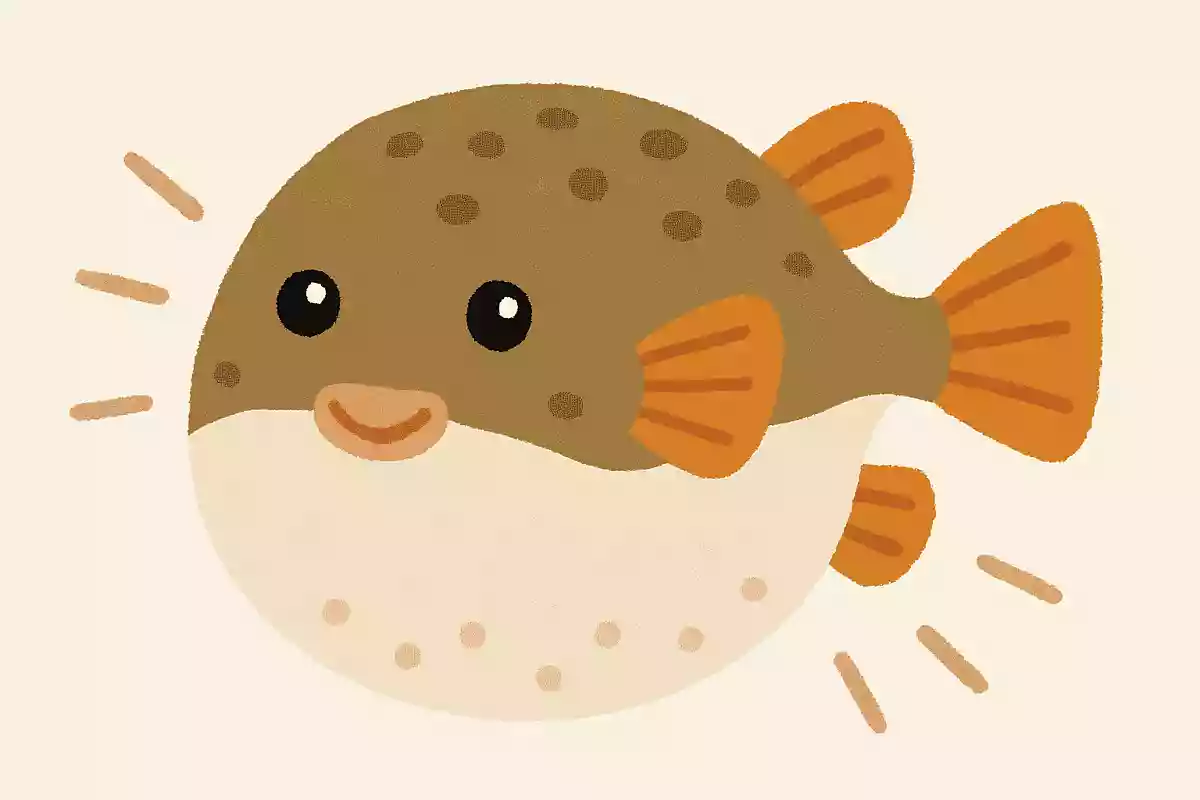
pufferfish
See the answer
pufferfish
“河豚” is read as “fugu.” Fugu is a popular marine creature known for various preparation methods such as sashimi, hot pot, and deep-frying. It is widely enjoyed as a winter delicacy in Japan, but because some types contain a potent toxin, specialized knowledge and certification are required to prepare it.

woodpecker

See the answer
woodpecker
The correct reading of 「啄木鳥」 is “kitsutsuki.” This kanji refers to a bird that pecks or strikes wood—in other words, a bird that drills holes in trees to prey on insects living inside. Although it’s a commonly known bird, there are quite a few people who don’t know how to read it. It is also one of the hard-to-read kanji when you look only at the characters.
scarecrow

See the answer
scarecrow
A kakashi is a human-shaped figure set up in fields and rice paddies to drive away pests such as birds and animals that damage crops. It is often made to resemble a person and has long been widely used as part of farming practices. With its clothing and the accessories it can be given, it also has an aspect of being a tool with artistic qualities.
Hard-to-read kanji reading quiz. Words that become difficult when written in kanji (11–20)
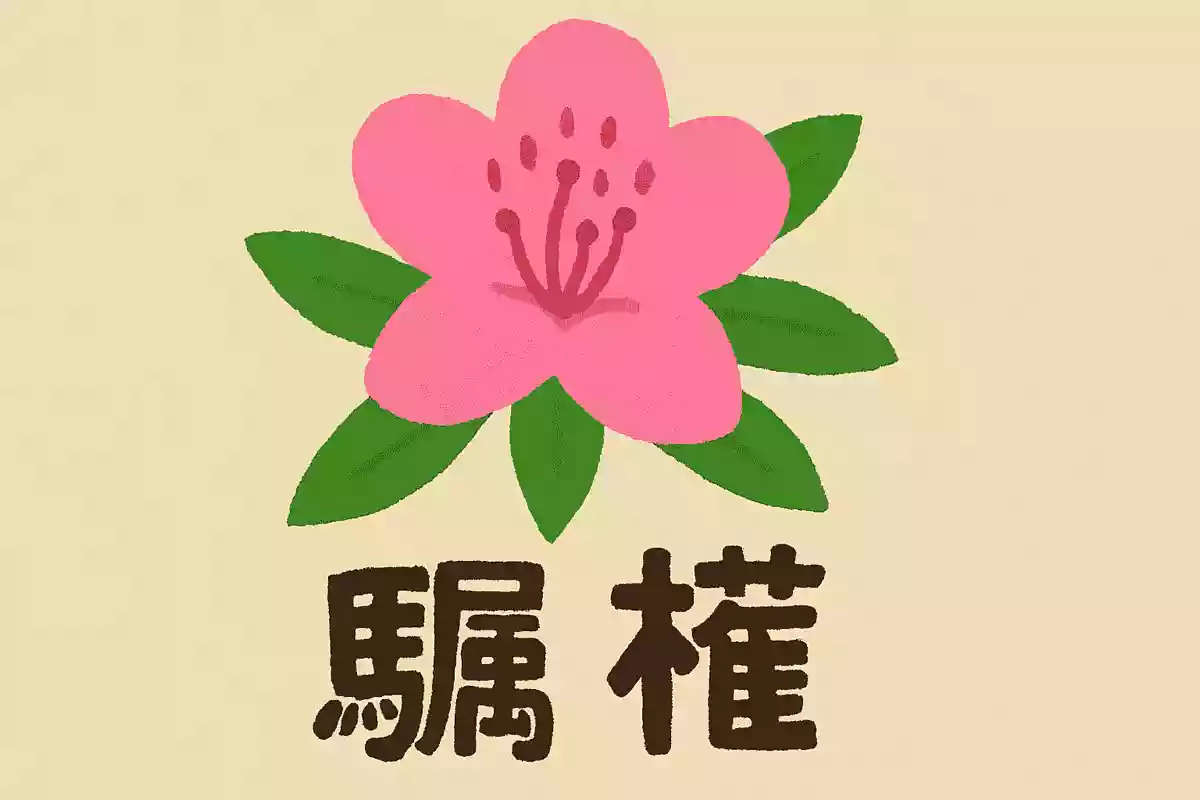
azalea
See the answer
azalea
The correct reading of the kanji 「躑躅」 is “tsutsuji.” It’s a plant that blooms with beautiful flowers in spring and has long been cherished in Japan’s nature and culture. Its flower meanings are said to be “moderation” and “modesty.” Remembering this can help you appreciate Japan’s nature and seasons.
cactus

See the answer
cactus
The correct reading of the kanji 仙人掌 is “saboten.” These characters were assigned because the plant looks like a sage (hermit) sitting down. Cacti are plants adapted to arid regions and exist in a wide range of varieties, from familiar to rare. Although the kanji alone may seem difficult to read, cacti are among the plants commonly appreciated in Japan.
sasanqua (Camellia sasanqua)

See the answer
sasanqua
The correct reading of 「山茶花」 is “sazanka.” This flower is known as a representative winter flower in Japan and blooms with beautiful pink, red, and white blossoms. Because it blooms particularly during the cold winter season, its vitality and beauty are highly regarded.
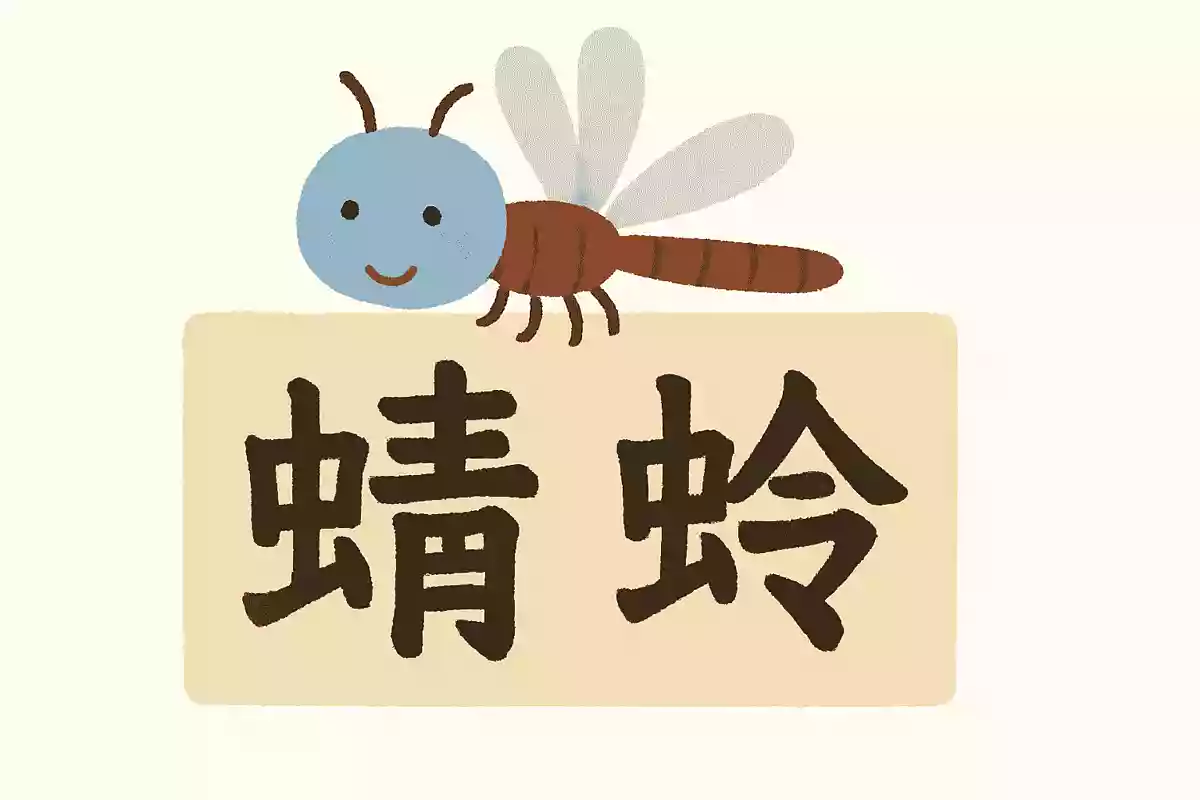
dragonfly
See the answer
dragonfly
The correct reading of 「蜻蛉」 is “tonbo.” In Japan, this character generally refers to a dragonfly and often appears in classical works as a word that conveys an elegant, refined impression. It is also said to have been well regarded among samurai and warriors, as there is a Japanese sword called “Tonbogiri.”