


A quiz on how to read obscure kanji: words that become difficult when written in kanji.

In our daily lives, we encounter a wide range of kanji—from ones anyone can read to very difficult ones.
This time, we’re focusing on so-called “difficult-to-read kanji,” introducing them through a quiz.
You can use it as a quiz as-is, or as a way to spark interest in kanji—both are recommended.
It’s also interesting how something whose sound you know well can become tricky once it’s written in kanji.
Quiz on readings of hard-to-read kanji. Difficult words when written in kanji (1–10)
skylark

See the answer
hibari (skylark)
The skylark is a type of bird that is often considered a symbol of spring in Japan. People have long observed it, and depending on the region it may be written with different characters, such as “告天子” or “天雀,” or called by different names. It is a bird that is loved throughout the country.

donkey

See the answer
donkey
The term “驢馬” refers to a donkey, a member of the equine family. Similar animals include the horse and the mule, a hybrid between a horse and a donkey, but donkeys differ from these and are particularly known for their load-bearing capacity and sturdiness. In Japan, they are commonly called “roba,” and because the reading of the kanji is not obvious, the word is known as a difficult-to-read kanji.
Yubaba
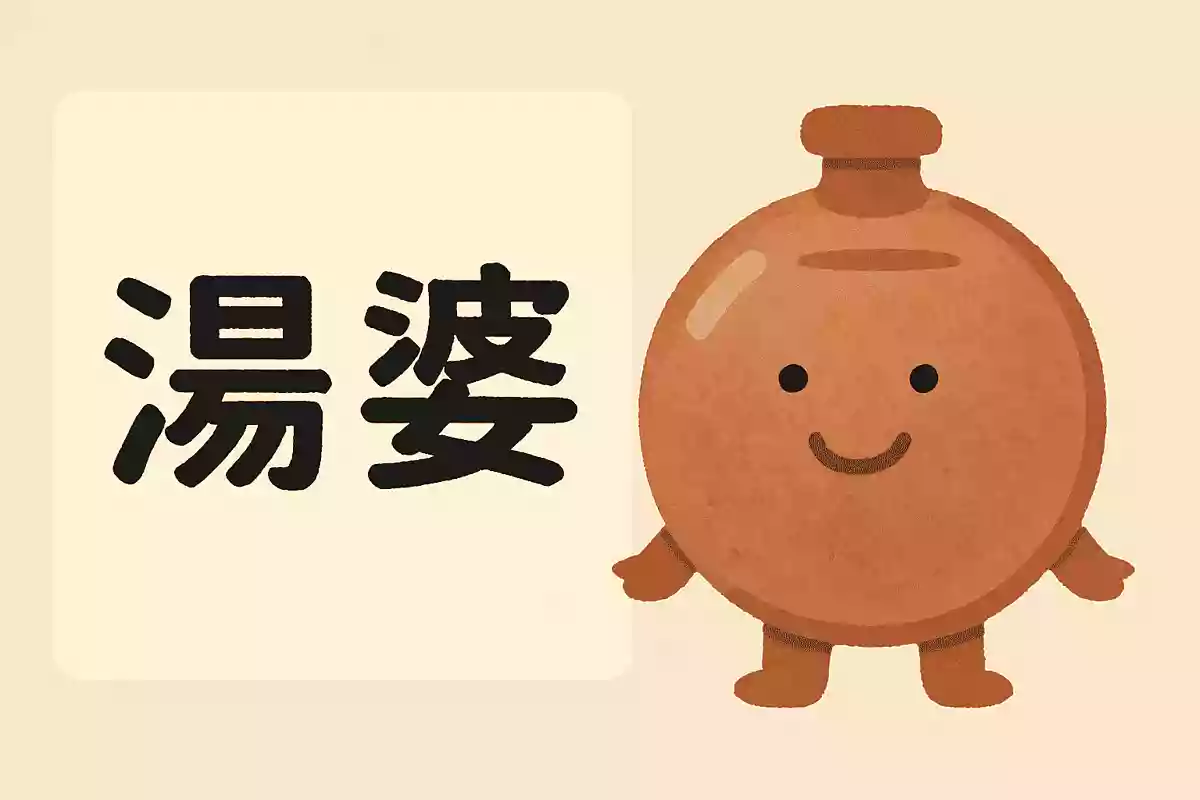
See the answer
hot water bottle
A “yutanpo” is a type of heat-retaining device that you fill with hot water and place, for example, inside your bedding to keep warm. The word comes from Chinese, and its characters convey the idea of a tool that gently warms you using hot water. It might sometimes be misread as “Yubaba,” the character from the film Spirited Away.
kotatsu

See the answer
kotatsu
"炬燵" is read as "kotatsu." It refers to a traditional Japanese heating apparatus in which a quilt or cover is draped over a hearth or heat source to keep warm. Typically, it takes the form of a table designed for users to place their legs underneath, with a tabletop set on top.
sukiyaki
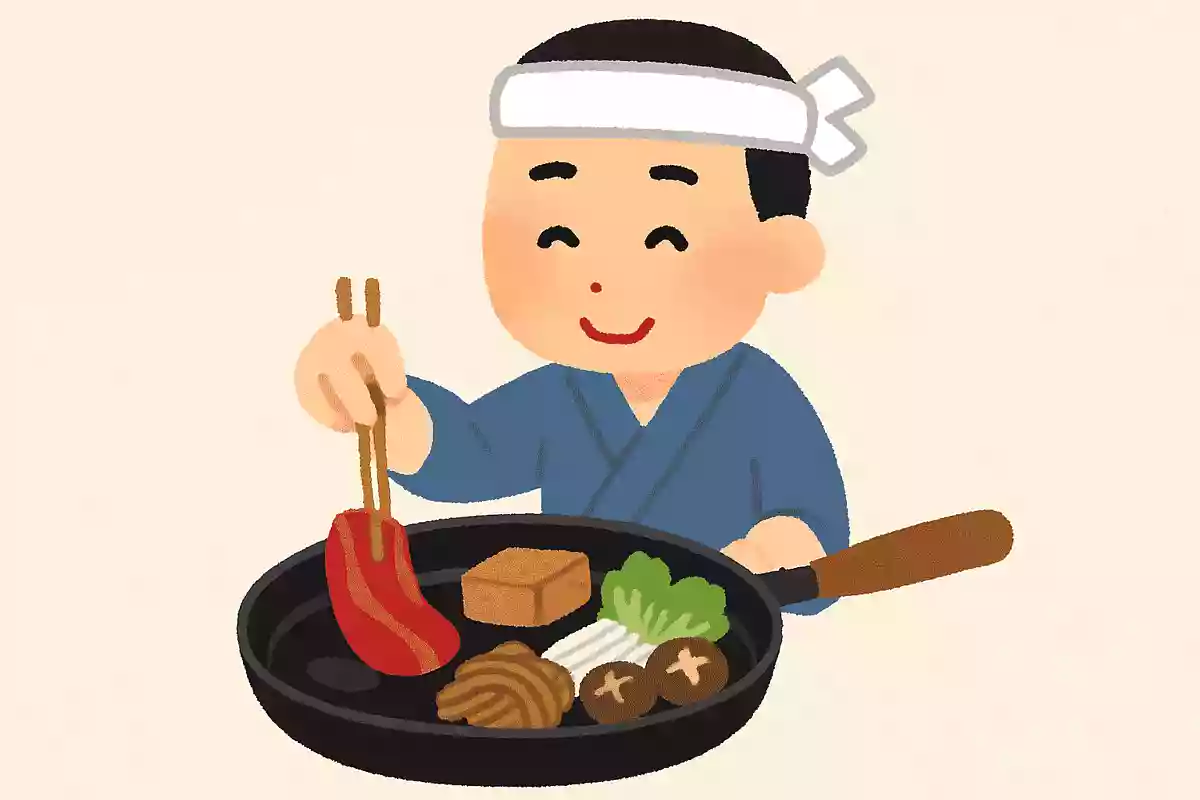
See the answer
sukiyaki
Sukiyaki is one of Japan’s traditional hot pot dishes, in which meat and vegetables are simmered in a sweet and savory soy sauce–based broth. The character 鋤 means a farming tool used for tilling soil and might evoke the iron griddle used for dishes like yakisoba, but in this case it is not read with its usual on-yomi; instead, “suki” is a special reading used as the name of the dish.
east wind
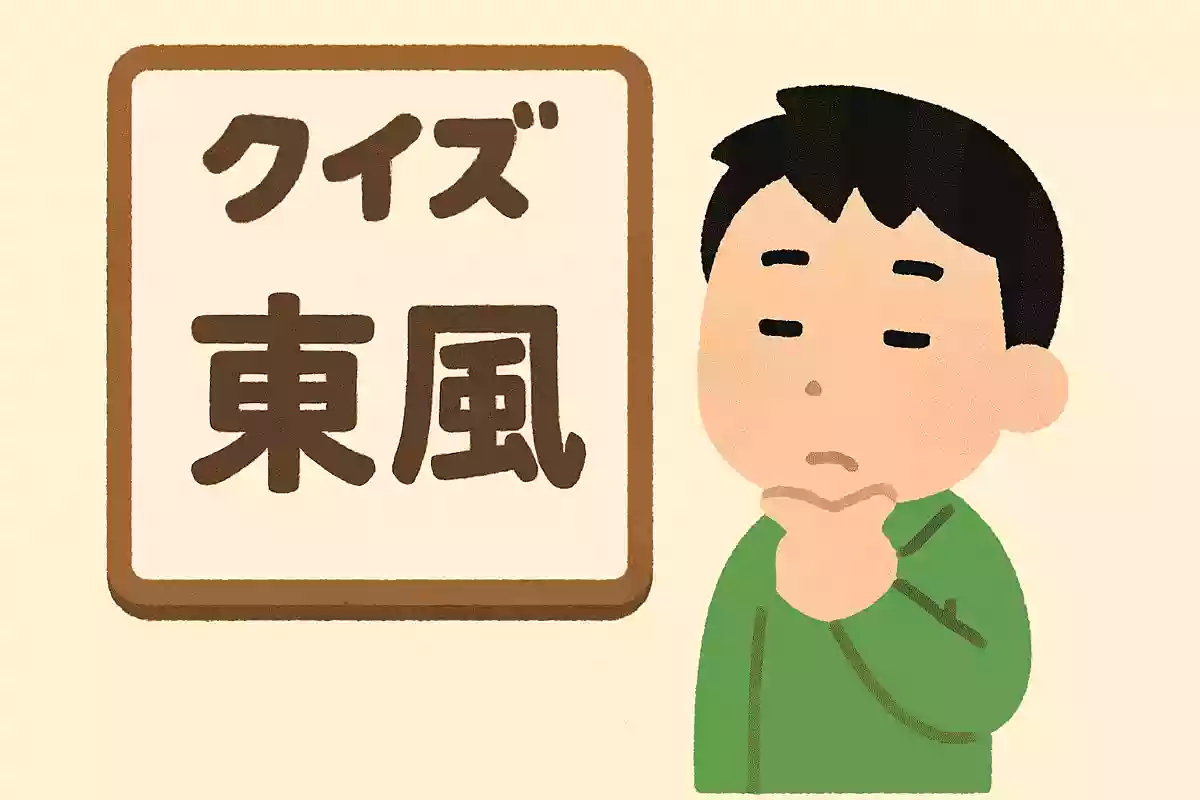
See the answer
Kochi
“東風” is read as “kochi.” It refers to a warm wind that blows in spring, specifically a wind coming from the east, as the characters suggest. Because this reading is a special one that comes from the combination rather than the individual characters, it’s a representative example of a kanji term with a hard-to-remember reading.
fig
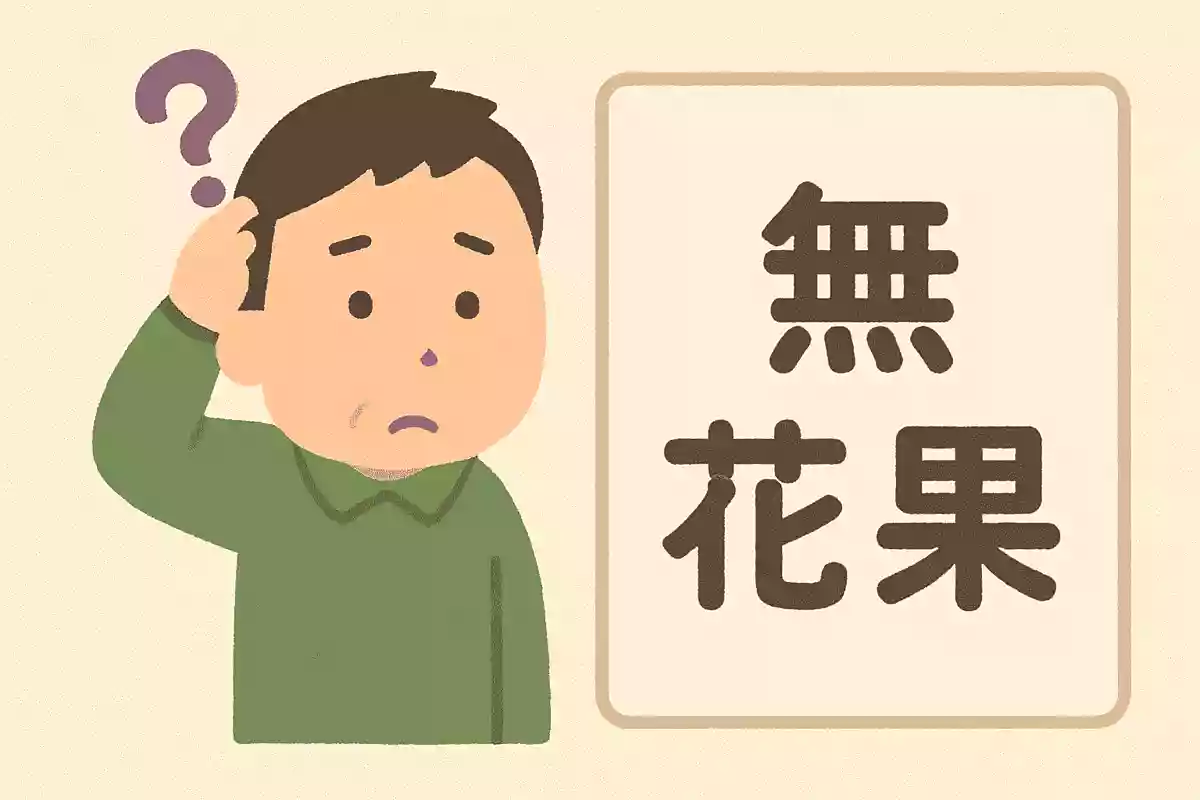
See the answer
fig
“無花果” is read as “ichijiku.” It’s a fruit said to have been introduced to Japan in the Edo period, known for its striking-looking flesh. Literally, the kanji mean “fruit without flowers,” but in reality it has tiny flowers inside that aren’t visible from the outside, which is why it’s written this way.