

Why Classic Disco Music Is Still Loved Today

The dazzling sound and uplifting beats that are hallmarks of disco music! Disco songs that have been loved across generations include countless classics everyone has heard at least once.
These irresistible tracks get your body moving the moment they play at parties or events.
This time, we’re introducing staple disco tunes from around the world that are sure to light up the dance floor.
You might even find a song that brings back memories!
- [Definitive Edition] Masterpieces of 70s Disco Music
- [Definitive Edition] Masterpieces and Hit Songs of 80s Disco
- Dance music from Western artists that was a hit in the 1970s. World-famous and popular songs.
- Legends of soul music: its history and allure revisited through classic songs
- Classic and hit Western pop songs from the 1970s
- [2026] Crowd-Pleasing Songs Recommended for People in Their 50s: A Collection of Nostalgic Classics
- [Western Music] Classic disco tracks that were hits in the ’90s
- Recommended Western dance music for beginners: world-famous classics and popular hits.
- Guaranteed to make you want to dance! Dance tracks that defined the Heisei era
- Club Hits: Dance music from Western artists that energized the dance floors in the 1980s
- Dance music in Japanese (J-pop) that people in their 50s used to listen to. Nostalgic classic hits.
- [Pinnacle of Disco] A quiz about Earth, Wind & Fire
- [Wamono] A roundup of popular 1970s Japanese dance songs and disco kayō
Reasons why classic disco music is still loved today (1–10)
The Second TimeKim Wilde

In the ’80s, she was even called the American Madonna vs.
Britain’s Kim, but her popularity gradually declined.
In ’86, however, she made a spectacular comeback to the forefront with the massive hit Keep Me Hanging On.
This track, like Keep Me ~, is a dance tune with pleasantly rich synth tones.
The sci-fi-style music video was also striking.
Boogie WonderlandEarth, Wind & Fire

It is a disco track released as a single in 1979 by the American R&B band Earth, Wind & Fire.
It became a hit around the world, reaching No.
1 on the Dutch charts.
It has been used in many forms of media, including the films Roller Boogie and Madagascar.
You Should Be DancingBee Gees
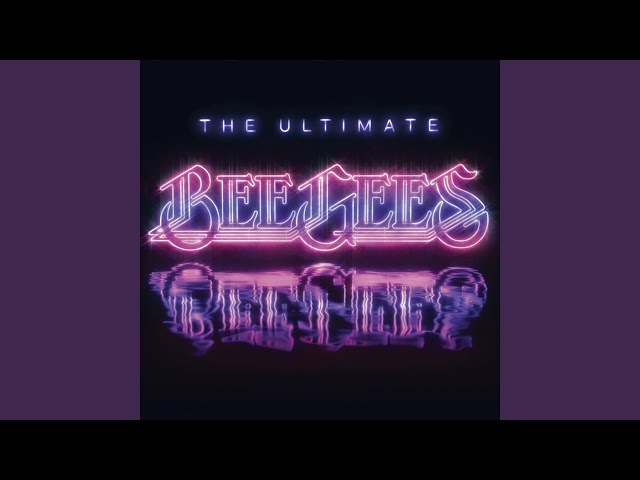
A powerful, dazzling disco number that makes you want to move your body without overthinking! This track by the British group the Bee Gees was released in July 1976 as the lead single from the album Children of the World.
It was the first time lead vocalist Barry Gibb fully showcased his falsetto, and its sound—where a funky bassline intertwines with horns—reportedly symbolized their shift toward a disco direction.
It was used in an iconic dance scene in the 1977 film Saturday Night Fever and became a worldwide smash hit.
Put it on at a party or event, and the whole floor is guaranteed to come alive! It’s a song that teaches you the pure joy of forgetting your worries and simply surrendering yourself to the music.
Reasons Why Classic Disco Music Is Still Loved Today (11–20)
Ai No CorridaQuincy Jones

With its passionate horn section and buoyant beat, this danceable track instantly transforms the atmosphere into something dazzling.
True to its theme of “The Love Bullfight,” said to be inspired by Japanese cinema, it paints the push-and-pull of romance and blazing adventures with a sophisticated sound.
The mastermind is the legendary American producer Quincy Jones.
Featured on the acclaimed 1981 album The Dude, released in March of that year, the piece earned high praise, including a Grammy Award.
A truly lavish number that brings together star musicians like Herbie Hancock! Put it on at a party or event, and it’s sure to get everyone moving across generations.
It might also be perfect for a night with a slightly grown-up vibe.
Street PlayerCHICAGO

Chicago’s “Street Player,” often heard in DJ sets and covers, has all the most satisfying elements of disco: a tightly chopped guitar riff and quick, driving beats.
The tonal palette and soaring vocals lend it a distinctly urban feel.
It’s an exceptional dance track you can lose yourself in.

Blue (Da Ba Dee)Eiffel 65

Eiffel 65, a dance music group representing Italy, made a particularly memorable mark with “Blue (Da Ba Dee),” one of their many hits.
Released in 1998, it achieved explosive popularity across Europe, topping the charts in France for three consecutive weeks in 1999.
Its simple yet catchy melody and refrain have endeared it to people of all ages, and it remains a staple at discos and parties today.
Even younger generations have likely heard it at least once.
I Will SurviveGloria Gaynor
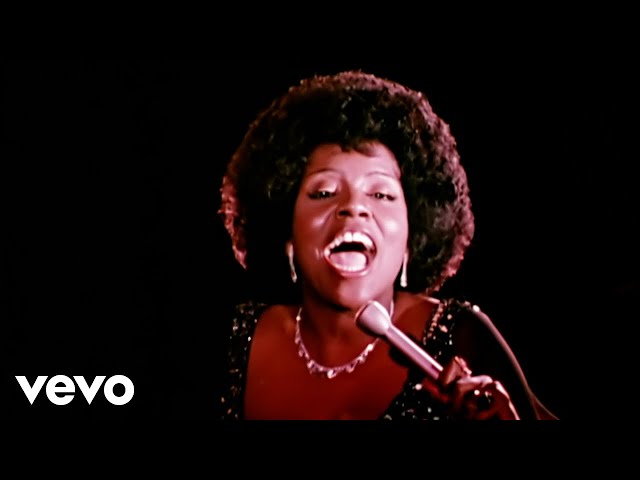
This is the signature song of American singer Gloria Gaynor, whose powerful recovery from heartbreak resonated with many.
Released as a single from the 1978 album “Love Tracks,” the track was initially a B-side, but thanks to strong support from DJs it was flipped to the A-side and went on to reach No.
1 on the U.S.
charts in 1979.
It is also well known for being used as a rallying song for the French national team during the 1998 FIFA World Cup.
The fact that Gaynor herself performed it while overcoming difficulties following surgery lends profound conviction to her voice, imbued with an indomitable spirit.
It’s a timeless anthem of encouragement that powerfully pushes listeners forward.