

Dance music in Japanese (J-pop) that people in their 50s used to listen to. Nostalgic classic hits.

Since the Reiwa era began, more and more dance-and-vocal artists have emerged, and their level has been rising, too.
Amid the boom in dance music, there are many pioneers—some of whom are still active today.
So this time, we’ll be introducing Japanese dance music that people in their 50s used to listen to!
We’ll be spotlighting nostalgic classics, so this is a must-see especially for those in their 50s.
I believe the music industry is a chain where new generations are inspired by these artists and are born from that admiration.
So I think young people interested in music and dance will also enjoy learning what kind of dance music defined this generation.
Let’s get started!
Japanese dance music that people in their 50s used to listen to. Nostalgic classics (1–10)
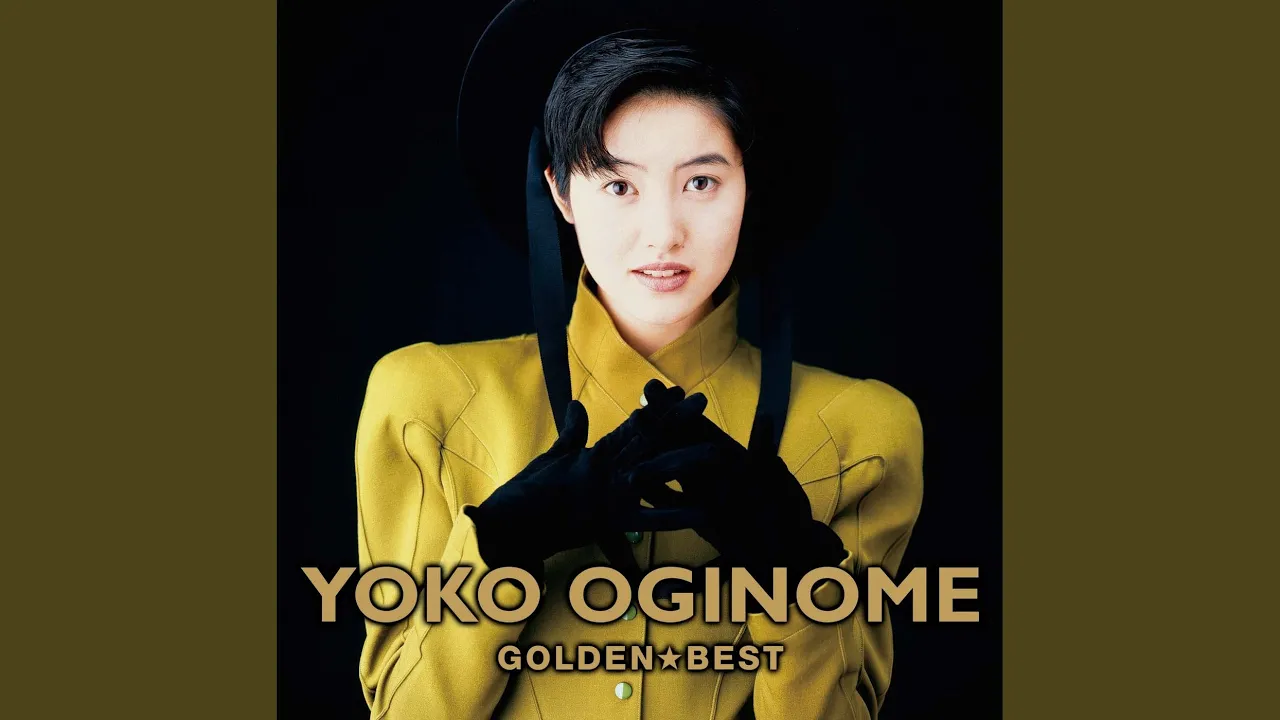
Dancing HeroOginome Yōko

This track evokes the disco scene of the 1980s.
It depicts a “Cinderella Boy” dancing the night away in a glittering city, dressed in outfits adorned with sequins and beads and wearing silver shoes.
The experience of a dreamlike night is rendered enchantingly alongside Yoko Oginome’s powerful vocals, captivating listeners.
Released in November 1985, the song became her first to enter the top 10 on the Oricon weekly chart.
It was a major hit, with cumulative sales of 700,000 copies.
It’s a song that makes you want to forget reality and surrender to the music on the dance floor.
Dance If You Want ItKubota Toshinobu

Released in 1988, this song encapsulates the appeal of Toshinobu Kubota.
Combining an energetic rhythm with a profound message, it calls for the liberation of mind and body through dance.
Included on the album “Such A Funky Thang!,” it became a major hit, reaching No.
1 on the Oricon album chart.
It was also featured in a commercial for the soft drink Mets, and the unconventional promotion left a strong impression.
Its funky, groovy sound showcases Kubota’s musicality and continues to be loved by many to this day.
Lonely Tropical FishWink

This is one of Wink’s signature songs, which gained popularity from the late 1980s to the 1990s.
The lyrics, expressing a bittersweet longing and a sense of loneliness, resonate over a beautiful melody.
Released on July 5, 1989, it debuted at No.
1 on the Oricon charts.
It was also used in a Panasonic headphone stereo commercial, leaving a deep impression on many listeners.
Along with their expressionless, cool performance, the song cemented Wink’s image of “not smiling, not talking.” It’s recommended for those troubled by love or for moments when you want to quietly soothe your heart.
Choo Choo TRAINZoo

Released in November 1991, ZOO’s track is a vibrant, energetic dance tune.
With the theme of “breaking free from everyday life,” it sings of setting off into a new world.
Used as the CM song for JR East’s JR Ski Ski campaign, it became a winter staple.
The song is bright, featuring a lively rhythm and catchy melody that energize listeners.
Even those who aren’t confident dancing might find their bodies moving naturally when they hear it.
Listen to it on the train after work or school, and it may soothe your tired heart.
Packed with the charm of ZOO, this piece continues to be loved by many to this day.
MasqueradeShonentai

Beginning with an innovative 5/4-time intro, this song portrays the true emotions lurking behind human relationships through the scene of a masquerade ball.
The repeated English phrases give it a powerful drive that awakens inner passion.
Released in December 1985, it marked the group’s first appearance at the 37th NHK Kōhaku Uta Gassen the following year.
The staging on the TV program “The Best Ten” also drew attention, proving the high caliber of the performance.
It’s a track distinguished by Shonentai’s sharp dance and acrobatic moves.
Into The NightNarita Masaru

This is a classic disco track by Masaru Narita.
Released in April 1987, it was also used in a Sea Breeze commercial.
The lyrics, which capture the sparkle of the bubble-era ’80s and the fun of nighttime, leave a strong impression.
It features a light, upbeat rhythm and a catchy melody, incorporating elements of Eurobeat.
For those who experienced the disco culture of the time, this song is sure to evoke nostalgia.
The Eurobeat vibe will have you moving before you know it.
It’s also recommended for anyone interested in ’80s music.
The heart won’t come back.Hayami Yū

The song from Yū Hayami’s fifth year after her debut is striking for its strength in trying to overcome the pain of a breakup.
It’s a kayōkyoku track infused with synth-pop elements that brightened Japan’s late-1980s music scene.
Released in March 1987, it also drew attention on the TBS music program “The Best Ten.” It’s a cover of a German female singer’s song, packed with the unique cosmopolitan charm that defines Yū Hayami.
With a rhythm and beat that make you want to dance, its performance aspect is also captivating.
It’s a warm song that gently encourages those trying to face forward while carrying the pain of heartbreak.