

Dance music in Japanese (J-pop) that people in their 50s used to listen to. Nostalgic classic hits.

Since the Reiwa era began, more and more dance-and-vocal artists have emerged, and their level has been rising, too.
Amid the boom in dance music, there are many pioneers—some of whom are still active today.
So this time, we’ll be introducing Japanese dance music that people in their 50s used to listen to!
We’ll be spotlighting nostalgic classics, so this is a must-see especially for those in their 50s.
I believe the music industry is a chain where new generations are inspired by these artists and are born from that admiration.
So I think young people interested in music and dance will also enjoy learning what kind of dance music defined this generation.
Let’s get started!
- [2026] Crowd-Pleasing Songs Recommended for People in Their 50s: A Collection of Nostalgic Classics
- Revival among the youth? Japanese dance music that was a hit in the 1980s. Showa-era dance tracks.
- Popular Japanese songs among women in their 50s: recommended classics and staple tracks
- Dance music that was popular among Gen Z. A song that went viral.
- [Nostalgic Hits] Japanese dance music that resonates with people in their 40s.
- [For hobbies and building strength] Dance songs recommended for people in their 60s. Dance for fun and stay healthy!
- For seniors in their 80s: Stay healthy while having fun. Introducing dance songs that make you want to move!
- [Nostalgic hits] Dance music that resonates with people in their 30s. Popular dance tracks.
- Uplifting songs recommended for people in their 60s: classic and popular Japanese hits
- Good songs recommended for people in their 50s: classic and popular J-pop tracks.
- Dance music recommended by dancers for people in their 20s: A collection of popular tracks
- Energizing songs recommended for women in their 50s
- Cheer-up songs recommended for people in their 50s: classic and popular Japanese hits
Japanese dance music that people in their 50s used to listen to. Nostalgic classics (1–10)
VenusNagayama Yōko

A quintessential Japanese dance music track released in 1986.
Its lyrics, portraying the charm and strength of a woman who calls herself the goddess of love, leave a vivid impression set to a glamorous Eurobeat rhythm.
It was also used as an insert song in the film “Don’t Mess with My Woman,” reached No.
10 on the Oricon chart, and sold over 160,000 copies.
For Yoko Nagayama, it’s an unforgettable song and a turning point in her career.
A must-have track for nighttime drives and livening up parties.
EZ DO DANCETRF

This is a masterpiece produced by Tetsuya Komuro.
Released in June 1993, it became a major hit, peaking at No.
15 on the Oricon chart.
The lyrics, which depict people seeking freedom through dance, perfectly capture the spirit of the era.
Set against the backdrop of the nighttime city, it portrays young people dancing with friends and discovering their true, unpretentious selves—you can almost see the scenes unfold.
Its energetic rhythm is irresistibly catchy, making your body move before you know it.
It’s a perfect track not only for dance lovers but also for anyone looking to refresh their mood.
The True Face of the StormKudō Shizuka

This song was released in May 1989.
It’s a danceable rock number with a funk-infused sound that became a hot topic as many celebrities performed its choreography on TV shows.
The lyrics express inner conflict and emotional turmoil, conveying a complex mix of strength and vulnerability, as well as hope for new love—resonating deeply with listeners.
This track is one of Shizuka Kudo’s signature songs and is included on albums such as HARVEST and unlimited.
It’s a perfect song for those who have experienced heartbreak or loneliness.
The hand movements near the face in the dance are especially eye-catching, aren’t they?
Dance music in Japanese that people in their 50s used to listen to. Nostalgic classics (11–20)
YA YA YAZoo
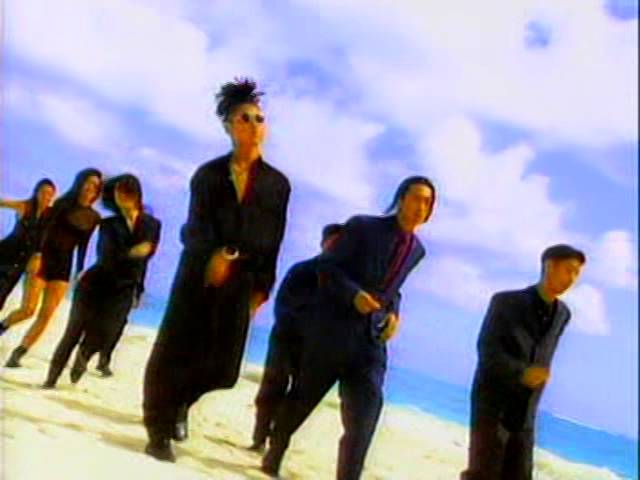
This is a signature song by ZOO, a dance and vocal group that epitomized the 1990s.
Also selected as the campaign song for JR East’s “ski ski,” the track features a catchy melody and upbeat rhythm.
Its lyrics, packed with positivity and an infectious groove, lift listeners’ spirits.
Released in October 1992, it reached No.
5 on the Oricon Weekly Singles Chart.
Brimming with ZOO’s charm, this song pairs an era-appropriate danceable sound with outstanding dance performance.
CRAZY GONNA CRAZYTRF

This song weaves together an energetic dance beat with a bittersweet love story.
Vivid imagery of nightscapes, snow, and stars is woven throughout, celebrating the preciousness of special moments spent together.
Released in March 1995, it reached No.
1 on the Oricon charts.
It was also used as a TV show theme song, leaving a lasting impression on many listeners.
With various remix versions included, it captivates dance music fans.
It’s the perfect track for a nighttime drive with your partner or for making memories with someone special.
Be sure to listen to this classic packed with TRF’s charm.
I’m feeling awesome!m.c.A・T

This song by m.c.A•T is a bright track that captures the exhilaration of the club and the anticipation of romance.
It features an uptempo rhythm and catchy melodies that lift the listener’s spirits.
Released in September 1995, it was included on the album “Fight 4 da Future.” It’s recommended for those who want to break free from everyday stress or are seeking new encounters.
Through meetings on the dance floor, the song encourages listeners to reflect on their way of life, leaving them with a positive feeling.
It also works perfectly as dance music and later drew attention when DA PUMP covered it.
Before anything else, from atop the roadIsseifubi Sepia

The songs by Ichiya Fūbi Sepia, who debuted in 1984, brought a fresh breeze to the music scene of the time.
With lyrics likened to the life of a flower, they express the transience and beauty of life, resonating deeply with listeners.
Their works, marked by a distinctive style and philosophy, invite reflection on harmony with nature and the meaning of life.
This piece, in particular, serves as a true guidepost for life, teaching the importance of growing through adversity.
Their performances, evocative of traditional Japanese aesthetics, feature dance with arrangements reminiscent of Nihon-buyo, which adds to their appeal.
Give it a listen when you feel lost in life or are standing on the verge of a new challenge.