


This is a collection of classic songs by Dschinghis Khan, a West German artist group formed in 1979.
Many people probably danced to these at campfires when they were kids.
They also became popular on the internet for their “misheard lyrics.”
We’ve gathered everything from famous hits to tracks for hardcore fans, so give them a listen.
- Genghis Khan Popular Song Ranking [2026]
- Famous German Folk Songs | That familiar tune in Japan was actually a German folk song?!
- [2026] A roundup of popular Japanese hard rock bands, including those famous overseas
- Famous and Popular Songs by the Bee Gees
- A special feature on classic and hit songs by bands that were active in the 1980s
- 1980s: Legendary Western Rock Bands’ Classic and Hit Songs
- Masterpieces and popular songs by Pink Floyd
- Masterpieces of German metal: A roundup of popular songs recommended for beginners [2026]
- Get in the Groove with Classic Albums: The World's Eurobeat – Recommended Popular Tracks
- [2026] Recommended German Artists Summary
- [For Beginners] A Collection of Iconic and Popular Songs Showcasing the Appeal of Viking Metal
- Kraftwerk Popular Song Ranking [2026]
- Village People Popular Song Ranking [2026]
Genghis Khan’s Classic and Popular Songs (1–10)
Komm doch heim (Come home)Genghis Khan
This song, titled “Come Home” in Japanese, sings of praying for the safety of a lover who has set out on a journey and the loneliness of being left behind.
While she consoles herself—telling herself it can’t be helped because he’s a fighter—she still can’t bear the overflowing loneliness, and that aching sorrow is reflected in the melody.
Genghis Khan (also refers to a Japanese grilled mutton dish called ‘Jingisukan’)Genghis Khan

Released in 1979, the song gained popularity for its comical, catchy melody and unforgettable, impactful costumes and choreography.
It also had a major influence on Japan’s disco and dance scenes and has been covered by various artists.
Hadschi Halef OmarGenghis Khan

An up-tempo dance number included on the 2005 release “Best of Dschinghis Khan.” Its Japanese title is “Hatchi Daisakusen” (“Hatch’s Grand Operation”), and Hatch is the name of the protagonist from a German children’s adventure novel.
The rhythm-driven adventure set in the desert is truly thrilling.
Aim for MoscowGenghis Khan

This is a song that enjoyed immense popularity in online communities in the early 2000s.
A craze sparked by mondegreens—people finding humor in a completely unfamiliar language—took off, and when video-sharing sites became popular in the late 2000s, it drew attention again through “I tried dancing” videos that imitated its comical and peculiar choreography.
Kaptain NemoGenghis Khan

This number is based on a science fiction adventure novel published in 1870 by Jules Verne.
It was adapted into a film by Walt Disney in 1954 and is also popular as a Disneyland attraction.
You can enjoy a sense of exhilaration that feels like steadily pressing forward.
SamuraiGenghis Khan
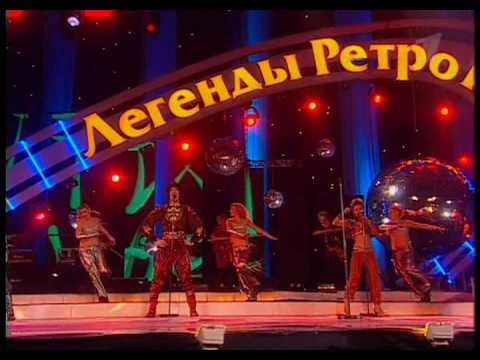
There’s a song by Dschinghis Khan that’s about Japan! It’s called “Samurai”! It’s one of the tracks on their album released in 1979.
The word “Samurai” is repeated over and over, and it says the samurai always fights alone, is loyal, knows no pain, and doesn’t show sorrow…
It’s the kind of song that, when a Japanese person hears it, they can’t help but be moved and think, “Who wrote such lyrics?!”
Rockin son of Dschinghis KhanGenghis Khan

The Japanese title “Son of Genghis Khan” is themed around Genghis Khan’s actual son.
It introduces the son—who’s a rock ’n’ roller and a drummer like Ringo Starr—at a lively tempo.
It’s an entertaining track featuring a playful interplay between Cossack dance and rock ’n’ roll.